Zinnia
Zinnia elegans
Annuals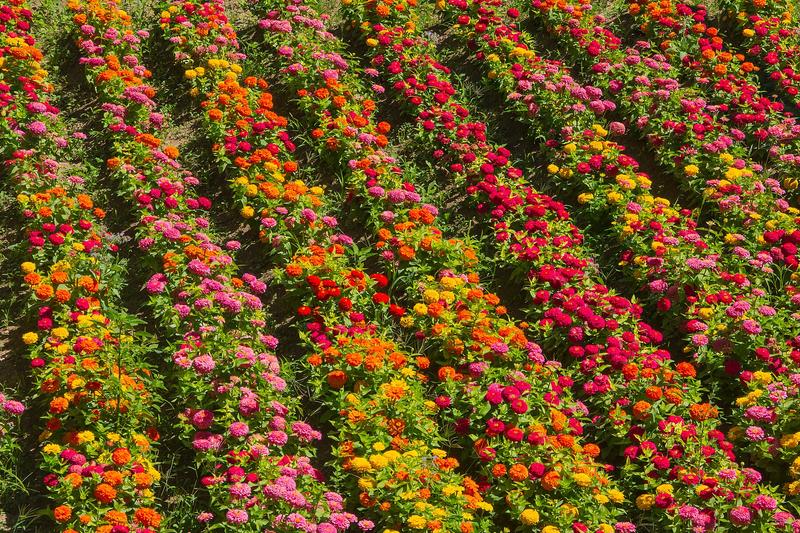
Quick facts
- Watering
- Weekly, more in hot weather
- Sunlight
- Full sun
- Soil
- Well-drained, moderately fertile
- Humans
- Safe
- Cats
- Safe
- Dogs
- Safe
- Height
- 30–90 cm
- Spread
- 20–40 cm
- Spacing
- 20–30 cm apart
- RHS recognition
- Award of Garden Merit
About Zinnia
Zinnia is a vibrant half-hardy annual native to Mexico, prized for its bold, daisy-like flowers in nearly every colour except blue. Growing 30–90 cm tall depending on variety, zinnias produce long-lasting blooms from midsummer until the first frosts, making them invaluable for cutting gardens and pollinator-friendly borders. UK gardeners value them for their heat tolerance, ease of cultivation, and ability to provide continuous colour throughout the British summer when many perennials have finished their first flush.
UK fact: Several zinnia cultivars have received the RHS Award of Garden Merit, including 'Envy' with its unusual lime-green flowers and 'Profusion Orange', which performs particularly well in British summers and shows excellent resistance to powdery mildew.
Watering Zinnia
Zinnias are moderately drought-tolerant once established but flower most prolifically with consistent moisture during the growing season. Water at the base of plants in the morning to keep foliage dry, as wet leaves encourage powdery mildew, a common problem in humid British summers. During hot, dry spells in July and August, increase watering to twice weekly, providing approximately 2.5 cm of water per session. Avoid overhead watering and ensure good air circulation between plants to minimise fungal issues.
Sunlight requirements
Position zinnias in the sunniest spot available, ideally south or west-facing borders where they'll receive maximum light throughout the British summer. In shadier positions, plants become leggy, produce fewer flowers, and are more susceptible to powdery mildew. Sheltered sunny spots are ideal, as strong winds can damage the hollow stems of taller varieties.
Soil and feeding
Prepare beds by incorporating well-rotted compost or garden manure to improve drainage and structure, particularly important in heavy clay soils common across much of the UK. Zinnias prefer a pH between 6.0 and 7.5 and perform well in most British garden soils provided drainage is adequate. Avoid overly rich soil, which promotes lush foliage at the expense of flowers. In containers, use a quality multipurpose compost with added grit or perlite for improved drainage.
Begin feeding established plants in early July with a tomato fertiliser or balanced liquid feed diluted to half strength every two weeks. This encourages prolific flowering without promoting excessive leafy growth. Cease feeding by late September as plants naturally decline with cooler temperatures and shorter days.
Pruning Zinnia
Remove faded flowers every few days by cutting stems back to just above a leaf node or side shoot, which encourages branching and more blooms. Pinch out the growing tips of young plants when they reach 15–20 cm tall to promote bushier growth and prevent legginess. Taller varieties may benefit from disbudding to produce larger exhibition-quality flowers. Remove entire plants after the first hard frost in autumn, composting disease-free material.
Propagating Zinnia
Sow seeds under cover in early to mid-April for earlier flowering, or direct sow outdoors from late May once soil has warmed and all risk of frost has passed. Zinnia seeds germinate quickly in warm conditions, typically within 5–7 days at 21–24°C. Seedlings dislike root disturbance, so sow in modules or biodegradable pots that can be planted out whole. Harden off indoor-raised plants gradually over 7–10 days before planting out in early June.
Common problems
Powdery mildew is the most common problem affecting zinnias in the UK, particularly during humid summers, appearing as white powdery patches on leaves and stems. Ensure adequate spacing, avoid overhead watering, and remove affected foliage promptly; resistant varieties like 'Profusion' series are recommended. Slugs and snails can damage young plants in spring, so protect seedlings with organic slug pellets or copper barriers. Aphids occasionally colonise new growth and flower buds; control with insecticidal soap or by encouraging natural predators such as ladybirds and hoverflies.
Spot a problem with your plant? Photograph the affected area using the Loam app and it will suggest the most likely cause and treatment.
Safety
- Humans
- Safe
- Cats
- Safe
- Dogs
- Safe
Toxicity information is for general guidance only.
Seasonal care calendar
Monthly care guide for Zinnia in the UK, based on average conditions.
| Month | Care tasks |
|---|---|
| January | No action needed. Order seeds from catalogues for spring sowing. |
| February | No action needed. Prepare seed-sowing equipment and compost ready for April. |
| March | Prepare outdoor beds by incorporating compost and removing weeds, ready for May planting. |
| April | Sow seeds indoors in modules from early April. Maintain at 21–24°C for germination. |
| May | Grow on seedlings in cooler conditions. Begin hardening off from late May. Direct sow outdoors after last frost. |
| June | Plant out hardened-off seedlings in early June. Water regularly and pinch out growing tips to encourage bushiness. |
| July | Deadhead regularly to prolong flowering. Begin fortnightly feeding. Water during dry spells. Watch for powdery mildew. |
| August | Continue deadheading and feeding. Maintain watering during hot weather. Collect seeds from favourite varieties if desired. |
| September | Continue deadheading. Reduce feeding towards month end. Enjoy late-season blooms and collect ripe seed heads. |
| October | Remove plants after first hard frost. Compost disease-free material. Store collected seeds in cool, dry conditions. |
| November | No action needed. Clear any remaining plant debris from beds. |
| December | No action needed. Plan next year's colour schemes and order seeds. |
Frequently asked questions
- How do I deadhead zinnias properly?
- Cut spent blooms back to just above the next set of leaves or side shoot using clean, sharp secateurs. Deadhead every few days throughout summer to prevent seed formation and encourage continuous flowering into early autumn. Remove the entire flower stem rather than just the flower head for a tidier appearance and to promote more blooms.
- Why are my zinnia leaves turning yellow and dropping off?
- Yellowing and leaf drop can result from several issues including overwatering, underwatering, nutrient deficiency, or fungal disease. Check soil moisture levels—zinnias prefer consistently moist but well-drained soil. The Loam app can help diagnose the specific cause by analysing photos of your plant and tracking your watering schedule to provide personalised care recommendations.
- What type of soil do zinnias need?
- Zinnias thrive in fertile, well-drained soil with a neutral to slightly alkaline pH (6.5–7.5). Before planting, incorporate well-rotted compost or manure to improve soil structure and fertility. Avoid heavy clay that retains water, as this can lead to root rot. In containers, use a quality multipurpose compost mixed with horticultural grit for improved drainage.
Got a question about growing Zinnia that isn't covered here? Ask the Garden Advisor in the Loam app. It knows your saved plants and local conditions.
Related plants
This page was compiled with AI assistance and reviewed by our team. .