Sunflower
Helianthus annuus
Annuals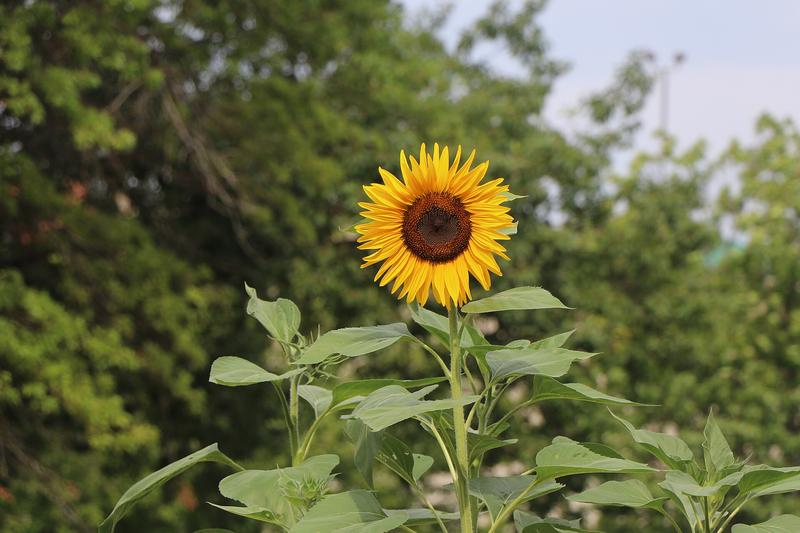
Quick facts
- Watering
- Weekly, more in hot weather
- Sunlight
- Full sun
- Soil
- Well-drained, moderately fertile
- Humans
- Safe
- Cats
- Safe
- Dogs
- Safe
- Height
- 30–400 cm
- Spread
- 30–60 cm
- Spacing
- 30–45 cm apart
About Sunflower
Sunflowers are iconic summer annuals native to North America, renowned for their large, cheerful yellow blooms that can reach impressive heights. British gardeners prize them for their rapid growth, ability to attract pollinators, and their edible seeds which provide autumn food for birds. From dwarf varieties perfect for containers to towering giants exceeding 3 metres, sunflowers bring bold architectural interest to UK borders and allotments. Their sunny disposition and ease of cultivation make them ideal for children's gardens and first-time growers.
UK fact: Sunflowers became hugely popular in Victorian Britain after being introduced from the Americas, with the aesthetic movement adopting them as a symbol of beauty. Oscar Wilde famously wore a sunflower in his buttonhole, cementing the flower's place in British cultural history.
Watering Sunflower
Sunflowers develop deep taproots and are relatively drought-tolerant once established, but consistent moisture produces the best results. Water at the base of plants rather than overhead to prevent fungal diseases, particularly important in the UK's humid summers. Young plants and those in containers require more frequent watering, potentially daily during July and August heatwaves. Reduce watering as flowers fade and seeds mature in late summer.
Sunlight requirements
Position sunflowers in the sunniest spot available, ideally south or west-facing in UK gardens. They exhibit strong heliotropism when young, tracking the sun across the sky, so avoid shaded positions which result in weak, leggy growth. In exposed northern gardens, plant taller varieties near walls or fences for wind protection whilst maintaining full sun exposure.
Soil and feeding
These adaptable plants grow in most UK soils provided drainage is adequate, performing well in anything from sandy loam to clay. A neutral to slightly alkaline pH of 6.0-7.5 is ideal, though they tolerate a broader range. Avoid over-enriching soil with nitrogen-rich fertilisers, which promote leafy growth at the expense of flowers and can cause weak stems prone to wind damage. On heavy clay, incorporate organic matter or grit to improve drainage before sowing.
Sunflowers are not heavy feeders and excessive fertilisation causes problems. A light application of general-purpose fertiliser at planting time provides sufficient nutrients for most varieties. Once buds form in mid-summer, a fortnightly feed with tomato fertiliser (high in potassium) encourages larger flower heads and stronger colours, particularly beneficial for exhibition varieties.
Pruning Sunflower
Single-stemmed varieties produce one large flower head and require no pruning beyond removing the spent bloom once seeds mature. Branching varieties benefit from deadheading to encourage continued flowering through August and September. Pinch out the growing tip when plants reach 30cm tall to promote bushier growth with multiple flower heads. Leave final flower heads in place from September onwards to provide valuable seed for goldfinches and other garden birds through autumn and winter.
Propagating Sunflower
Direct sowing is the most reliable method as sunflowers dislike root disturbance. Sow seeds outdoors from mid-April in southern England or early May in northern regions once soil has warmed and frost risk has passed. For earlier flowering, sow indoors in individual 7.5cm pots during March, maintaining temperatures of 18-21°C for germination within 7-14 days. Transplant seedlings carefully before roots become pot-bound, typically 3-4 weeks after sowing, hardening off gradually before planting out after the last frosts.
Common problems
Slugs and snails are the primary threat to young sunflower seedlings in UK gardens, capable of destroying entire sowings overnight in damp conditions. Powdery mildew can affect leaves during humid summers, particularly on plants stressed by drought or overcrowding, though it rarely impacts flowering. Aphids occasionally colonise stems and buds in July and August, attracting beneficial insects but potentially weakening plants if infestations are severe. Birds, particularly sparrows and pigeons, may damage developing flower buds and will certainly feast on ripening seeds in autumn unless heads are protected with netting.
Spot a problem with your plant? Photograph the affected area using the Loam app and it will suggest the most likely cause and treatment.
Safety
- Humans
- Safe
- Cats
- Safe
- Dogs
- Safe
Toxicity information is for general guidance only.
Seasonal care calendar
Monthly care guide for Sunflower in the UK, based on average conditions.
| Month | Care tasks |
|---|---|
| January | No action needed. Plan varieties and order seeds for spring sowing. |
| February | Prepare planting sites by incorporating organic matter if needed. Order seeds if not already done. |
| March | Sow seeds indoors in individual pots for earlier flowering. Maintain at 18-21°C for germination. |
| April | Sow seeds directly outdoors from mid-month in southern regions. Continue indoor sowings for succession. Protect from slugs. |
| May | Sow outdoors in northern areas. Harden off and transplant indoor-raised seedlings after last frosts. Thin direct-sown seedlings to final spacing. |
| June | Final sowings for late summer flowers. Water regularly during dry spells. Stake tall varieties as they grow. Watch for aphids. |
| July | Water deeply during hot weather. Begin fortnightly feeding as buds form. Stake tall varieties securely. Deadhead branching types. |
| August | Continue watering and feeding. Enjoy peak flowering. Deadhead for prolonged blooms or leave for seed development. Monitor for powdery mildew. |
| September | Reduce watering as flowers fade. Leave final flower heads for birds or harvest seeds when backs turn brown and dry. |
| October | Harvest remaining seeds. Cut down spent plants and compost healthy material. Remove any diseased foliage. |
| November | Clear remaining plant debris. Leave a few seed heads standing for overwintering birds if desired. |
| December | No action needed. Review the season and plan next year's varieties. |
Frequently asked questions
- When should I sow sunflower seeds outdoors in the UK?
- Sow outdoors from mid-April in southern England or early May in northern regions, once soil has warmed and frost risk has passed. Soil temperature should be at least 10°C for reliable germination.
- Why are my sunflower leaves turning yellow?
- Yellowing leaves can indicate several issues: overwatering causing root problems, nutrient deficiencies (especially nitrogen or iron), or pest damage. Check soil moisture and examine leaves for signs of aphids or other insects. The Loam app can help diagnose the specific cause by analysing photos of your plant and provide personalised care recommendations based on your growing conditions.
- How do I save sunflower seeds for planting next year?
- Allow flower heads to mature fully on the plant until the back turns brown. Cut heads with 30cm of stem, hang upside down in a dry, well-ventilated space, then rub out seeds when completely dry. Store in paper envelopes in a cool, dry place.
Got a question about growing Sunflower that isn't covered here? Ask the Garden Advisor in the Loam app. It knows your saved plants and local conditions.
Related plants
This page was compiled with AI assistance and reviewed by our team. .