Cosmos
Cosmos bipinnatus
Annuals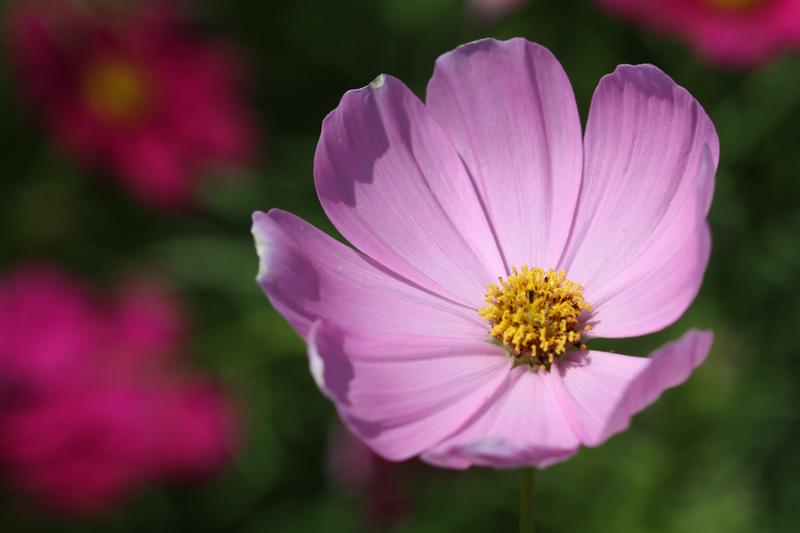
Quick facts
- Watering
- Weekly once established
- Sunlight
- Full sun
- Soil
- Well-drained, moderately fertile
- Humans
- Safe
- Cats
- Safe
- Dogs
- Safe
- Height
- 60–150 cm
- Spread
- 30–45 cm
- Spacing
- 30–45 cm apart
- RHS recognition
- Award of Garden Merit
About Cosmos
Cosmos are graceful half-hardy annuals beloved by UK gardeners for their delicate, daisy-like flowers in shades of pink, white, and crimson, held on tall, airy stems above feathery foliage. Native to Mexico, they thrive in British summers and flower prolifically from June until the first frosts. Their long flowering season, ease of cultivation, and exceptional value as cut flowers make them a cottage garden staple. Cosmos are also superb pollinator plants, attracting bees, butterflies, and hoverflies throughout the summer months.
UK fact: Several Cosmos bipinnatus cultivars hold the RHS Award of Garden Merit, including 'Purity' (white), 'Sonata Pink' (compact pink), and 'Dazzler' (crimson), recognising their reliable performance in British gardens.
Watering Cosmos
Water newly planted cosmos regularly until established, then reduce frequency considerably. Established plants require watering only during prolonged dry spells, typically once weekly in hot weather. Overwatering encourages lush foliage at the expense of flowers and can lead to root rot in heavy soils. In typical British summers with regular rainfall, mature cosmos often need no supplementary watering at all.
Sunlight requirements
Plant cosmos in a position receiving at least six hours of direct sunlight daily for best results. In the UK, south-facing borders are ideal, though they will tolerate a west-facing aspect. Insufficient light leads to weak, leggy growth and significantly reduced flowering, so avoid shaded or north-facing positions.
Soil and feeding
Cosmos are remarkably unfussy and perform best in well-drained soil of average fertility with a pH between 6.0 and 7.0. Avoid rich, heavily manured ground, which produces excessive foliage and fewer flowers. They tolerate sandy, gravelly, and even chalky soils provided drainage is good. In heavy clay, improve drainage by incorporating horticultural grit or grow cosmos in raised beds.
Cosmos grown in average garden soil require no supplementary feeding. If growing in containers or very poor soil, apply a dilute liquid feed once monthly using a balanced fertiliser. Avoid high-nitrogen feeds, which promote leafy growth at the expense of flowers.
Pruning Cosmos
Remove spent flowers every few days to encourage continuous blooming until autumn frosts. Pinch out the growing tips of young plants when 20–30 cm tall to promote bushier growth and more flowering stems. Taller varieties may benefit from light trimming in midsummer if they become leggy. Allow some late-season flowers to set seed if you wish cosmos to self-sow for the following year.
Propagating Cosmos
Sow cosmos seeds indoors in modules or small pots from mid-March to early April, covering lightly with compost as they need some darkness to germinate. Germination occurs within 7–14 days at 15–18°C. Harden off young plants gradually before planting out after all risk of frost has passed, typically late May in most of the UK. Alternatively, sow directly outdoors in situ from late April in milder regions or May elsewhere, thinning seedlings to final spacing once large enough to handle.
Common problems
Cosmos are generally trouble-free but may occasionally suffer from aphid infestations on young growth, which can be controlled by squashing or spraying with insecticidal soap. Slugs and snails may damage seedlings and young plants in wet weather; use organic slug pellets or barriers for protection. Grey mould (Botrytis) can affect flowers and stems in prolonged damp conditions, particularly in overcrowded plantings with poor air circulation. Powdery mildew may appear on foliage in late summer but rarely causes serious harm.
Spot a problem with your plant? Photograph the affected area using the Loam app and it will suggest the most likely cause and treatment.
Safety
- Humans
- Safe
- Cats
- Safe
- Dogs
- Safe
Toxicity information is for general guidance only.
Seasonal care calendar
Monthly care guide for Cosmos in the UK, based on average conditions.
| Month | Care tasks |
|---|---|
| January | No action needed. Plan where to grow cosmos and order seeds from catalogues. |
| February | No action needed. Prepare seed trays and compost ready for sowing next month. |
| March | Sow seeds indoors in modules or small pots from mid-month onwards. Maintain at 15–18°C for germination. |
| April | Continue sowing indoors until mid-month. Pot on earlier sowings if needed. Begin hardening off plants from late April. Sow directly outdoors in milder regions from late month. |
| May | Harden off indoor-raised plants throughout the month. Plant out after last frosts, typically late May. Sow directly outdoors until mid-month. Pinch out growing tips to encourage bushiness. |
| June | Water newly planted cosmos during dry spells. Begin deadheading as first flowers fade. Stake taller varieties if needed. |
| July | Deadhead regularly to prolong flowering. Water during prolonged dry periods. Cut flowers for indoor arrangements to encourage more blooms. |
| August | Continue deadheading and watering as needed. Trim leggy plants lightly to encourage fresh growth and late flowers. |
| September | Maintain deadheading for continued flowering. Allow some late flowers to set seed if you want self-sown plants next year. |
| October | Enjoy final flowers until first frosts. Collect ripe seed heads for sowing next year. Clear plants after frost damage. |
| November | Clear away frosted plants and add to compost heap. Store collected seeds in a cool, dry place. |
| December | No action needed. Review the season and plan next year's display. |
Frequently asked questions
- When should I sow cosmos seeds in the UK?
- Sow cosmos seeds indoors in modules from mid-March to early April for planting out after the last frosts in late May. Alternatively, sow directly outdoors from late April in mild areas or May elsewhere. Indoor sowing gives earlier flowers and stronger plants, whilst direct sowing is simpler and suits informal cottage garden schemes.
- Why are my cosmos plants not flowering?
- Cosmos may fail to flower due to overly rich soil, excessive nitrogen feeding, insufficient sunlight, or overwatering. They bloom best in lean, well-drained soil with full sun and minimal feeding. The Loam app can help you track your feeding schedule and light conditions to identify the cause and adjust your care routine for better flowering.
- Do cosmos need staking in UK gardens?
- Taller cosmos varieties (90–150 cm) often benefit from staking or support in exposed gardens, particularly in windy areas or heavy soil. Compact varieties (60–75 cm) such as 'Sonata' series rarely need support. Pinching out growing tips when young and avoiding overfeeding helps produce sturdier, self-supporting plants that resist wind damage.
Got a question about growing Cosmos that isn't covered here? Ask the Garden Advisor in the Loam app. It knows your saved plants and local conditions.
Related plants
This page was compiled with AI assistance and reviewed by our team. .