Nicotiana
Nicotiana alata
Annuals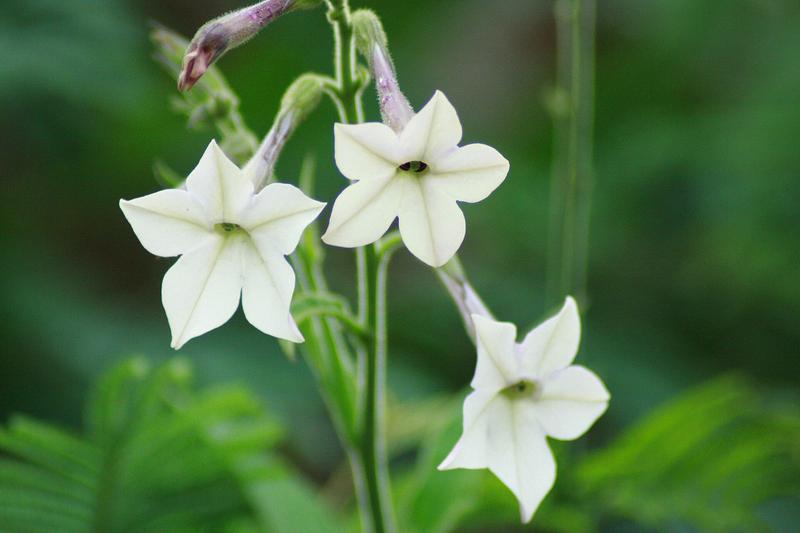
Quick facts
- Watering
- Two to three times weekly
- Sunlight
- Full sun to partial shade
- Soil
- Moist, well-drained, fertile soil
- Humans
- Toxic
- Cats
- Toxic
- Dogs
- Toxic
- Height
- 30–90 cm
- Spread
- 20–35 cm
- Spacing
- 25–30 cm apart
- RHS recognition
- Award of Garden Merit
About Nicotiana
Nicotiana is a tender annual prized for its tubular, star-shaped flowers that release a sweet, heady fragrance in the evening. Native to South America, this member of the tobacco family produces blooms in white, pink, red, lime-green and purple from early summer through to the first frosts. UK gardeners value nicotiana for its ability to fill borders and containers with colour and scent, whilst attracting moths and other pollinators during twilight hours.
UK fact: Several Nicotiana alata cultivars, including 'Lime Green' and the Domino Series, have received the RHS Award of Garden Merit for their reliable performance in British gardens and exceptional ornamental value.
Watering Nicotiana
Nicotiana requires regular watering to maintain steady growth and continuous flowering, particularly during the summer months. Water deeply two to three times per week, increasing frequency during hot weather or if plants are grown in containers, which dry out more rapidly. Apply water at the base of plants in the morning to allow foliage to dry before evening, reducing the risk of fungal diseases. Mulching around plants helps retain soil moisture and reduces watering frequency.
Sunlight requirements
Plant in a position receiving at least four to six hours of direct sunlight daily for the best flowering performance. In cooler northern regions, full sun is ideal, whilst in warmer areas of southern England, light afternoon shade helps prevent wilting during hot spells. South or west-facing borders are perfect, and the plants perform well in containers on patios where they can be positioned to catch evening sun.
Soil and feeding
Prepare beds by digging in generous amounts of well-rotted compost or manure several weeks before planting to improve soil structure and fertility. Nicotiana tolerates a wide pH range but grows best in neutral to slightly acidic conditions (pH 6.0-7.0). The soil must drain freely whilst retaining moisture, as waterlogged conditions lead to root rot. For container cultivation, use a quality multi-purpose compost enriched with slow-release fertiliser.
Begin feeding established plants in July with a tomato fertiliser or balanced liquid feed diluted to half strength, applied every two weeks. This encourages continuous flower production throughout late summer and autumn. Container-grown specimens benefit from more frequent feeding, as nutrients leach from pots more quickly than from open ground.
Pruning Nicotiana
Remove faded flower stems by cutting back to the nearest leaf joint or side shoot to encourage further blooms. Pinch out the growing tips of young plants when they reach 15-20 cm tall to promote bushier growth and more flowering stems. In late summer, if plants become leggy or untidy, cut back by one-third to stimulate fresh growth and a second flush of flowers. Remove any yellowing or damaged foliage promptly to maintain plant health and appearance.
Propagating Nicotiana
Sow seeds on the surface of moist seed compost from late February through April, as they require light to germinate. Maintain a temperature of 18-21°C using a heated propagator or warm windowsill, and germination typically occurs within 10-20 days. Prick out seedlings when large enough to handle, transplanting into individual 7.5 cm pots, and grow on in cooler conditions before hardening off gradually in late April or early May for planting out after all frost risk has passed.
Common problems
Aphids commonly colonise young shoots and flower buds, causing distorted growth and sticky honeydew; treat with insecticidal soap or encourage natural predators such as ladybirds. Slugs and snails can devastate young plants in spring, particularly during wet weather, so use organic pellets or beer traps for protection. Grey mould (botrytis) may affect flowers and foliage in damp, humid conditions with poor air circulation; remove affected parts promptly and avoid overhead watering. Tobacco mosaic virus occasionally causes mottled, distorted leaves and stunted growth; infected plants should be removed and destroyed, and avoid handling nicotiana after touching tomatoes or other solanaceous plants.
Spot a problem with your plant? Photograph the affected area using the Loam app and it will suggest the most likely cause and treatment.
Safety
- Humans
-
Toxic
All parts of nicotiana contain toxic alkaloids including nicotine. Ingestion can cause nausea, vomiting, and more serious symptoms. Keep away from children.
- Cats
-
Toxic
Toxic to cats if ingested, causing vomiting, drooling, incoordination, and potentially more severe symptoms. Seek veterinary attention if consumption is suspected.
- Dogs
-
Toxic
Toxic to dogs if ingested, causing vomiting, drooling, tremors, and potentially more severe neurological symptoms. Seek veterinary attention immediately if consumption occurs.
Toxicity information is for general guidance only. If a person or pet has been exposed to this plant and you are concerned, seek advice from a medical professional or vet.
Seasonal care calendar
Monthly care guide for Nicotiana in the UK, based on average conditions.
| Month | Care tasks |
|---|---|
| January | No action needed. Plan summer displays and order seeds from catalogues. |
| February | Sow seeds indoors in a heated propagator from late February onwards, maintaining 18-21°C for germination. |
| March | Continue sowing seeds. Prick out earlier seedlings into individual pots and grow on in good light. |
| April | Final sowings by mid-month. Begin hardening off plants in a cold frame from late April. Prepare planting sites with compost. |
| May | Plant out after last frosts from late May. Water regularly and pinch out growing tips to encourage bushy growth. |
| June | Water regularly during dry spells. Deadhead spent flowers to prolong blooming. Apply mulch to retain moisture. |
| July | Continue deadheading. Begin fortnightly feeding with liquid fertiliser. Water containers daily in hot weather. |
| August | Maintain regular watering and feeding. Deadhead frequently. Cut back leggy plants by one-third to encourage fresh growth. |
| September | Continue deadheading and feeding. Enjoy evening fragrance. Plants continue flowering until first frosts. |
| October | Plants may continue flowering in mild areas. Remove and compost plants after first hard frost blackens foliage. |
| November | Clear away spent plants. Dig over beds and incorporate compost ready for next year's planting. |
| December | No action needed. Review the season's performance and plan next year's colour schemes. |
Frequently asked questions
- How do I deadhead nicotiana plants?
- Remove spent flower stems by pinching or cutting them back to the nearest leaf joint or side shoot. Deadhead every few days during peak flowering to encourage continuous blooms through summer and autumn. For tall varieties, cut back entire flower spikes once most blooms have faded. Regular deadheading also prevents excessive self-seeding and keeps plants looking tidy.
- Why are my nicotiana leaves turning yellow?
- Yellowing leaves can indicate several issues including overwatering, nutrient deficiency, or pest problems such as aphids. Check soil moisture levels—nicotiana prefers consistently moist but not waterlogged conditions. If watering is correct, feed with a balanced liquid fertiliser. For persistent problems or if you're unsure of the cause, the Loam app can help diagnose specific issues through photos and provide personalised care recommendations.
- Are nicotiana plants poisonous to pets?
- Yes, all parts of nicotiana plants are toxic to cats, dogs, and other pets if ingested, as they contain nicotine and other alkaloids. Symptoms of poisoning include drooling, vomiting, diarrhoea, and in severe cases, tremors or difficulty breathing. Position plants in areas inaccessible to pets, and contact your vet immediately if you suspect your pet has eaten any part of a nicotiana plant.
Got a question about growing Nicotiana that isn't covered here? Ask the Garden Advisor in the Loam app. It knows your saved plants and local conditions.
Related plants
This page was compiled with AI assistance and reviewed by our team. .