Antirrhinum
Antirrhinum majus
Annuals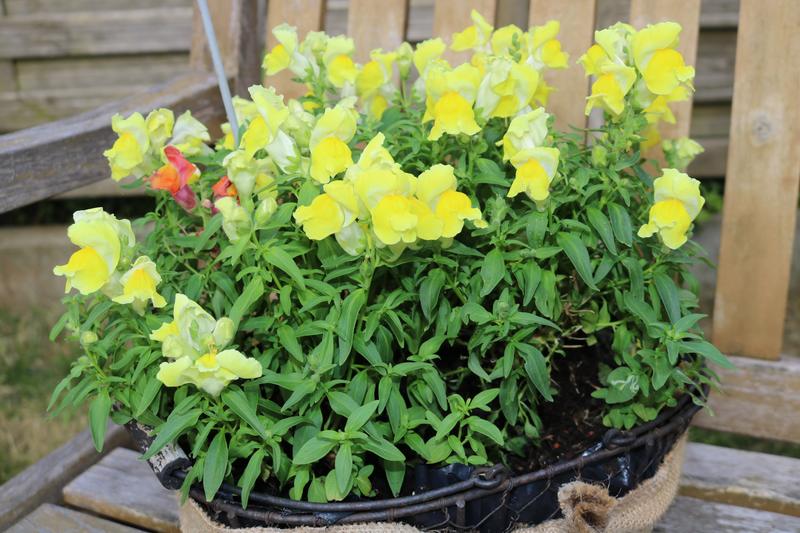
Quick facts
- Watering
- Weekly, more in containers
- Sunlight
- Full sun to partial shade
- Soil
- Well-drained, moderately fertile
- Humans
- Safe
- Cats
- Safe
- Dogs
- Safe
- Height
- 15–120 cm
- Spread
- 15–45 cm
- Spacing
- 15–30 cm apart
- RHS recognition
- Award of Garden Merit
About Antirrhinum
Antirrhinum, commonly known as snapdragons, are charming cottage garden annuals prized for their distinctive dragon-faced flowers that 'snap' open when gently squeezed. Native to the Mediterranean region, these versatile plants have been cultivated in British gardens since the 16th century and remain hugely popular for their vibrant colour range and long flowering season. UK gardeners value antirrhinums for their ability to fill gaps in borders, provide excellent cut flowers, and bloom reliably from early summer through to the first frosts. Available in dwarf, intermediate, and tall varieties, they suit everything from container displays to traditional herbaceous borders.
UK fact: Many antirrhinum cultivars have received the RHS Award of Garden Merit, and they remain a staple of British cottage gardens, having been featured in English gardens since Tudor times when they were grown for their supposed magical properties.
Watering Antirrhinum
Established antirrhinums require moderate watering, typically once weekly during dry weather, though container-grown plants may need daily watering in summer. Apply water at the base of plants early in the day to reduce the risk of fungal diseases such as rust and mildew. During the typically wet British spring, reduce watering frequency and ensure good drainage to prevent root rot. Young plants and recent transplants need more frequent watering until their root systems establish, usually for the first 4-6 weeks after planting out.
Sunlight requirements
Position antirrhinums in a spot receiving at least six hours of direct sunlight daily for the best flowering performance. In hotter southern counties, they benefit from afternoon shade which prevents flowers from fading and extends the blooming period. North-facing borders with good light can work well in Scotland and northern England, though flowering may be slightly reduced.
Soil and feeding
Plant antirrhinums in well-drained soil enriched with organic matter such as garden compost or well-rotted manure. They perform best in neutral to slightly alkaline conditions (pH 6.5-7.5), which suits many UK gardens naturally, particularly those with chalky or limestone soils. Heavy clay soils should be improved with horticultural grit and organic matter to enhance drainage, as waterlogged conditions encourage root diseases. Avoid excessively rich soils which promote leafy growth at the expense of flowers.
Begin feeding antirrhinums with a balanced liquid fertiliser (such as tomato feed diluted to half strength) once the first flower spikes appear, typically in late May or early June. Continue feeding every two weeks throughout the flowering season to encourage continuous blooming until the first frosts. Avoid high-nitrogen feeds which promote foliage over flowers.
Pruning Antirrhinum
Pinch out the main growing tip when plants reach 10-15cm tall to encourage branching and a bushier habit with more flower spikes. Deadhead spent flower spikes regularly throughout summer by cutting back to a side shoot or leaf node, which promotes further flowering and prevents energy being wasted on seed production. In late summer, cut back tall varieties by one-third if they become leggy to encourage a fresh flush of autumn blooms. Remove any rust-affected leaves promptly to prevent spread of disease.
Propagating Antirrhinum
Antirrhinums are easily grown from seed sown indoors 8-10 weeks before the last expected frost, typically late February to early April in most of the UK. Seeds need light to germinate, so surface-sow on moist seed compost without covering. Germination occurs in 10-21 days at 15-18°C. Alternatively, sow directly outdoors from mid-April in milder regions or May in colder areas once soil has warmed, though flowering will be later than indoor-sown plants.
Common problems
Antirrhinums are susceptible to antirrhinum rust, a fungal disease causing brown pustules on leaf undersides, which is particularly prevalent in humid British summers; remove affected leaves promptly and avoid overhead watering. Aphids commonly colonise new growth and flower spikes, causing distortion and spreading viruses; control with organic sprays or encourage natural predators. Powdery mildew can affect plants in dry conditions or where air circulation is poor, appearing as white powdery coating on leaves. Slugs and snails may damage young plants in spring, particularly in wet weather, so protect seedlings with organic slug pellets or barriers.
Spot a problem with your plant? Photograph the affected area using the Loam app and it will suggest the most likely cause and treatment.
Safety
- Humans
- Safe
- Cats
- Safe
- Dogs
- Safe
Toxicity information is for general guidance only.
Seasonal care calendar
Monthly care guide for Antirrhinum in the UK, based on average conditions.
| Month | Care tasks |
|---|---|
| January | Plan planting schemes and order seeds from catalogues for spring sowing. |
| February | Sow seeds indoors in a heated propagator or on a warm windowsill from late February onwards. |
| March | Continue sowing seeds indoors. Prick out earlier sowings into individual pots and grow on in good light. |
| April | Pinch out growing tips to encourage bushy growth. Begin hardening off plants. Sow seeds directly outdoors in milder regions from mid-month. |
| May | Plant out hardened-off plants after last frosts, typically mid to late May. Direct sow outdoors in colder regions. Water new plantings regularly. |
| June | Deadhead regularly as first flowers fade. Begin fortnightly feeding with balanced liquid fertiliser. Water during dry spells and watch for aphids. |
| July | Continue deadheading and feeding. Water containers daily in hot weather. Monitor for rust disease and remove affected leaves promptly. |
| August | Maintain deadheading and feeding regime. Cut back leggy plants by one-third to encourage autumn flowering. Continue watering during dry periods. |
| September | Enjoy late summer blooms. Continue deadheading to prolong flowering into autumn. Reduce feeding frequency as growth slows. |
| October | Plants may continue flowering until first frosts. Allow some seed heads to develop for self-seeding if desired. Clear away frost-damaged plants. |
| November | Remove spent plants and add to compost heap. Clear debris to reduce overwintering sites for pests and diseases. |
| December | No action needed. Browse seed catalogues and plan next year's colour schemes. |
Frequently asked questions
- When should I sow antirrhinum seeds in the UK?
- Sow antirrhinum seeds indoors from February to March for summer flowering, or in late summer (August-September) for early spring blooms the following year. Surface sow on moist compost as seeds need light to germinate, maintain 15-18°C, and expect germination in 10-14 days. Prick out seedlings when large enough to handle and grow on in cooler conditions before hardening off and planting out after the last frosts in May.
- Why are my antirrhinum leaves covered in brown spots?
- This is likely antirrhinum rust, a common fungal disease in the UK. Remove and destroy affected leaves immediately, avoid overhead watering, and ensure good air circulation. Consider growing rust-resistant varieties in future. The Loam app can help you diagnose leaf problems through photo identification and send you timely reminders for preventative care throughout the growing season.
- What type of soil do antirrhinums prefer?
- Antirrhinums thrive in well-drained, fertile soil with a neutral to slightly alkaline pH (6.5-7.5). They tolerate most soil types but perform poorly in heavy clay or waterlogged conditions. Improve drainage by incorporating organic matter or grit, and avoid planting in areas prone to winter wet. In containers, use a good quality multipurpose compost with added perlite for drainage.
Got a question about growing Antirrhinum that isn't covered here? Ask the Garden Advisor in the Loam app. It knows your saved plants and local conditions.
Related plants
This page was compiled with AI assistance and reviewed by our team. .