Diascia
Diascia barberae
Perennials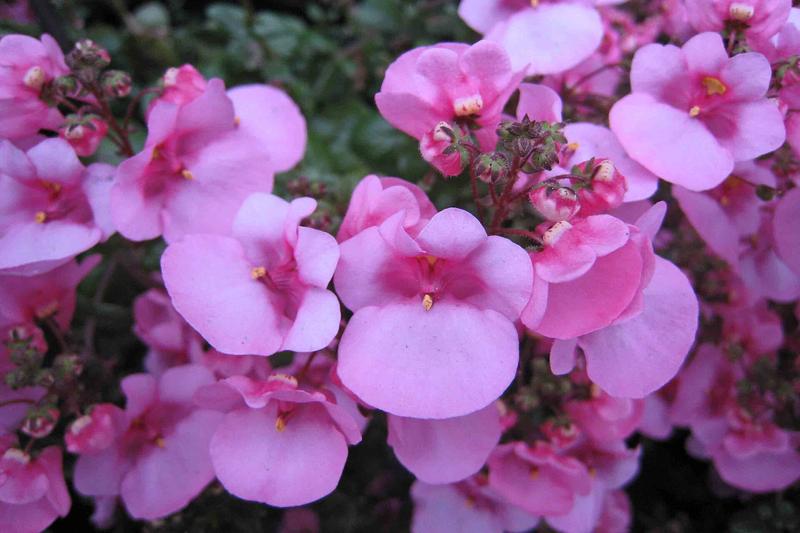
Quick facts
- Watering
- Two to three times weekly
- Sunlight
- Full sun to partial shade
- Soil
- Well-drained, moderately fertile
- Humans
- Safe
- Cats
- Safe
- Dogs
- Safe
- Height
- 20–30 cm
- Spread
- 30–50 cm
- Spacing
- 25–30 cm apart
- RHS recognition
- Award of Garden Merit
About Diascia
Diascia is a charming South African perennial prized for its profusion of delicate, spurred flowers in shades of pink, coral, salmon, and white throughout summer. These low-growing plants form neat mounds of small, heart-shaped leaves smothered in blooms from late spring until the first frosts. UK gardeners value diascia for its long flowering season, compact habit ideal for containers and hanging baskets, and ability to thrive in our cooler summers. Though technically tender perennials, many modern cultivars survive mild UK winters and provide reliable colour in borders, rockeries, and patio displays.
UK fact: Several Diascia cultivars have received the RHS Award of Garden Merit, including 'Salmon Supreme' and 'Ruby Field', recognising their exceptional performance in British gardens and their ability to flower prolifically even during our often-disappointing summers.
Watering Diascia
Keep diascia consistently moist during the growing season, particularly in containers which dry out rapidly in warm weather. Water two to three times weekly during dry spells, ensuring the soil never completely dries out as this causes flowering to cease. In autumn, reduce watering frequency as growth slows, and keep barely moist over winter if plants are overwintered under cover. Avoid overhead watering which can encourage fungal diseases, instead directing water at the base of plants.
Sunlight requirements
Diascia performs best in full sun in most of the UK, where it will produce the most abundant flowers. In southern England and during hot spells, light afternoon shade prevents stress and extends the flowering period. North-facing positions should be avoided as insufficient light reduces flowering significantly.
Soil and feeding
Diascia requires well-drained soil and will not tolerate waterlogged conditions, particularly in winter when this leads to root rot. A moderately fertile, neutral to slightly acidic soil (pH 6.0-7.0) is ideal, though plants adapt to most soil types provided drainage is good. In heavy clay soils, incorporate plenty of horticultural grit and organic matter to improve drainage. For container growing, use a quality multi-purpose compost with added perlite or grit for extra drainage.
Feed fortnightly during the flowering season with a balanced liquid fertiliser to sustain the prolonged blooming period. Container-grown plants benefit from weekly feeding as nutrients leach more rapidly. Cease feeding in late September to allow plants to harden off before winter.
Pruning Diascia
Deadhead spent flowers regularly throughout summer to encourage continuous blooming and maintain a tidy appearance. In late summer, lightly trim back straggly growth by one-third to promote fresh flowering shoots and a more compact habit. Cut back to within 5-8 cm of the base in late autumn after flowering finishes, or in early spring in colder regions where the top growth provides winter protection. Plants often self-clean, dropping spent flowers naturally, but regular deadheading still improves overall performance.
Propagating Diascia
Diascia is easily propagated from softwood cuttings taken in late spring or early summer. Take 5-8 cm tip cuttings from non-flowering shoots, remove the lower leaves, and insert into gritty compost or a mix of peat-free compost and perlite. Cuttings root within 2-3 weeks in a propagator or on a bright windowsill. Division of established clumps in spring is also successful, carefully separating rooted sections and replanting immediately.
Common problems
Diascia is relatively trouble-free but can suffer from aphid infestations on new growth, particularly in early summer; treat with insecticidal soap or encourage natural predators. Powdery mildew may appear in dry conditions with poor air circulation, so ensure adequate spacing and water at the base rather than overhead. Slugs and snails can damage young plants in spring, requiring protection with organic pellets or barriers. The main cultural problem is winter losses in cold or wet regions; improve survival by ensuring excellent drainage and providing a dry mulch or cloche protection in exposed gardens.
Spot a problem with your plant? Photograph the affected area using the Loam app and it will suggest the most likely cause and treatment.
Safety
- Humans
- Safe
- Cats
- Safe
- Dogs
- Safe
Toxicity information is for general guidance only.
Seasonal care calendar
Monthly care guide for Diascia in the UK, based on average conditions.
| Month | Care tasks |
|---|---|
| January | No action needed. Protect outdoor plants with fleece during severe frosts. |
| February | Check overwintered plants under cover and remove any dead foliage. |
| March | Cut back outdoor plants to 5-8 cm if not done in autumn. Divide established clumps. |
| April | Plant out new plants after last frosts. Begin weekly feeding of container plants. |
| May | Take softwood cuttings. Deadhead regularly as flowering begins. Water frequently in dry spells. |
| June | Continue deadheading and feeding. Water two to three times weekly during dry weather. |
| July | Maintain regular deadheading and watering. Watch for aphids on new growth. |
| August | Lightly trim back straggly growth by one-third to encourage fresh flowers. Continue feeding. |
| September | Cease feeding late in the month. Continue deadheading to prolong flowering. |
| October | Reduce watering as growth slows. Take cuttings for overwintering indoors in cold regions. |
| November | Cut back to 5-8 cm after flowering finishes. Mulch crowns in exposed gardens. |
| December | No action needed. Ensure winter protection is secure during cold snaps. |
Frequently asked questions
- Why has my diascia stopped flowering in summer?
- Diascia typically stops flowering when the soil becomes too dry or when spent blooms are not removed. Water two to three times weekly during dry spells and deadhead regularly to encourage continuous blooming. A fortnightly liquid feed also helps sustain flower production throughout the season.
- How can I tell if my diascia needs watering or feeding?
- Wilting leaves and reduced flowering indicate watering issues, while pale foliage suggests nutrient deficiency. The Loam app can send personalised watering reminders based on your local weather and help you track feeding schedules to keep your diascia flowering abundantly all summer.
- Will diascia survive winter outdoors in the UK?
- Diascia survives mild UK winters in coastal and southern regions, particularly in well-drained soil. In colder areas, treat as a half-hardy annual or take cuttings in autumn to overwinter indoors. Mulching crowns and ensuring excellent drainage significantly improves survival rates in borderline areas.
Got a question about growing Diascia that isn't covered here? Ask the Garden Advisor in the Loam app. It knows your saved plants and local conditions.
Related plants
This page was compiled with AI assistance and reviewed by our team. .