Nemesia
Nemesia strumosa
Annuals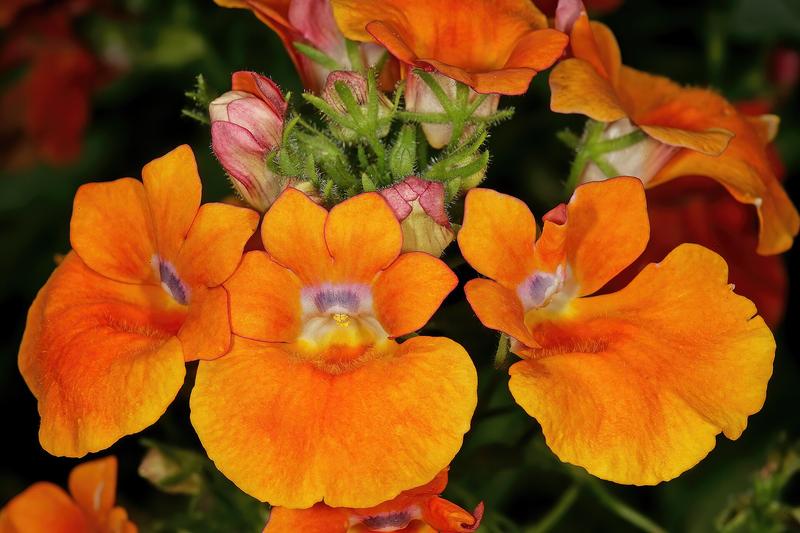
Quick facts
- Watering
- Every 2-3 days in containers
- Sunlight
- Full sun to partial shade
- Soil
- Well-drained, fertile, slightly acidic
- Humans
- Unknown
- Cats
- Unknown
- Dogs
- Unknown
- Height
- 20–30 cm
- Spread
- 15–25 cm
- Spacing
- 15–20 cm apart
- RHS recognition
- Award of Garden Merit
About Nemesia
Nemesia is a cheerful South African annual prized for its vibrant, orchid-like flowers in shades of pink, purple, orange, yellow, and white. Growing 20–30 cm tall, these compact plants produce masses of sweetly scented blooms from late spring through to autumn. UK gardeners value nemesia for its long flowering season and versatility in containers, hanging baskets, and bedding schemes. Modern breeding has produced heat-tolerant varieties that perform reliably in British summers.
UK fact: Nemesia has been a favourite in British cottage gardens since Victorian times, when plant hunters first introduced it from South Africa, and several cultivars have received the RHS Award of Garden Merit for their exceptional performance in UK conditions.
Watering Nemesia
Keep the soil consistently moist but never waterlogged, as nemesia dislikes both drought and soggy conditions. Container-grown plants require watering every 2–3 days during warm weather, whilst those in beds need watering weekly during dry spells. Water at the base of the plant in the morning to reduce the risk of fungal diseases. During prolonged wet periods, ensure good drainage to prevent root rot.
Sunlight requirements
Nemesia thrives in full sun but appreciates some afternoon shade during hot spells, particularly in south-facing positions. In cooler northern regions, a sunny spot will encourage the best flowering. East or west-facing beds and containers work particularly well, providing bright light without scorching the delicate blooms.
Soil and feeding
Nemesia performs best in well-drained, fertile soil enriched with organic matter such as well-rotted compost or leaf mould. The ideal pH is slightly acidic to neutral (6.0–7.0). For containers, use a good-quality multipurpose compost with added perlite or grit to improve drainage. Heavy clay soils should be amended with horticultural grit and organic matter to prevent waterlogging, which nemesia cannot tolerate.
Feed container-grown nemesia weekly with a balanced liquid fertiliser at half strength to maintain continuous flowering throughout the season. Plants in beds benefit from a light application of slow-release granular fertiliser at planting time, followed by a monthly liquid feed during the flowering period to encourage prolific blooms.
Pruning Nemesia
Deadhead spent flowers regularly to prolong the flowering season and maintain a tidy appearance. In midsummer, if plants become leggy or flowering slows, trim them back by one-third to encourage fresh growth and a second flush of blooms. Pinch out the growing tips of young plants to promote bushier growth and more flower stems. Remove any yellowing or damaged foliage promptly to maintain plant health and vigour.
Propagating Nemesia
Nemesia is typically grown from seed sown indoors in February or March at 15–18°C, germinating in 7–14 days. Prick out seedlings when large enough to handle and grow on in cooler conditions before hardening off in late April. Plant out after all risk of frost has passed in late May or early June. Softwood cuttings can be taken in late summer from particularly attractive plants, rooted in a propagator, and overwintered frost-free for planting out the following spring.
Common problems
Aphids can cluster on new growth and flower buds, causing distortion and spreading viruses; treat with insecticidal soap or encourage natural predators. Powdery mildew may appear as white patches on leaves during humid weather or when plants are stressed by drought; improve air circulation and water consistently. Root rot can occur in poorly drained soil or overwatered containers, causing wilting and yellowing; ensure excellent drainage and avoid waterlogging. Slugs and snails may damage young plants in spring, particularly in damp conditions.
Spot a problem with your plant? Photograph the affected area using the Loam app and it will suggest the most likely cause and treatment.
Safety
- Humans
-
Unknown
No confirmed toxicity data available; avoid ingestion as a precaution.
- Cats
-
Unknown
No confirmed toxicity data available; monitor pets and contact vet if ingestion occurs.
- Dogs
-
Unknown
No confirmed toxicity data available; monitor pets and contact vet if ingestion occurs.
Toxicity information is for general guidance only. If a person or pet has been exposed to this plant and you are concerned, seek advice from a medical professional or vet.
Seasonal care calendar
Monthly care guide for Nemesia in the UK, based on average conditions.
| Month | Care tasks |
|---|---|
| January | No action needed. Plan colour schemes for spring planting. |
| February | Sow seeds indoors in trays at 15–18°C for early flowering. |
| March | Continue sowing seeds. Prick out February-sown seedlings into individual pots. |
| April | Grow on seedlings in cooler conditions. Begin hardening off towards month end. |
| May | Plant out after last frosts. Water regularly and pinch out growing tips. |
| June | Deadhead regularly and feed weekly. Water during dry spells. |
| July | Continue deadheading and feeding. Trim back leggy plants by one-third. |
| August | Maintain watering and feeding regime. Take softwood cuttings from favourite plants. |
| September | Continue deadheading to prolong flowering. Pot up rooted cuttings. |
| October | Flowering slows. Move cuttings to frost-free location before first frosts. |
| November | Clear spent plants from beds and containers after frost damage. |
| December | No action needed. Overwinter cuttings in frost-free conditions. |
Frequently asked questions
- Why has my nemesia stopped flowering in midsummer?
- Nemesia often takes a break during the hottest weeks of summer. Trim plants back by one-third, ensure consistent watering, and feed weekly with a balanced liquid fertiliser to encourage a strong second flush of blooms in late summer and autumn.
- How can I tell if my nemesia needs more water or less?
- Wilting with dry soil indicates underwatering, whilst yellowing leaves and soggy compost suggest overwatering. The Loam app can help you track watering schedules and send personalised reminders based on your local weather conditions and container size.
- Can I overwinter nemesia in the UK?
- Nemesia is frost-tender and typically grown as an annual in the UK. However, you can take cuttings in late summer and overwinter them in a frost-free greenhouse or conservatory, then plant them out the following spring after hardening off.
Got a question about growing Nemesia that isn't covered here? Ask the Garden Advisor in the Loam app. It knows your saved plants and local conditions.
Related plants
This page was compiled with AI assistance and reviewed by our team. .