Alyssum
Lobularia maritima
Annuals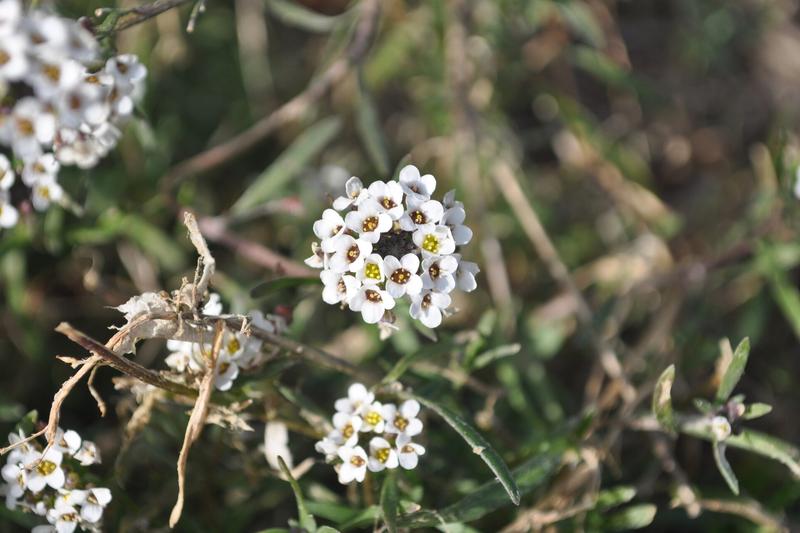
Quick facts
- Watering
- Weekly, more in containers
- Sunlight
- Full sun to partial shade
- Soil
- Well-drained, moderately fertile
- Humans
- Safe
- Cats
- Safe
- Dogs
- Safe
- Height
- 8–25 cm
- Spread
- 20–30 cm
- Spacing
- 15–20 cm apart
About Alyssum
Alyssum is a low-growing annual beloved by UK gardeners for its profusion of tiny, honey-scented flowers in white, pink, purple, or apricot shades. Native to the Mediterranean region, this hardy little plant thrives in British gardens, forming dense carpets of colour from late spring through to the first frosts. Its compact habit makes it ideal for edging borders, filling gaps in paving, cascading from containers, and attracting beneficial insects including bees and hoverflies. Alyssum is remarkably easy to grow and will often self-seed, returning year after year in favourable conditions.
UK fact: Alyssum has been a staple of British cottage gardens since Victorian times, when it was prized for edging formal bedding schemes and its sweet fragrance that perfumes evening gardens throughout the summer months.
Watering Alyssum
Once established, alyssum is reasonably drought-tolerant but performs best with consistent moisture, particularly during the typically drier months of May through August. Water deeply once or twice weekly during dry weather, increasing frequency for container-grown plants which may need daily watering in hot conditions. Avoid overhead watering in the evening as wet foliage overnight can encourage fungal diseases. In typical British summers with regular rainfall, established plants in borders often need little supplementary watering except during prolonged dry spells.
Sunlight requirements
Position alyssum in a spot receiving at least 4-6 hours of direct sunlight daily for the best flowering display. In cooler northern and Scottish gardens, full sun is ideal, whilst in warmer southern counties, light afternoon shade helps prevent plants from becoming stressed during hot spells. South-facing or west-facing positions work well, though avoid deep shade which results in leggy growth and reduced flowering.
Soil and feeding
Grow alyssum in any well-drained soil, including sandy, loamy, or chalky types with a pH range of 6.0-7.5 (slightly acidic to neutral). Excellent drainage is essential as waterlogged conditions quickly lead to root rot, particularly during wet British winters if plants self-seed. Avoid overly rich soils which promote leafy growth at the expense of flowers. For heavy clay soils, improve drainage by incorporating horticultural grit or sharp sand, or grow alyssum in raised beds and containers where drainage can be better controlled.
In garden borders, alyssum rarely needs supplementary feeding and often flowers more profusely in moderately fertile to poor soils. For container-grown plants, apply a balanced liquid fertiliser at half strength every 3-4 weeks during the flowering season to maintain continuous blooms. Avoid high-nitrogen feeds which encourage foliage at the expense of flowers.
Pruning Alyssum
Alyssum benefits from a light trim in mid to late July when the first flush of flowers begins to fade and plants become leggy. Using sharp scissors or shears, cut back the entire plant by about one-third, removing spent flower heads and straggly growth. This encourages bushy regrowth and a prolific second flowering that often lasts until October or the first hard frosts. Deadheading individual flowers is unnecessary and impractical given the plant's tiny blooms, though the midsummer shearing serves this purpose effectively.
Propagating Alyssum
Sow alyssum seeds from March to May for summer flowering, either directly into prepared soil outdoors after the last frost or indoors in modules 6-8 weeks before the last frost date. Seeds germinate readily at 15-20°C and seedlings grow quickly, often flowering within 6-8 weeks of sowing. Alyssum self-seeds freely in favourable conditions, and these volunteer seedlings can be transplanted whilst small or simply thinned to appropriate spacing. Autumn-sown seeds (September) may overwinter in milder regions, producing earlier flowers the following spring.
Common problems
Alyssum is generally trouble-free but can occasionally suffer from downy mildew in humid conditions, appearing as yellowing leaves with greyish fungal growth beneath. Flea beetles may create small holes in foliage, particularly on young plants, though damage is usually cosmetic and plants quickly outgrow it. Aphids sometimes colonise new growth but are easily controlled with a strong water spray or by encouraging natural predators like ladybirds and hoverflies. In wet summers or poorly drained soils, root rot can occur, causing plants to collapse suddenly; prevention through good drainage is more effective than treatment.
Spot a problem with your plant? Photograph the affected area using the Loam app and it will suggest the most likely cause and treatment.
Safety
- Humans
- Safe
- Cats
- Safe
- Dogs
- Safe
Toxicity information is for general guidance only.
Seasonal care calendar
Monthly care guide for Alyssum in the UK, based on average conditions.
| Month | Care tasks |
|---|---|
| January | No action needed. Plan where to sow alyssum in spring and order seeds from catalogues. |
| February | Sow seeds indoors in modules from late February in heated propagators for early flowering plants. |
| March | Continue indoor sowing. Prepare outdoor seedbeds in milder regions towards month end. |
| April | Sow seeds directly outdoors from mid-April in southern regions. Harden off indoor-raised seedlings and plant out after last frosts. |
| May | Plant out all remaining seedlings. Direct sow outdoors for succession planting. Water young plants during dry spells. |
| June | Enjoy the first flush of flowers. Water regularly, especially containers. Thin any overcrowded self-sown seedlings. |
| July | Trim plants back by one-third mid to late month to encourage a second flush. Water and feed container plants. |
| August | Enjoy renewed flowering from trimmed plants. Continue watering during dry weather. Deadhead if desired, though not essential. |
| September | Plants continue flowering into autumn. Allow some flowers to set seed for self-sowing. Sow seeds outdoors in mild regions for early spring flowers. |
| October | Flowering continues until first frosts. Collect ripe seed heads for sowing next year if desired. |
| November | Clear spent plants after frost damage. Leave some to self-seed naturally in borders. |
| December | No action needed. Store collected seeds in a cool, dry place for spring sowing. |
Frequently asked questions
- When should I sow alyssum seeds in the UK?
- Sow alyssum seeds outdoors from March to May once the soil has warmed, or start indoors in February for earlier flowers. Seeds germinate in 7-14 days at 15-18°C. Barely cover seeds as they need light to germinate. In mild regions, you can also sow in September for early spring flowering, though success depends on winter conditions.
- Why has my alyssum stopped flowering in midsummer?
- Alyssum often takes a break during the hottest weeks of July. Trim plants back by one-third, water well, and they'll produce a fresh flush of flowers that lasts until autumn frosts. If you're unsure whether heat stress or another issue is affecting your plants, the Loam app can help diagnose problems and send you timely reminders for seasonal maintenance like midsummer trimming.
- What type of soil does alyssum prefer?
- Alyssum thrives in well-drained soil and tolerates poor, sandy, or gravelly conditions, making it ideal for rockeries, gravel gardens, and between paving. It prefers neutral to slightly alkaline soil (pH 6.5-7.5) and actually flowers more profusely in lean soil. Avoid heavy clay or waterlogged conditions, which can cause root rot.
Got a question about growing Alyssum that isn't covered here? Ask the Garden Advisor in the Loam app. It knows your saved plants and local conditions.
Related plants
This page was compiled with AI assistance and reviewed by our team. .