Lobelia
Lobelia erinus
Annuals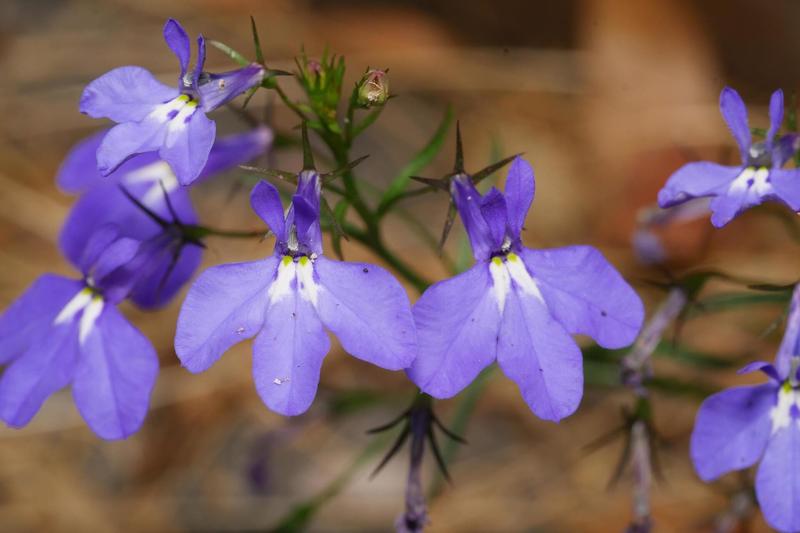
Quick facts
- Watering
- Daily in containers, twice weekly in borders
- Sunlight
- Full sun to partial shade
- Soil
- Moist, well-drained, fertile
- Humans
- Toxic
- Cats
- Toxic
- Dogs
- Toxic
- Height
- 10–25 cm
- Spread
- 15–30 cm
- Spacing
- 10–15 cm apart
- RHS recognition
- Award of Garden Merit
About Lobelia
Lobelia is a charming half-hardy annual native to South Africa, beloved by British gardeners for its profuse display of tiny, jewel-like flowers in shades of blue, purple, pink, and white. Growing in compact mounds or trailing cascades, it's perfect for edging borders, filling gaps in rockeries, and spilling from hanging baskets and containers. Its long flowering season from late spring through to the first frosts makes it an invaluable bedding plant in UK gardens. The delicate blooms attract bees and butterflies, adding movement and life to summer displays.
UK fact: Many Lobelia erinus cultivars have received the RHS Award of Garden Merit, with 'Cambridge Blue' being particularly cherished in British cottage gardens since Victorian times when it was used extensively in formal bedding schemes alongside white alyssum.
Watering Lobelia
Lobelia requires regular watering to maintain its continuous flowering display, especially when grown in containers and hanging baskets which dry out quickly in warm weather. During typical British summers, water container-grown plants daily and border plants twice weekly, increasing frequency during dry spells. The foliage will quickly wilt if allowed to dry out, though plants usually recover with prompt watering. In wet summers, ensure containers have adequate drainage to prevent waterlogging, which can lead to root rot.
Sunlight requirements
In the UK, lobelia performs best in full sun to partial shade, with at least 4-6 hours of direct sunlight daily. In cooler northern regions and Scotland, full sun positions encourage the most prolific flowering. In warmer southern counties, some afternoon shade helps prevent the plants from drying out too quickly and extends the flowering period through hot summer weeks.
Soil and feeding
Plant lobelia in fertile, humus-rich soil that retains moisture without becoming waterlogged. The ideal pH range is 6.0-7.0, though plants tolerate slightly alkaline conditions. For containers and hanging baskets, use a good quality multipurpose compost mixed with water-retaining gel crystals to help maintain consistent moisture levels. In borders, improve heavy clay soils with organic matter and grit to enhance drainage, whilst sandy soils benefit from generous additions of well-rotted compost or manure to improve water retention.
Begin feeding lobelia four weeks after planting once initial nutrients in the compost are depleted. Apply a balanced liquid fertiliser at half strength every two weeks, or use a slow-release fertiliser mixed into the compost at planting time. High-potash tomato feed can be used from midsummer onwards to encourage continued flowering, particularly for plants in baskets and containers where nutrients leach away quickly.
Pruning Lobelia
Regular deadheading isn't essential but removes spent blooms to keep displays tidy. In mid to late July, if plants become straggly or flowering diminishes, cut back by about one-third using sharp scissors or shears. This rejuvenation pruning encourages fresh, bushy growth and a second wave of flowers that will continue until the first frosts. Water and feed well after cutting back to support new growth. Trailing varieties in hanging baskets particularly benefit from this treatment.
Propagating Lobelia
Sow lobelia seeds indoors 10-12 weeks before the last expected frost, typically between January and March in the UK. The dust-fine seeds require light to germinate, so surface-sow onto moist seed compost without covering. Germination takes 14-21 days at 18-21°C. Prick out seedlings in small clumps rather than individually, as the tiny plants are easier to handle in groups. Harden off gradually in a cold frame during April and May before planting out after all frost risk has passed, usually late May to early June.
Common problems
Lobelia is relatively trouble-free but can suffer from damping off when seedlings are overwatered or grown in poorly ventilated conditions. Aphids occasionally colonise young growth, causing distorted leaves and reduced flowering; treat with insecticidal soap or encourage natural predators. Slugs and snails may damage young plants in borders, particularly during wet weather, so use organic pellets or barriers for protection. In very wet summers, plants may develop grey mould (botrytis) on flowers and foliage; improve air circulation and remove affected material promptly.
Spot a problem with your plant? Photograph the affected area using the Loam app and it will suggest the most likely cause and treatment.
Safety
- Humans
-
Toxic
All parts of Lobelia erinus contain alkaloids that can cause nausea, vomiting, and diarrhoea if ingested. Keep away from young children.
- Cats
-
Toxic
Toxic to cats if ingested, causing vomiting, diarrhoea, and excessive salivation. Contact a vet if consumption is suspected.
- Dogs
-
Toxic
Toxic to dogs if eaten, potentially causing vomiting, diarrhoea, and depression. Seek veterinary advice if ingestion occurs.
Toxicity information is for general guidance only. If a person or pet has been exposed to this plant and you are concerned, seek advice from a medical professional or vet.
Seasonal care calendar
Monthly care guide for Lobelia in the UK, based on average conditions.
| Month | Care tasks |
|---|---|
| January | Sow seeds indoors in a heated propagator at 18-21°C for early flowering plants. |
| February | Continue sowing seeds indoors. Prick out January-sown seedlings into individual pots or small clumps. |
| March | Final sowings for the season. Grow on seedlings in good light and cooler conditions to prevent legginess. |
| April | Begin hardening off plants in a cold frame. Pinch out growing tips to encourage bushy growth. |
| May | Complete hardening off and plant out after the last frost, typically late May. Water regularly to establish. |
| June | Deadhead spent blooms and maintain consistent watering. Begin fortnightly feeding of container plants. |
| July | Cut back leggy growth by one-third to encourage fresh flowering. Water daily in hot weather, especially containers. |
| August | Continue regular watering and feeding. Enjoy the second flush of flowers from plants cut back in July. |
| September | Maintain watering and feeding as plants continue flowering. Remove any yellowing foliage to keep displays tidy. |
| October | Plants will continue flowering until the first frosts. Reduce watering as temperatures cool and growth slows. |
| November | Remove frost-damaged plants and clear away debris. Clean containers ready for winter planting schemes. |
| December | No action needed. Plan colour schemes and order seeds for next year's displays. |
Frequently asked questions
- When should I plant out lobelia seedlings?
- Plant out lobelia after all risk of frost has passed, typically from late May to early June in most of the UK. In milder southern and coastal areas, you may plant from mid-May, but always harden off plants thoroughly first.
- Why are my lobelia seedlings dying off?
- Damping off is the most common cause, usually due to overwatering, poor ventilation, or using unsterilised compost. Ensure good air circulation, water from below, and use fresh seed compost. Avoid overcrowding seedlings in trays. The Loam app can help you diagnose seedling problems and set watering reminders to prevent overwatering.
- Can I grow lobelia from cuttings?
- Yes, lobelia can be propagated from cuttings taken in late summer. Select healthy, non-flowering shoots about 5-8cm long, remove lower leaves, and insert into moist seed compost. Keep in a frost-free greenhouse or on a bright windowsill. Cuttings root within 2-3 weeks and provide plants for the following year without needing to sow seed.
Got a question about growing Lobelia that isn't covered here? Ask the Garden Advisor in the Loam app. It knows your saved plants and local conditions.
Related plants
This page was compiled with AI assistance and reviewed by our team. .