Begonia
Begonia rex
Houseplants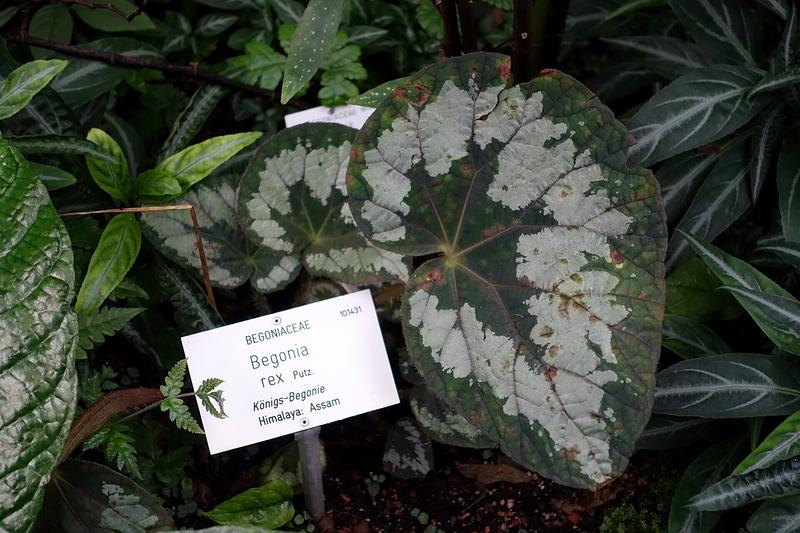
Quick facts
- Watering
- Weekly during growing season
- Sunlight
- Bright indirect light
- Soil
- Well-draining, peat-free, humus-rich
- Humans
- Toxic
- Cats
- Toxic
- Dogs
- Toxic
- Height
- 20–40 cm
- Spread
- 25–45 cm
- Spacing
- 30–40 cm apart
About Begonia
Begonia rex is a stunning foliage houseplant prized for its dramatically patterned leaves in shades of silver, purple, pink, and green. Native to the forests of northern India, this tropical perennial has become a favourite among UK indoor gardeners for its architectural presence and relatively compact habit. The ornate, asymmetrical leaves display intricate swirls and metallic sheens that bring year-round colour to British homes. Rex begonias thrive in the stable temperatures of UK interiors, making them ideal specimens for bright bathrooms, conservatories, and well-lit living spaces.
UK fact: The RHS Chelsea Flower Show has featured rex begonias in Victorian-themed displays since the 1990s, celebrating their popularity during the 19th-century British houseplant craze when they were status symbols in wealthy households.
Watering Begonia
Rex begonias prefer consistently moist but not soggy compost during spring and summer. Water when the top 2–3 cm feels dry to the touch, typically once weekly in warm weather, using tepid water to avoid shocking the roots. Always water the compost directly rather than overhead, as moisture on the leaves encourages powdery mildew, a common problem in humid UK conditions. In winter, reduce watering to every 10–14 days as growth slows, allowing the compost to dry out slightly more between waterings. Ensure pots have drainage holes and never allow the plant to sit in water, as rex begonias are particularly susceptible to root rot in the cooler, darker British winter.
Sunlight requirements
Position your rex begonia in bright, indirect light away from direct sun, which will bleach and burn the delicate foliage. North-facing or east-facing windows are perfect in UK homes, providing gentle morning light without harsh afternoon rays. In south or west-facing rooms, place the plant 1–2 metres back from the window or filter light with sheer curtains. During the darker British winter months, move plants closer to windows to maintain leaf colour and pattern intensity.
Soil and feeding
Rex begonias thrive in light, airy, moisture-retentive compost that drains freely. A peat-free houseplant mix amended with 20–30% perlite, vermiculite, or fine orchid bark provides the ideal structure, preventing waterlogging whilst retaining sufficient moisture. The compost should be slightly acidic to neutral, with a pH of 5.5–6.5. Avoid heavy, compacted soils that stay wet, as these tropical plants have fine, shallow roots prone to rot in poorly drained conditions. Repot every 18–24 months in spring, using a pot only slightly larger than the previous one, as rex begonias prefer being slightly pot-bound.
Apply a balanced liquid houseplant fertiliser at half strength every 3–4 weeks during the growing season from April through September. Rex begonias are light feeders, and over-fertilising can cause leaf-edge burn and salt build-up in the compost. Cease feeding entirely from October to March when the plant enters semi-dormancy in response to reduced UK daylight hours.
Pruning Begonia
Rex begonias require minimal pruning but benefit from regular grooming to maintain their appearance. Remove any yellowing, damaged, or diseased leaves by cutting cleanly at the base of the leaf stem with sterilised scissors or secateurs. If plants become leggy or sparse, pinch out growing tips in spring to encourage branching and denser foliage. Older plants may develop thick rhizomes that creep above the compost surface; this is natural and should not be buried. Remove spent flower stalks promptly, as the insignificant blooms divert energy from the spectacular foliage display that makes rex begonias so desirable.
Propagating Begonia
The most reliable propagation method is leaf-vein cutting, taken in late spring or early summer when the plant is actively growing. Select a healthy, mature leaf and either cut it into wedges (each containing a main vein) or make small cuts across the main veins on the underside, then pin the whole leaf onto moist compost. Alternatively, divide established plants by carefully separating the rhizomes, ensuring each section has roots and at least one growing point. Maintain high humidity and warmth (18–21°C) for successful rooting, which typically occurs within 4–6 weeks in UK conditions.
Common problems
Rex begonias are susceptible to powdery mildew in poorly ventilated, humid conditions common in UK homes, appearing as white powdery patches on leaves. Overwatering or cold draughts can cause root rot and stem collapse, particularly during winter. Vine weevil larvae occasionally attack the rhizomes of pot-grown plants, causing sudden wilting despite adequate watering. Low humidity in centrally heated British homes may lead to crispy leaf edges and leaf drop, whilst too much direct sun causes bleaching and scorched patches on the ornamental foliage.
Spot a problem with your plant? Photograph the affected area using the Loam app and it will suggest the most likely cause and treatment.
Safety
- Humans
-
Toxic
All parts contain soluble calcium oxalates that cause mouth and throat irritation, burning sensation, and swelling if ingested. Handle with care and keep away from children.
- Cats
-
Toxic
Contains calcium oxalates causing oral irritation, drooling, vomiting, and difficulty swallowing. Keep out of reach of cats.
- Dogs
-
Toxic
Contains calcium oxalates causing oral irritation, excessive drooling, vomiting, and difficulty swallowing. Keep out of reach of dogs.
Toxicity information is for general guidance only. If a person or pet has been exposed to this plant and you are concerned, seek advice from a medical professional or vet.
Seasonal care calendar
Monthly care guide for Begonia in the UK, based on average conditions.
| Month | Care tasks |
|---|---|
| January | Reduce watering and maintain minimum 15°C. Wipe dust from leaves gently with a damp cloth. |
| February | Continue minimal watering. Move closer to windows as daylight increases slightly. |
| March | Increase watering as new growth appears. Begin monthly feeding. Check for vine weevil damage. |
| April | Repot if rootbound, using fresh peat-free compost. Take leaf cuttings. Resume regular feeding. |
| May | Water weekly as temperatures rise. Propagate from leaf cuttings. Pinch out leggy growth. |
| June | Maintain consistent moisture and feed monthly. Ensure good air circulation to prevent mildew. |
| July | Water regularly in warm weather. Mist occasionally to increase humidity. Remove any flower stalks. |
| August | Continue regular watering and feeding. Monitor for powdery mildew in humid conditions. |
| September | Reduce watering frequency slightly as growth slows. Give final feed of the season. |
| October | Stop feeding. Reduce watering. Move away from cold windows as nights cool. |
| November | Water sparingly, allowing compost to dry more between waterings. Maintain 15–18°C minimum. |
| December | Keep barely moist in cool conditions. Avoid cold draughts and ensure adequate light. |
Frequently asked questions
- How do I propagate rex begonias from leaf cuttings?
- Rex begonias propagate readily from leaf cuttings. Select a healthy, mature leaf and cut it into sections, each containing a main vein. Place sections vein-side down on moist propagating compost, securing with small stones or pins. Cover with a clear plastic bag to maintain humidity and keep at 18-21°C. New plantlets emerge from the veins within 4-6 weeks. Alternatively, root whole leaves by making cuts across main veins and laying flat on compost. This method works particularly well in spring and early summer when growth is most vigorous.
- Why are the leaves on my rex begonia losing their colour and pattern?
- Insufficient light is the most common cause of fading foliage. Move your plant to a brighter spot with indirect light, particularly during the darker UK winter months. Avoid direct sun, which can bleach leaves, but ensure the plant receives several hours of bright, filtered light daily to maintain the vibrant patterns. If you're struggling to identify the exact cause, the Loam app can help diagnose light issues and other problems through photo analysis, plus send you personalised care reminders based on your home conditions.
- When should I repot my rex begonia?
- Repot rex begonias in spring (March to May) when roots begin to emerge from drainage holes or growth slows despite adequate care. Choose a pot only one size larger, as these plants prefer being slightly pot-bound and excessive compost retains too much moisture. Use a peat-free, well-draining houseplant compost mixed with perlite for improved drainage. Rex begonias have shallow root systems, so wider, shallow pots are preferable to deep ones. Avoid repotting in autumn or winter when growth naturally slows in UK conditions.
Got a question about growing Begonia that isn't covered here? Ask the Garden Advisor in the Loam app. It knows your saved plants and local conditions.
Related plants
This page was compiled with AI assistance and reviewed by our team. .