Anthurium
Anthurium andraeanum
Houseplants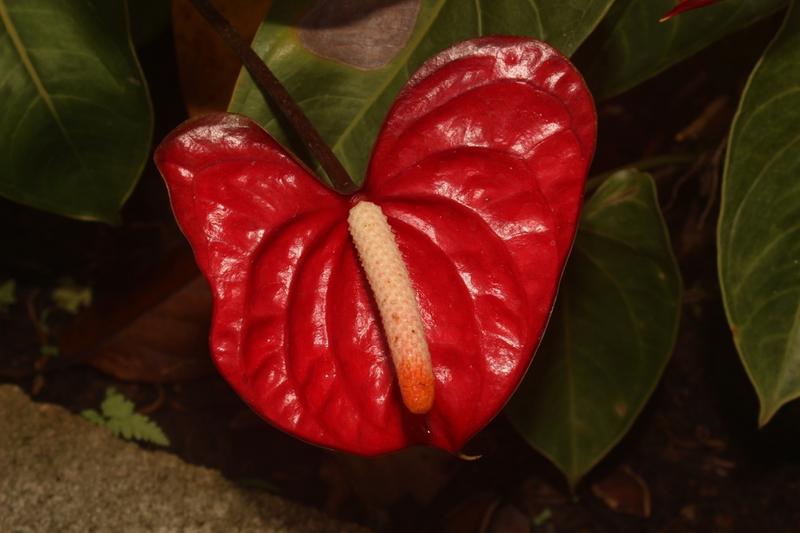
Quick facts
- Watering
- Weekly during growing season
- Sunlight
- Bright indirect light
- Soil
- Free-draining, orchid-type compost
- Humans
- Toxic
- Cats
- Toxic
- Dogs
- Toxic
- Height
- 30–60 cm
- Spread
- 25–40 cm
- Spacing
- 30–40 cm apart
About Anthurium
Anthurium is a striking tropical houseplant native to Colombia and Ecuador, prized for its glossy, heart-shaped red spathes and dark green foliage. In the UK, it thrives as an indoor plant, bringing year-round colour to homes and conservatories where central heating mimics its natural humid environment. The long-lasting 'flowers' (actually modified leaves) make it a popular choice for British houseplant enthusiasts seeking exotic appeal. With proper care, anthuriums can bloom continuously throughout the year, making them excellent value for UK growers.
UK fact: Anthurium andraeanum has been a popular houseplant in British homes since Victorian times, when it was cultivated in heated glasshouses and featured in prestigious plant collections at Kew Gardens.
Watering Anthurium
Water your anthurium when the top layer of compost feels dry to the touch, typically once a week in spring and summer, reducing to fortnightly in autumn and winter when growth slows. Use tepid water to avoid shocking the roots, and ensure excess drains freely from the pot to prevent root rot. In centrally heated UK homes, mist the foliage regularly or place the pot on a pebble tray to maintain humidity levels around 60–80%. Reduce watering significantly during the darker winter months when the plant's water requirements decrease.
Sunlight requirements
Position your anthurium within 1–2 metres of an east or north-facing window in UK homes, where it receives plenty of ambient light without harsh direct rays. South-facing windows work well if filtered through sheer curtains, particularly during summer months. Avoid dark corners, as insufficient light will reduce flowering and cause leggy growth.
Soil and feeding
Use a specialist orchid compost or create your own mix using equal parts peat-free multipurpose compost, orchid bark, and perlite for optimal drainage. The pH should be slightly acidic, between 5.5 and 6.5, which suits the plant's tropical origins. Repot every two years in spring, choosing a pot only slightly larger than the previous one, as anthuriums prefer being slightly pot-bound. Ensure the container has adequate drainage holes to prevent water accumulation.
Apply a balanced liquid houseplant feed at half strength every two weeks from March through September when the plant is actively growing and flowering. Switch to a high-phosphorus fertiliser (such as tomato feed) during peak flowering periods to encourage more vibrant spathes. Cease feeding from October to February when growth naturally slows in response to reduced light levels.
Pruning Anthurium
Snip off faded spathes at the base of the stem using clean, sharp secateurs once they turn green or brown, typically 4–6 weeks after flowering. Remove any yellowing or damaged leaves by cutting them close to the base to prevent fungal issues and maintain the plant's neat appearance. Wipe the glossy leaves monthly with a damp cloth to remove dust and allow efficient photosynthesis. If the plant becomes leggy, you can trim back stems in spring, though anthuriums naturally maintain a compact habit.
Propagating Anthurium
The most reliable propagation method for UK growers is division during the spring repotting period, when the plant has multiple crowns or offsets. Carefully separate rooted sections, ensuring each division has at least two leaves and a healthy root system. Stem cuttings can also be taken, though they require high humidity and warmth to root successfully. Root divisions in the same free-draining compost mix used for mature plants, keeping them warm and humid until established.
Common problems
Anthuriums are susceptible to red spider mite in dry, centrally heated UK homes, causing stippled leaves and fine webbing; increase humidity and mist regularly to deter them. Root rot is common if the compost remains waterlogged, particularly in winter, leading to yellowing leaves and mushy stems. Brown leaf tips typically indicate low humidity or fluoride in tap water; use filtered or rainwater and mist frequently. Scale insects occasionally appear on stems and leaf undersides, requiring removal with a damp cloth or treatment with horticultural soap.
Spot a problem with your plant? Photograph the affected area using the Loam app and it will suggest the most likely cause and treatment.
Safety
- Humans
-
Toxic
All parts contain calcium oxalate crystals that cause mouth and throat irritation, swelling, and difficulty swallowing if ingested. Keep away from children.
- Cats
-
Toxic
Causes oral irritation, drooling, vomiting, and difficulty swallowing due to calcium oxalate crystals. Seek veterinary attention if ingested.
- Dogs
-
Toxic
Contains calcium oxalate crystals causing mouth pain, excessive drooling, vomiting, and difficulty swallowing. Contact your vet if consumed.
Toxicity information is for general guidance only. If a person or pet has been exposed to this plant and you are concerned, seek advice from a medical professional or vet.
Seasonal care calendar
Monthly care guide for Anthurium in the UK, based on average conditions.
| Month | Care tasks |
|---|---|
| January | Reduce watering to fortnightly. Maintain temperatures above 16°C. Mist foliage if central heating causes dry air. |
| February | Continue minimal watering. Check for pests in warm indoor conditions. Remove any yellowing leaves. |
| March | Increase watering as light levels rise. Begin fortnightly feeding. Ideal time to repot if rootbound. |
| April | Resume weekly watering. Continue feeding. Propagate by division if repotting. Wipe leaves to remove dust. |
| May | Maintain regular watering and feeding schedule. Peak flowering period begins. Increase humidity through misting. |
| June | Water weekly, more frequently in hot weather. Feed fortnightly. Remove spent flowers promptly. Monitor for spider mites. |
| July | Continue regular watering and feeding. Provide shade from intense midday sun. Maintain high humidity levels. |
| August | Water and feed as usual. Deadhead faded spathes. Check undersides of leaves for scale insects. |
| September | Reduce feeding to monthly as growth slows. Continue weekly watering. Clean leaves to maximise light absorption. |
| October | Stop feeding. Reduce watering frequency to fortnightly. Ensure minimum temperature of 16°C as heating comes on. |
| November | Water sparingly, allowing compost to dry slightly between waterings. Maintain humidity around radiators. Remove dead foliage. |
| December | Minimal watering required. Keep away from cold draughts and windows. Mist occasionally if air is very dry. |
Frequently asked questions
- How do I increase humidity for my anthurium in winter?
- UK homes with central heating often drop to 30–40% humidity in winter, far below the 60–80% anthuriums need. Group plants together, place on trays filled with pebbles and water (ensuring the pot base sits above water level), or use a humidifier. Mist foliage daily with tepid water, preferably in the morning. Position away from radiators and draughts, which further dry the air.
- Why is my anthurium not growing or producing new leaves?
- Slow or stunted growth can result from insufficient light, low temperatures, nutrient deficiency, or being pot-bound. Check your plant receives bright, indirect light and temperatures above 18°C. Feed monthly during spring and summer with a balanced houseplant fertiliser. If multiple issues are present, the Loam app can diagnose specific problems through photos and provide personalised care schedules to get your anthurium thriving again.
- Can I propagate anthurium from cuttings?
- Anthuriums are best propagated by division rather than cuttings. In spring, carefully remove the plant from its pot and separate sections with at least two leaves and healthy roots attached. Plant each division in orchid compost mix in appropriately sized pots. Stem cuttings rarely succeed as anthuriums don't root reliably from leaf or stem material alone. Keep newly divided plants warm (20–24°C) and humid until established.
Got a question about growing Anthurium that isn't covered here? Ask the Garden Advisor in the Loam app. It knows your saved plants and local conditions.
Related plants
This page was compiled with AI assistance and reviewed by our team. .