Chinese Evergreen
Aglaonema commutatum
Houseplants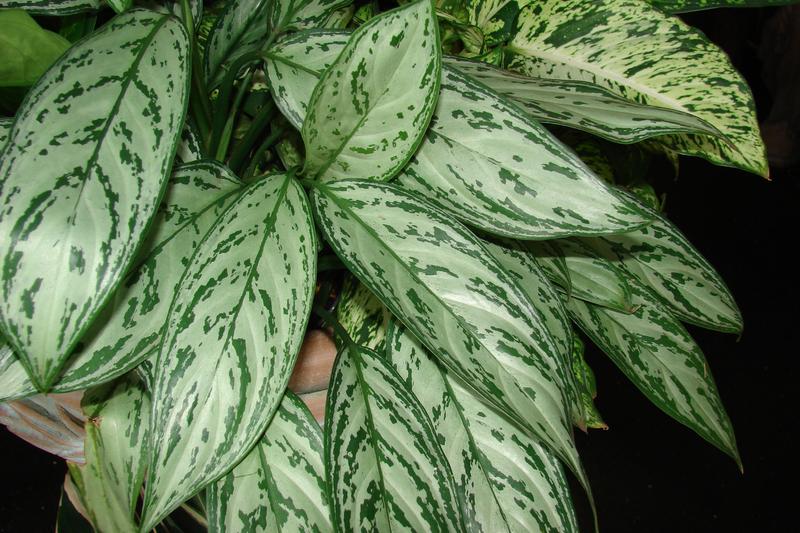
Quick facts
- Watering
- Weekly during growing season
- Sunlight
- Bright indirect light to shade
- Soil
- Well-draining peat-free compost
- Humans
- Toxic
- Cats
- Toxic
- Dogs
- Toxic
- Height
- 30–90 cm
- Spread
- 30–60 cm
- Spacing
- 40–50 cm apart
About Chinese Evergreen
Chinese Evergreen is a popular tropical houseplant prized for its attractive, variegated foliage featuring silver-green patterns on broad, lance-shaped leaves. Native to the tropical forests of Southeast Asia, this resilient plant has become a favourite amongst UK gardeners for its tolerance of low light and neglect, making it ideal for offices and north-facing rooms. Its compact growth habit and air-purifying qualities have secured its place as one of Britain's most reliable indoor plants. The plant rarely flowers indoors in the UK, but when it does, it produces small, inconspicuous spadix blooms similar to peace lilies.
UK fact: Chinese Evergreen became particularly popular in British homes during the 1970s houseplant boom and remains a staple in the RHS's recommended plants for improving indoor air quality, particularly valued in UK homes for thriving in centrally heated rooms with limited natural light.
Watering Chinese Evergreen
Allow the top layer of compost to dry out between waterings, typically once weekly from April to September, reducing to fortnightly or less during the British winter. Overwatering is the most common cause of failure, leading to root rot and yellowing leaves. Use tepid water rather than cold tap water, and ensure pots have drainage holes. In centrally heated UK homes, mist the foliage occasionally during winter to maintain humidity, or stand pots on trays of moist pebbles.
Sunlight requirements
Chinese Evergreen tolerates low light better than most houseplants, though variegated varieties maintain better colouration in bright, indirect light. Avoid direct sunlight, which scorches the leaves, particularly through south-facing windows during summer months. In UK homes, position away from windowsills but within 2-3 metres of a window, or use artificial lighting in darker rooms.
Soil and feeding
Use a quality peat-free houseplant compost mixed with perlite or orchid bark (roughly 2:1 ratio) to improve drainage and aeration. Chinese Evergreen prefers slightly acidic to neutral conditions (pH 5.5-6.5), which most commercial houseplant composts provide. Avoid heavy, compacted compost that retains too much moisture. Repot every 2-3 years in spring, moving up only one pot size, as these plants prefer being slightly pot-bound.
Apply a balanced liquid fertiliser (such as 10-10-10 NPK) at half the recommended strength every 4 weeks from April through September. Cease feeding entirely from October to March when the plant enters its dormant period. Overfertilising causes brown leaf tips and salt buildup in the compost, so err on the side of underfeeding rather than overfeeding.
Pruning Chinese Evergreen
Chinese Evergreen requires very little pruning beyond basic maintenance. Remove any yellowing, browning, or damaged leaves by cutting them off at the base with clean, sharp scissors or secateurs. Wipe the blades with diluted disinfectant between cuts to prevent disease spread. If the plant becomes leggy or loses lower leaves with age, you can cut back stems to 10-15 cm above the compost line in spring to encourage bushier growth. Dust leaves regularly with a damp cloth to keep them clean and able to photosynthesise efficiently in low-light UK conditions.
Propagating Chinese Evergreen
The most reliable method for UK gardeners is division during repotting in spring, separating rooted offsets from the parent plant. Stem cuttings also root readily in water or moist compost during warmer months (May-August). Propagation is best undertaken when indoor temperatures remain consistently above 18°C. Success rates are high, making Chinese Evergreen an excellent plant for sharing with fellow gardeners.
Common problems
Chinese Evergreen is generally trouble-free but can suffer from spider mites in dry, centrally heated UK homes, particularly during winter—increase humidity and wipe leaves regularly to prevent infestations. Overwatering leads to root rot, evidenced by yellowing leaves and mushy stems; always allow compost to dry slightly between waterings. Brown leaf tips typically indicate low humidity, fluoride in tap water, or salt buildup from overfertilising; use filtered or rainwater and flush compost occasionally. Mealybugs occasionally appear in leaf axils and can be removed with cotton buds dipped in diluted washing-up liquid or horticultural soap.
Spot a problem with your plant? Photograph the affected area using the Loam app and it will suggest the most likely cause and treatment.
Safety
- Humans
-
Toxic
Contains calcium oxalate crystals which cause mouth and throat irritation, swelling, and difficulty swallowing if ingested. Keep away from children.
- Cats
-
Toxic
Contains calcium oxalate crystals causing oral irritation, drooling, vomiting, and difficulty swallowing. Keep out of reach of cats.
- Dogs
-
Toxic
Contains calcium oxalate crystals causing oral pain, excessive drooling, vomiting, and difficulty swallowing. Keep away from dogs.
Toxicity information is for general guidance only. If a person or pet has been exposed to this plant and you are concerned, seek advice from a medical professional or vet.
Seasonal care calendar
Monthly care guide for Chinese Evergreen in the UK, based on average conditions.
| Month | Care tasks |
|---|---|
| January | Reduce watering to minimum; water only when compost is nearly dry. No feeding required. Keep away from cold draughts and windows. |
| February | Continue minimal watering. Check for spider mites in dry, heated rooms. Wipe leaves to remove dust and improve light absorption. |
| March | Begin increasing watering frequency slightly as days lengthen. Ideal time to repot if roots are emerging from drainage holes. Remove any winter-damaged leaves. |
| April | Resume monthly feeding with diluted liquid fertiliser. Increase watering as new growth emerges. Good time for propagation by division or cuttings. |
| May | Water weekly as temperatures rise. Continue monthly feeding. Take stem cuttings for propagation. Mist foliage occasionally to increase humidity. |
| June | Maintain regular watering and feeding schedule. Monitor for pests as growth is vigorous. Ensure plant isn't in direct sunlight through windows. |
| July | Peak growing season—water when top compost dries. Feed monthly. Wipe leaves clean. Propagate from stem cuttings if desired. |
| August | Continue regular watering and monthly feeding. Last opportunity for successful propagation before autumn. Check for mealybugs in leaf axils. |
| September | Begin reducing watering frequency slightly. Give final feed of the season mid-month. Remove any yellowing older leaves at the base. |
| October | Reduce watering as growth slows. Stop feeding. Move away from cold windows as nights cool. Check for spider mites as heating begins. |
| November | Water sparingly—allow compost to dry between waterings. No feeding. Maintain temperatures above 15°C. Increase humidity if central heating is on. |
| December | Minimal watering required. Keep away from cold draughts and radiators. Wipe leaves occasionally. No feeding needed during dormancy. |
Frequently asked questions
- Why are the leaves on my Chinese Evergreen turning yellow?
- Yellowing leaves usually indicate overwatering, particularly during winter months. Allow the top 3-5 cm of compost to dry between waterings and ensure your pot has adequate drainage. Occasional lower leaf yellowing is natural as the plant ages.
- How do I know if my Chinese Evergreen is getting the right care?
- Chinese Evergreens need consistent moisture without waterlogging, bright indirect light, and moderate humidity. Signs of incorrect care include yellowing leaves (overwatering), brown tips (low humidity or water quality issues), or leggy growth (insufficient light). The Loam app can help you track watering schedules, diagnose problems from photos, and receive personalised care reminders based on your home conditions.
- How do I propagate Chinese Evergreen?
- The easiest method is division during repotting in spring. Gently separate the root ball into sections, ensuring each has several stems and healthy roots. Plant divisions in fresh, well-draining houseplant compost and keep warm (18-24°C) with consistent moisture until established. Alternatively, take stem cuttings with at least two nodes and root in water or moist compost.
Got a question about growing Chinese Evergreen that isn't covered here? Ask the Garden Advisor in the Loam app. It knows your saved plants and local conditions.
Related plants
This page was compiled with AI assistance and reviewed by our team. .