Dracaena
Dracaena marginata
Houseplants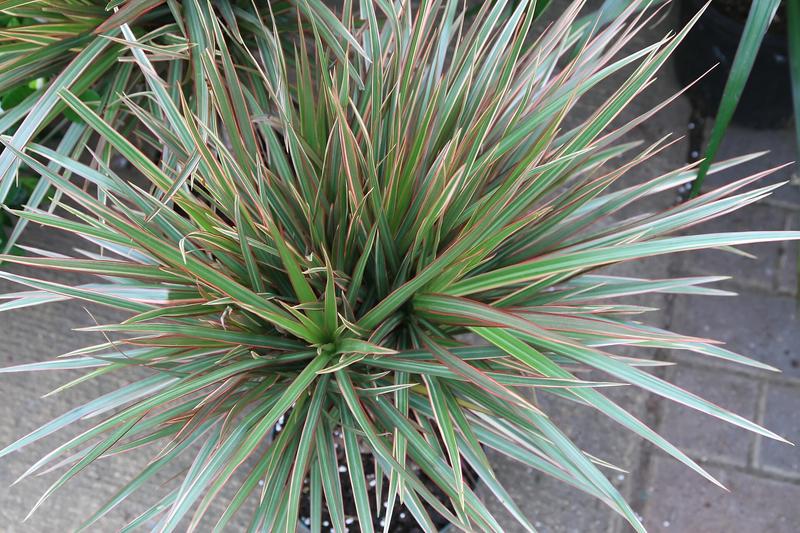
Quick facts
- Watering
- Fortnightly during growing season
- Sunlight
- Bright indirect light
- Soil
- Well-drained, peat-free multipurpose compost
- Humans
- Toxic
- Cats
- Toxic
- Dogs
- Toxic
- Height
- 100–200 cm
- Spread
- 30–60 cm
- Spacing
- 40–60 cm apart
About Dracaena
Dracaena marginata is an elegant, architectural houseplant native to Madagascar, characterised by its slender stems topped with rosettes of narrow, arching leaves edged in deep red. This low-maintenance evergreen has become a staple in British homes and offices, valued for its tolerance of neglect and ability to thrive in low light conditions. Its striking vertical form makes it ideal for adding height to interior displays, whilst its air-purifying qualities have made it increasingly popular amongst UK houseplant enthusiasts. The plant's resilience and dramatic appearance have secured its place as one of the most reliable indoor plants for British growers.
UK fact: Dracaena marginata gained widespread popularity in British homes during the 1980s houseplant boom and remains one of the top-selling architectural houseplants at UK garden centres, particularly valued for its ability to tolerate the dry air of centrally heated British homes.
Watering Dracaena
Allow the top third of the compost to dry out between waterings, typically every 10–14 days during spring and summer, extending to every 3–4 weeks in winter. Dracaenas are sensitive to fluoride in tap water, which can cause brown leaf tips; use filtered or rainwater where possible, or allow tap water to stand overnight before use. Water thoroughly until excess drains from the pot, but never allow the plant to sit in standing water, as this quickly leads to root rot. British tap water in hard-water areas may cause leaf-tip browning over time, so occasional flushing with rainwater helps prevent mineral build-up.
Sunlight requirements
Position your dracaena in bright, indirect light for best growth, ideally near an east or north-facing window where it receives gentle morning sun or consistent ambient light. Avoid direct sunlight, particularly through south-facing windows during summer months, as this can scorch the delicate leaf margins. The plant will tolerate shadier positions, though growth will slow and the distinctive red leaf edges may fade slightly in very low light conditions.
Soil and feeding
Plant in a well-draining, peat-free multipurpose compost amended with approximately 20% perlite, horticultural grit, or orchid bark to improve aeration and drainage. Dracaenas prefer a slightly acidic to neutral pH of 6.0–6.5, which most quality houseplant composts naturally provide. Avoid heavy, moisture-retentive mixes that can lead to root rot, particularly important in the cooler, darker months of the British winter when evaporation rates are low. Repot every 2–3 years in spring, moving up only one pot size to prevent the compost staying too wet.
Apply a balanced liquid fertiliser (such as 10-10-10 NPK) at half the recommended strength every 4 weeks during the growing season from April through September. Cease feeding entirely from October to March when growth naturally slows in response to reduced light levels typical of British winters. Over-feeding can cause salt build-up in the compost and lead to brown leaf tips, so err on the side of under-feeding rather than over-feeding.
Pruning Dracaena
Remove yellowing or damaged lower leaves by cutting cleanly at the base with sharp, sterilised secateurs throughout the year as needed. To control height or encourage branching, cut the main stem at your desired height during spring; new shoots will emerge below the cut, creating a multi-headed plant. Wipe the cut surface with cinnamon or allow it to callous over naturally to prevent infection. Pruned stem sections can be used for propagation, making this an excellent opportunity to create new plants whilst maintaining your specimen's shape.
Propagating Dracaena
The most reliable propagation method is stem cuttings taken during the active growing season from April to July when temperatures are warmer and rooting occurs more quickly. Cut sections of stem 10–15cm long, ensuring each has at least one node, and either root in water until roots reach 3–5cm before potting, or insert directly into moist, well-draining compost. Air layering is also successful for larger specimens, though stem cuttings remain the simplest method for most UK growers. Maintain temperatures of 20–24°C and high humidity by covering cuttings with a clear plastic bag or propagator lid to encourage rooting within 4–6 weeks.
Common problems
Dracaenas are generally trouble-free but can suffer from brown leaf tips caused by fluoride or chlorine in tap water, low humidity, or inconsistent watering—common in centrally heated British homes during winter. Spider mites and mealybugs occasionally infest plants, particularly in warm, dry conditions; treat promptly with insecticidal soap or neem oil. Overwatering is the most serious issue, leading to root rot characterised by yellowing leaves and mushy stems; always ensure pots have drainage holes and allow compost to dry between waterings. Leaf spot diseases rarely occur but can develop in poorly ventilated, overly humid conditions.
Spot a problem with your plant? Photograph the affected area using the Loam app and it will suggest the most likely cause and treatment.
Safety
- Humans
-
Toxic
Mildly toxic if ingested, containing saponins that can cause nausea, vomiting, and drooling. Keep away from young children.
- Cats
-
Toxic
Toxic to cats, causing vomiting, drooling, loss of appetite, and dilated pupils. Seek veterinary attention if ingestion occurs.
- Dogs
-
Toxic
Toxic to dogs, causing vomiting, drooling, loss of appetite, and depression. Contact your vet immediately if consumed.
Toxicity information is for general guidance only. If a person or pet has been exposed to this plant and you are concerned, seek advice from a medical professional or vet.
Seasonal care calendar
Monthly care guide for Dracaena in the UK, based on average conditions.
| Month | Care tasks |
|---|---|
| January | Reduce watering to every 3–4 weeks. Maintain temperatures above 15°C and avoid cold draughts from windows. |
| February | Continue minimal watering. Wipe dust from leaves to maximise light absorption during short winter days. |
| March | Begin increasing watering frequency as light levels improve. Check for pests emerging as temperatures rise. |
| April | Resume monthly feeding with diluted liquid fertiliser. Ideal time to repot if rootbound, moving up one pot size. |
| May | Water when top 5cm of compost dries. Continue monthly feeding. Take stem cuttings for propagation. |
| June | Maintain regular watering and feeding schedule. Monitor for spider mites in warm weather and mist occasionally. |
| July | Peak growing season—water fortnightly and feed monthly. Prune to control height or encourage branching. |
| August | Continue regular care routine. Last opportunity for successful propagation before autumn. |
| September | Final feed of the season. Begin reducing watering frequency as growth slows and light levels decrease. |
| October | Stop feeding. Water less frequently, allowing compost to dry more between waterings as heating comes on. |
| November | Reduce watering to every 3 weeks. Ensure plant is away from cold windows and radiators. |
| December | Minimal watering required. Remove any yellowing lower leaves and maintain stable temperatures above 15°C. |
Frequently asked questions
- How do I propagate my dracaena from cuttings?
- Cut a healthy stem section 10–20cm long using clean secateurs, remove lower leaves, and place in water or moist compost. Roots typically develop within 3–4 weeks in a warm spot with bright, indirect light. Change water weekly if rooting in water, then pot up once roots reach 2–3cm long. Spring and early summer offer the best success rates.
- Why are the tips of my dracaena's leaves turning brown?
- Brown leaf tips are typically caused by fluoride or chlorine in tap water, low humidity, or inconsistent watering. The Loam app can help diagnose the specific cause by analysing your care routine and environment, then send you personalised watering reminders to prevent future browning. Switch to filtered or rainwater and mist occasionally for best results.
- How often should I water my dracaena?
- Water when the top 3–5cm of compost feels dry to the touch, typically every 1–2 weeks in summer and every 3–4 weeks in winter. Frequency depends on your home's temperature, humidity, and light levels, so always check the soil before watering rather than following a fixed schedule. Overwatering causes more problems than underwatering with dracaenas.
Got a question about growing Dracaena that isn't covered here? Ask the Garden Advisor in the Loam app. It knows your saved plants and local conditions.
Related plants
This page was compiled with AI assistance and reviewed by our team. .