Snake Plant
Dracaena trifasciata
Houseplants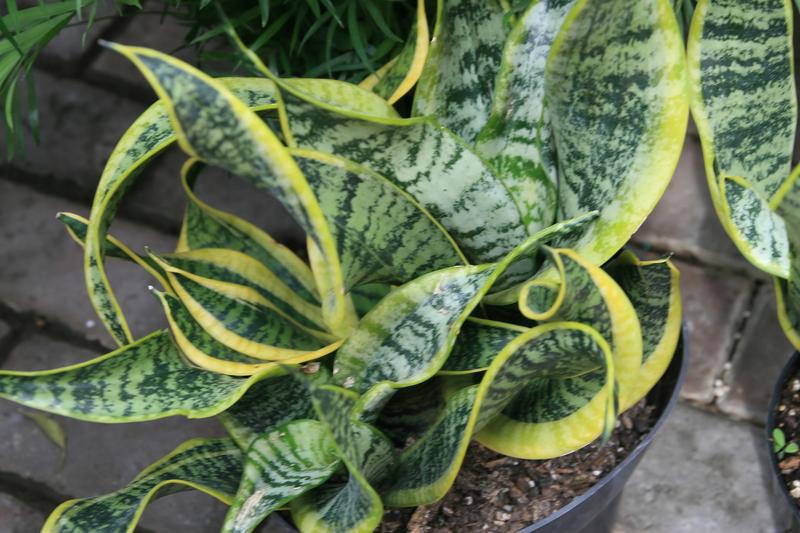
Quick facts
- Watering
- Fortnightly in summer, monthly in winter
- Sunlight
- Bright indirect to low light
- Soil
- Free-draining, gritty compost
- Humans
- Toxic
- Cats
- Toxic
- Dogs
- Toxic
- Height
- 30–120 cm
- Spread
- 15–60 cm
- Spacing
- 30–45 cm apart
About Snake Plant
The snake plant is an architectural evergreen houseplant with striking sword-shaped leaves marked with horizontal grey-green bands. Native to West Africa, it has become one of the most popular and forgiving houseplants for UK homes, thriving in low light and tolerating neglect better than most indoor plants. British gardeners prize it for its air-purifying qualities and bold structural form that suits both modern and traditional interiors. Its upright habit makes it ideal for narrow spaces, hallways, and corners where other plants might struggle.
UK fact: Snake plants were hugely popular in Victorian Britain, displayed in parlours and conservatories as exotic curiosities, and have experienced a major resurgence in UK homes since 2015 as part of the houseplant renaissance.
Watering Snake Plant
Snake plants are highly drought-tolerant and prefer to be underwatered rather than overwatered. During the growing season (April to September), water every 2-3 weeks, allowing the compost to dry out completely between waterings. In winter, when growth slows and UK homes are cooler, reduce watering to once a month or even less. Always check the soil is dry several centimetres down before watering, and ensure excess water drains freely from the pot. Overwatering, particularly in winter, leads to root rot and is the primary cause of snake plant death in UK homes.
Sunlight requirements
Snake plants adapt remarkably well to various light levels, though they grow most vigorously in bright, indirect light such as near north-facing windows or a few metres back from south-facing windows. They tolerate low-light conditions better than most houseplants, making them suitable for hallways, bathrooms, and offices with limited natural light. Avoid direct midday sun through south-facing windows during summer, which can scorch the leaves and fade their variegation.
Soil and feeding
Snake plants must have excellent drainage and will quickly succumb to root rot in heavy, moisture-retentive compost. Use a specialist cactus and succulent compost, or mix standard peat-free houseplant compost with horticultural grit or perlite in a 2:1 ratio. The compost should feel light and drain freely when watered. Snake plants tolerate a wide pH range (5.5-7.5) and aren't particularly fussy about nutrients, making them ideal for beginners. Repot only when the plant becomes severely pot-bound, typically every 3-5 years, as they flower more readily when slightly restricted.
Apply a balanced liquid houseplant fertiliser diluted to half strength once every 4-6 weeks from April to September. Avoid feeding in autumn and winter when growth naturally slows in response to lower UK light levels. Overfertilising can cause leaf tip burn and weaken the plant's natural resilience.
Pruning Snake Plant
Snake plants require very little pruning and naturally maintain their architectural form. Remove any damaged, yellowing, or dying leaves by cutting them off cleanly at soil level with sharp, clean secateurs or scissors. If a leaf tip becomes brown or damaged, you can trim it to a point with clean scissors to restore the natural shape. Avoid cutting healthy leaves unnecessarily, as this can create entry points for disease. Older leaves naturally die back over time and should be removed to keep the plant looking tidy and to prevent fungal issues in the crown.
Propagating Snake Plant
Snake plants propagate readily through division when repotting, which is the fastest method and preserves variegation in cultivars. Alternatively, healthy leaves can be cut into 5-8cm sections and inserted into gritty compost, though variegated forms may revert to plain green when propagated this way. Rhizome division is ideal for established clumps and produces independent plants immediately. Spring and early summer are the best times for propagation in the UK, when warmer temperatures and increasing light levels encourage root development.
Common problems
Snake plants are remarkably trouble-free but can suffer from root rot if overwatered, particularly in cold UK winters when growth slows. Mealybugs and spider mites occasionally infest plants, especially in dry, centrally heated homes; treat with insecticidal soap or wipe leaves with diluted washing-up liquid. Brown leaf tips usually indicate irregular watering, low humidity, or fluoride in tap water; use rainwater or filtered water if this persists. Fungal leaf spot can occur in poorly ventilated, damp conditions; improve air circulation and remove affected leaves promptly.
Spot a problem with your plant? Photograph the affected area using the Loam app and it will suggest the most likely cause and treatment.
Safety
- Humans
-
Toxic
Mildly toxic if ingested, containing saponins that can cause nausea, vomiting, and diarrhoea. The sap may cause skin irritation in sensitive individuals. Keep out of reach of young children.
- Cats
-
Toxic
Toxic to cats. Contains saponins that cause vomiting, diarrhoea, drooling, and lethargy if ingested. Contact your vet if your cat has eaten any part of the plant.
- Dogs
-
Toxic
Toxic to dogs. Ingestion causes vomiting, diarrhoea, excessive drooling, and abdominal pain due to saponin content. Seek veterinary advice if your dog has consumed any leaves.
Toxicity information is for general guidance only. If a person or pet has been exposed to this plant and you are concerned, seek advice from a medical professional or vet.
Seasonal care calendar
Monthly care guide for Snake Plant in the UK, based on average conditions.
| Month | Care tasks |
|---|---|
| January | Minimal care required. Water very sparingly, only if compost is bone dry. Keep away from cold draughts and frosty windows. |
| February | Continue minimal watering regime. Check for pests in warm, dry homes. Wipe dust from leaves to maximise light absorption. |
| March | Growth begins to resume as light levels increase. Gradually increase watering frequency. Good time to repot if severely pot-bound. |
| April | Resume regular watering as temperatures rise. Begin monthly feeding with diluted liquid fertiliser. Ideal month for propagation and division. |
| May | Active growing period. Water when compost dries out, typically every 2 weeks. Continue feeding. Take leaf cuttings if propagating. |
| June | Peak growing season. Maintain regular watering and feeding schedule. Move away from intense direct sun through south-facing windows. |
| July | Continue summer care routine. Monitor for spider mites in hot, dry conditions. Mature plants may produce fragrant white flower spikes. |
| August | Maintain watering and feeding. Last opportunity for propagation before autumn. Check for mealybugs in leaf axils. |
| September | Begin reducing watering frequency as growth slows. Give final feed of the season. Bring any plants summered outdoors back inside. |
| October | Reduce watering to monthly as temperatures drop. Stop feeding. Ensure plants are in stable positions away from cold windows. |
| November | Minimal watering required. Check compost is dry before watering. Wipe leaves to remove dust and maintain appearance. |
| December | Water very sparingly, perhaps once during the month. Keep away from cold draughts and radiators. Minimal care needed. |
Frequently asked questions
- Why are the leaves on my snake plant turning yellow?
- Yellowing leaves are almost always caused by overwatering, particularly in winter. Allow the compost to dry out completely between waterings and ensure the pot has drainage holes. Remove affected leaves at the base and reduce watering frequency.
- How do I know when my snake plant needs watering?
- Snake plants should only be watered when the compost is completely dry, which might be every 2-4 weeks in summer and monthly or less in winter. Check by inserting your finger 5cm into the soil—if it feels at all damp, wait longer. The Loam app can send you personalised watering reminders based on your home conditions and help you diagnose if you're over or underwatering.
- How do I propagate my snake plant?
- Snake plants propagate easily through leaf cuttings or division. For leaf cuttings, cut a healthy leaf into 5-8cm sections, let them callus for a day, then insert cut-end down into gritty compost. Division is faster: remove the plant from its pot and separate rooted sections with a clean knife. Spring and summer are the best times for propagation, and new plants may take 2-3 months to root.
Got a question about growing Snake Plant that isn't covered here? Ask the Garden Advisor in the Loam app. It knows your saved plants and local conditions.
Related plants
This page was compiled with AI assistance and reviewed by our team. .