Aloe Vera
Aloe vera
Houseplants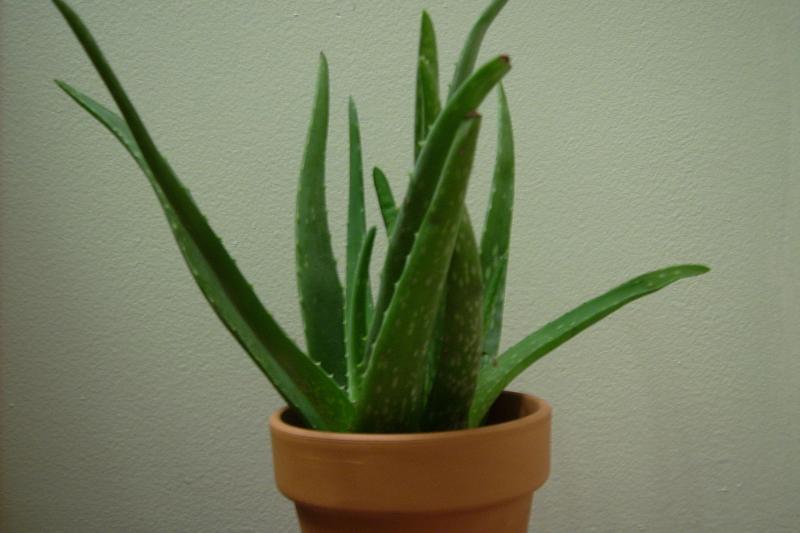
Quick facts
- Watering
- Fortnightly in growing season
- Sunlight
- Full sun to partial shade
- Soil
- Well-drained, gritty cactus compost
- Humans
- Toxic
- Cats
- Toxic
- Dogs
- Toxic
- Height
- 30–60 cm
- Spread
- 30–60 cm
- Spacing
- 30–40 cm apart
About Aloe Vera
Aloe Vera is a succulent houseplant prized for its fleshy, lance-shaped leaves filled with soothing gel. Native to the Arabian Peninsula, it has been cultivated for centuries for its medicinal and cosmetic properties. UK gardeners value it as an easy-care indoor plant that thrives on a sunny windowsill and requires minimal watering. Its architectural rosette form and occasional spikes of tubular yellow flowers make it an attractive addition to any home.
UK fact: Aloe Vera has been grown in British glasshouses and conservatories since Victorian times, when exotic succulents became fashionable among plant collectors, though it must remain indoors year-round in the UK climate.
Watering Aloe Vera
During spring and summer, water thoroughly every 10-14 days, ensuring the pot drains completely and never sits in water. In autumn and winter, reduce watering to once monthly or less, as the plant enters dormancy and requires very little moisture. Always check that the top 5cm of compost is completely dry before watering again. UK tap water is generally suitable, though rainwater is ideal if available.
Sunlight requirements
Position your Aloe Vera on a south-facing or west-facing windowsill where it will receive at least 4-6 hours of bright light daily. In the UK, plants can be moved outdoors to a sunny patio during summer months (June to September) but must be brought inside before autumn frosts. If leaves turn brown, reduce direct sun exposure slightly; pale or stretched growth indicates insufficient light.
Soil and feeding
Aloe Vera requires extremely free-draining growing medium to prevent root rot. A 50:50 mix of multipurpose peat-free compost and horticultural grit or sharp sand works well, or use a proprietary cactus compost. The pH should be slightly acidic to neutral (6.0-7.0). Ensure pots have drainage holes and consider adding a layer of gravel at the base for extra drainage.
Apply a balanced liquid cactus feed diluted to half strength once a month from April to September. Avoid feeding during autumn and winter when the plant is dormant, as this can cause weak, leggy growth and salt build-up in the compost.
Pruning Aloe Vera
Aloe Vera requires minimal pruning beyond removing brown, dried, or damaged leaves by cutting cleanly at the base with a sharp knife. Outer leaves can be harvested for their gel once the plant is at least three years old; cut close to the base and use immediately. Remove spent flower stalks after blooming. If the plant becomes leggy or top-heavy, it may need repotting rather than pruning.
Propagating Aloe Vera
The simplest method is to separate offsets or pups that develop at the base of the parent plant. These can be removed when they reach about 5-8cm tall and have developed their own root system. Allow the cut surfaces to callus over for 1-2 days before potting to prevent rot. Plant in gritty, well-drained cactus compost and water sparingly until established.
Common problems
Aloe Vera is generally trouble-free but can suffer from root rot if overwatered, particularly in winter when growth slows. Brown leaf tips often indicate underwatering or low humidity, whilst soft, mushy leaves signal overwatering or poor drainage. Mealybugs occasionally infest leaf joints and can be removed with a cotton bud dipped in methylated spirits. Scale insects may also appear on leaves and should be scraped off carefully.
Spot a problem with your plant? Photograph the affected area using the Loam app and it will suggest the most likely cause and treatment.
Safety
- Humans
-
Toxic
The latex layer just beneath the leaf skin contains aloin, which can cause digestive upset if ingested. The clear gel is generally considered safe for topical use.
- Cats
-
Toxic
Aloe Vera contains saponins and anthraquinones that can cause vomiting, diarrhoea, lethargy, and tremors in cats if ingested.
- Dogs
-
Toxic
Toxic to dogs, causing vomiting, diarrhoea, loss of appetite, and changes in urine colour due to saponins and anthraquinones in the leaves.
Toxicity information is for general guidance only. If a person or pet has been exposed to this plant and you are concerned, seek advice from a medical professional or vet.
Seasonal care calendar
Monthly care guide for Aloe Vera in the UK, based on average conditions.
| Month | Care tasks |
|---|---|
| January | Keep in a warm, bright position. Water very sparingly, only if compost is bone dry. No feeding required. |
| February | Maintain minimal watering regime. Check for pests in warm indoor conditions. Ensure adequate light on dull days. |
| March | Begin to increase watering slightly as days lengthen. Repot if rootbound, using fresh cactus compost. |
| April | Resume regular fortnightly watering. Begin monthly feeding with diluted cactus fertiliser. Propagate offsets if desired. |
| May | Continue regular watering and feeding. Move outdoors to a sunny patio if temperatures remain above 10°C at night. |
| June | Water every 10-14 days during warm weather. Feed monthly. Watch for flower spikes developing on mature plants. |
| July | Maintain regular watering and feeding schedule. Ensure pots drain freely during summer rainfall if kept outdoors. |
| August | Continue summer care regime. Remove any spent flower stalks. Check for signs of sunburn on very hot days. |
| September | Bring outdoor plants inside before night temperatures drop below 10°C. Reduce watering frequency gradually. |
| October | Stop feeding. Water only when compost is completely dry, approximately every 3-4 weeks. |
| November | Reduce watering to monthly or less. Ensure plants receive maximum available light during short days. |
| December | Keep warm and dry. Water very sparingly. Avoid cold draughts from windows and doors. |
Frequently asked questions
- How often should I water my Aloe Vera in winter?
- Water very sparingly in winter, approximately once a month or even less. The compost should be completely dry before watering again, as overwatering during dormancy is the main cause of root rot in UK homes.
- Why are the leaves on my Aloe Vera turning soft and mushy?
- Soft, mushy leaves are typically a sign of overwatering or root rot. Check the roots for black or brown decay, and reduce watering immediately. If you're unsure about watering schedules or need help diagnosing plant problems, the Loam app can provide personalised care reminders and identify issues before they become serious.
- How do I propagate Aloe Vera from pups?
- Wait until pups are at least 5-8cm tall with their own roots, then carefully separate them from the mother plant using a clean, sharp knife. Allow the cut surfaces to callous over for 1-2 days, then pot in cactus compost. Water lightly after a week and treat as a mature plant once established.
Got a question about growing Aloe Vera that isn't covered here? Ask the Garden Advisor in the Loam app. It knows your saved plants and local conditions.
Related plants
This page was compiled with AI assistance and reviewed by our team. .