Jade Plant
Crassula ovata
Houseplants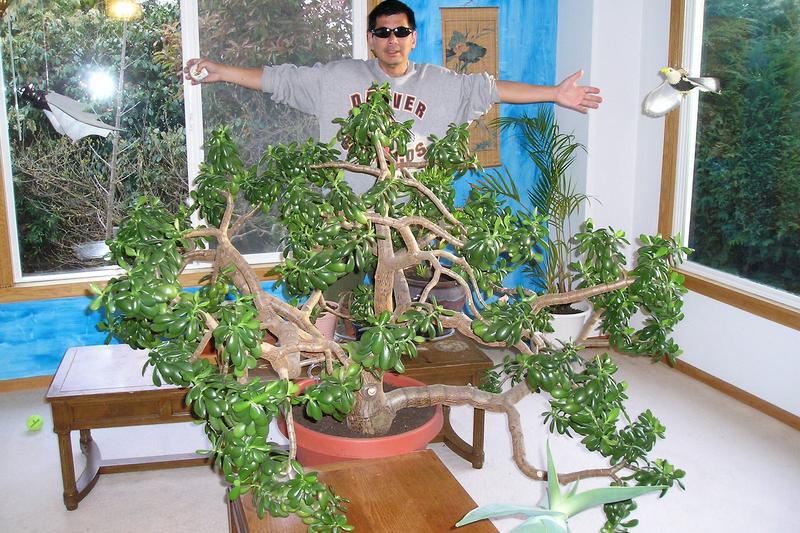
Quick facts
- Watering
- Fortnightly in summer, monthly in winter
- Sunlight
- Full sun to partial shade
- Soil
- Free-draining, gritty cactus compost
- Humans
- Toxic
- Cats
- Toxic
- Dogs
- Toxic
- Height
- 30–90 cm
- Spread
- 30–60 cm
- Spacing
- 0 cm apart
About Jade Plant
The Jade Plant is a popular succulent houseplant native to South Africa, prized for its thick, glossy, oval leaves and tree-like growth habit. In the UK, it thrives as an easy-care indoor plant that can live for decades, often passed down through generations. Its fleshy leaves store water, making it exceptionally drought-tolerant and forgiving of occasional neglect. With proper care, mature specimens may produce delicate white or pink star-shaped flowers in winter.
UK fact: Jade Plants became fashionable in British Victorian conservatories during the 1800s and were traditionally given as housewarming gifts, symbolising prosperity and good fortune in the home.
Watering Jade Plant
During the growing season (April to September), water thoroughly when the compost has dried out completely, typically every 10–14 days depending on temperature and pot size. In winter, reduce watering dramatically to once a month or less, as the plant enters dormancy and excess moisture can cause root rot. Always check the soil is dry several centimetres down before watering, and ensure any excess drains away freely. Wrinkled leaves indicate underwatering, whilst soft, mushy leaves suggest overwatering.
Sunlight requirements
Position your Jade Plant on a south-facing windowsill for best results, where it will receive several hours of direct sunlight daily. In the UK's lower light levels, particularly during winter, maximum brightness is essential to prevent leggy growth. East or west-facing windows also work well, though growth may be slower and flowering less likely.
Soil and feeding
Jade Plants require exceptionally well-draining compost to prevent waterlogging and root rot. A proprietary cactus and succulent mix is ideal, or create your own by mixing two parts peat-free multipurpose compost with one part horticultural grit or sharp sand. The pH should be slightly acidic to neutral (6.0–7.0). Avoid moisture-retentive composts, as these hold too much water for succulent roots and can lead to fungal problems in the UK's humid climate.
Apply a balanced liquid fertiliser formulated for cacti and succulents at half strength once a month from April through September. Avoid feeding during autumn and winter when the plant is dormant, as this can cause weak, leggy growth. Overfed Jade Plants may develop soft growth that's prone to disease.
Pruning Jade Plant
Jade Plants respond well to pruning and can be shaped into attractive tree-like forms. In March or April, cut back overgrown or leggy stems to just above a leaf node using clean, sharp secateurs. The plant will branch from the cut point, creating a fuller appearance. Remove any dead, damaged or yellowing leaves throughout the year by gently twisting them off at the base. Pruned stems can be used for propagation.
Propagating Jade Plant
Propagation is straightforward and highly successful with both stem and leaf cuttings taken during the growing season. Stem cuttings of 7–10 cm root within 2–4 weeks, whilst individual leaves take longer but can produce multiple plantlets. Allow all cuttings to callus over for 2–3 days before potting to prevent rot. Spring and early summer offer the best success rates in UK conditions.
Common problems
Jade Plants are generally trouble-free but can suffer from mealybugs, which appear as white, cottony masses in leaf axils and should be removed with cotton buds dipped in methylated spirits. Overwatering is the most common cultural problem, leading to root rot, leaf drop and stem blackening—always err on the side of underwatering. In poorly ventilated UK homes, powdery mildew may occasionally develop on leaves; improve air circulation and reduce humidity. Leaf drop in winter is often caused by cold draughts or temperatures below 10°C, so keep plants away from cold windows and exterior doors.
Spot a problem with your plant? Photograph the affected area using the Loam app and it will suggest the most likely cause and treatment.
Safety
- Humans
-
Toxic
Mildly toxic if ingested, causing nausea and vomiting. Keep away from young children.
- Cats
-
Toxic
Toxic to cats, causing vomiting, depression and incoordination if ingested. Keep out of reach.
- Dogs
-
Toxic
Toxic to dogs, causing vomiting, depression and incoordination if ingested. Keep out of reach.
Toxicity information is for general guidance only. If a person or pet has been exposed to this plant and you are concerned, seek advice from a medical professional or vet.
Seasonal care calendar
Monthly care guide for Jade Plant in the UK, based on average conditions.
| Month | Care tasks |
|---|---|
| January | Keep compost almost dry and maintain temperatures above 10°C. Avoid cold draughts from windows. |
| February | Continue minimal watering. Check for mealybugs and remove any dead leaves. |
| March | Begin increasing watering frequency as growth resumes. Prune to shape and repot if rootbound. |
| April | Resume regular watering and begin monthly feeding. Take stem cuttings for propagation. |
| May | Water when compost dries out and continue feeding. Move outdoors to a sunny patio if desired. |
| June | Maintain regular watering and feeding schedule. Monitor for pests if kept outdoors. |
| July | Water thoroughly during warm weather, ensuring good drainage. Continue monthly feeding. |
| August | Maintain summer care routine. Take final cuttings for propagation before autumn. |
| September | Bring outdoor plants inside before temperatures drop. Reduce watering frequency and stop feeding. |
| October | Water sparingly as growth slows. Ensure adequate light on south-facing windowsills. |
| November | Reduce watering to monthly. Mature plants may begin producing flower buds. |
| December | Keep compost barely moist. Enjoy winter flowers if they appear on mature specimens. |
Frequently asked questions
- How often should I water my Jade Plant?
- Water thoroughly when the compost has completely dried out, typically every 2–3 weeks in summer and monthly in winter. Jade Plants are succulents that store water in their leaves, so they're more tolerant of underwatering than overwatering. Insert your finger 5 cm into the compost – if it feels dry, it's time to water. Reduce watering significantly during the winter rest period.
- What's wrong with my Jade Plant?
- Jade Plants can show various symptoms including leaf drop, discolouration, soft stems, or pest damage. Common problems include overwatering (causing root rot and mushy leaves), insufficient light (leading to leggy growth), mealybugs (white fluffy patches), or cold damage (brown spots). The Loam app can help diagnose specific issues by analysing photos of your plant and provide personalised care recommendations based on your conditions.
- How do I propagate a Jade Plant from cuttings?
- Take 5–10 cm stem cuttings or individual leaves in spring or summer. Allow cuttings to dry for 2–3 days until the cut end calluses over, then insert into barely moist cactus compost. Place in bright, indirect light and water sparingly until roots develop (usually 3–4 weeks). Leaf cuttings take longer but will eventually produce small plantlets at the base.
Got a question about growing Jade Plant that isn't covered here? Ask the Garden Advisor in the Loam app. It knows your saved plants and local conditions.
Related plants
This page was compiled with AI assistance and reviewed by our team. .