Kalanchoe
Kalanchoe blossfeldiana
Houseplants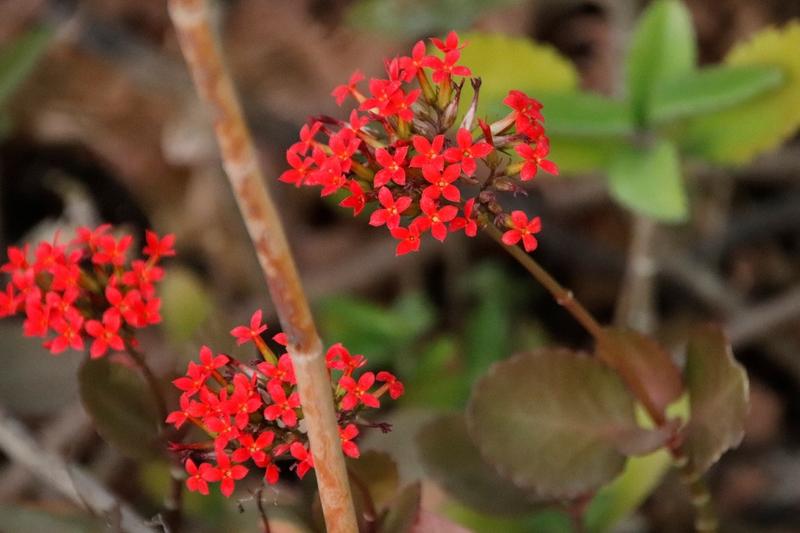
Quick facts
- Watering
- Fortnightly, when soil dries
- Sunlight
- Bright indirect light
- Soil
- Free-draining, gritty compost
- Humans
- Toxic
- Cats
- Toxic
- Dogs
- Toxic
- Height
- 15–30 cm
- Spread
- 15–25 cm
- Spacing
- 20–25 cm apart
About Kalanchoe
Kalanchoe is a popular succulent houseplant native to Madagascar, prized for its clusters of vibrant, long-lasting flowers in shades of red, pink, orange, yellow, and white. Its thick, glossy green leaves and compact growth habit make it an ideal choice for UK windowsills and conservatories. British gardeners value kalanchoe for its easy-care nature and ability to bloom for several weeks, often flowering from late autumn through winter when colour is most needed indoors. This cheerful plant thrives in the relatively dry atmosphere of centrally heated homes, making it perfectly suited to modern UK living conditions.
UK fact: Kalanchoe has become one of the UK's most popular gift plants, with sales peaking around Mother's Day and Christmas, and the RHS receives more enquiries about extending its flowering period than almost any other houseplant.
Watering Kalanchoe
As a succulent, kalanchoe stores water in its thick leaves and is highly susceptible to overwatering, which causes root rot. During the growing season (spring and summer), water thoroughly when the top 3-4 cm of compost feels dry, typically every 10-14 days in UK conditions. In winter, reduce watering to once every 3-4 weeks, as the plant's growth slows considerably in our low-light months. Always ensure excess water drains away freely and never allow the pot to sit in a saucer of water.
Sunlight requirements
Position your kalanchoe on a south-facing or west-facing windowsill in the UK, where it will receive plenty of bright light to encourage flowering. During the intense sunshine of June and July, move the plant back slightly from the glass or provide light shading to prevent leaf scorch. East-facing windows work well year-round, whilst north-facing positions rarely provide sufficient light for good flowering.
Soil and feeding
Kalanchoe requires excellent drainage to prevent root rot, so a specialist cactus and succulent compost is ideal. Alternatively, mix two parts peat-free multipurpose compost with one part horticultural grit or perlite to create a suitable growing medium. The pH should be slightly acidic to neutral (6.0-7.0). Avoid moisture-retentive composts or those containing water-retaining granules, as these keep the roots too wet for this drought-tolerant succulent.
Apply a balanced houseplant fertiliser at half the recommended strength once a month from April through August to support healthy growth and flowering. Alternatively, use a tomato feed diluted to quarter strength to encourage more blooms. Cease feeding from September onwards, as the plant enters its rest period and excess nutrients can cause soft, leggy growth in low UK winter light.
Pruning Kalanchoe
Remove faded flower stems by cutting them back to just above the foliage to keep the plant tidy and encourage further blooming. After the main flowering period ends, usually in late winter or early spring, prune back any leggy or straggly stems by up to one-third to promote bushier growth. Use clean, sharp scissors or secateurs and make cuts just above a leaf node. The pruned stems can be used for propagation, making this an excellent opportunity to create new plants.
Propagating Kalanchoe
The easiest method is to take stem cuttings of 5-8 cm in length during the growing season, ideally in May or June when the plant is actively growing. Leaf cuttings also root successfully, though they take longer to develop into flowering plants. Allow all cuttings to callus over for 24-48 hours before inserting them into gritty compost, as this prevents rot. Cuttings root readily in UK conditions without the need for heated propagators, typically establishing within 3-4 weeks.
Common problems
Kalanchoe is relatively trouble-free but can suffer from mealybugs, which appear as white, cottony masses in leaf axils and should be removed with a cotton bud dipped in methylated spirits. Overwatering is the most common cultural problem, leading to root rot, yellowing leaves, and stem collapse—always err on the side of underwatering with this succulent. Powdery mildew can occasionally develop in poorly ventilated conditions, appearing as white powdery patches on leaves; improve air circulation and reduce humidity. Failure to flower is usually caused by insufficient light or the plant not experiencing the short days needed to initiate buds—kalanchoe requires 12-14 hours of darkness daily for 4-6 weeks in autumn to set flower buds.
Spot a problem with your plant? Photograph the affected area using the Loam app and it will suggest the most likely cause and treatment.
Safety
- Humans
-
Toxic
Kalanchoe contains cardiac glycosides (bufadienolides) that can cause vomiting, diarrhoea, and abnormal heart rhythms if ingested. Keep away from children.
- Cats
-
Toxic
Toxic to cats, causing vomiting, diarrhoea, and potentially serious cardiac effects. All parts of the plant are poisonous if eaten.
- Dogs
-
Toxic
Toxic to dogs, causing vomiting, diarrhoea, drooling, and potentially fatal heart arrhythmias. Seek veterinary attention immediately if ingestion occurs.
Toxicity information is for general guidance only. If a person or pet has been exposed to this plant and you are concerned, seek advice from a medical professional or vet.
Seasonal care calendar
Monthly care guide for Kalanchoe in the UK, based on average conditions.
| Month | Care tasks |
|---|---|
| January | Enjoy flowering displays. Water sparingly, only when compost is almost dry. Keep in bright light on a cool windowsill away from radiators. |
| February | Continue minimal watering. Deadhead spent flowers regularly. Main flowering period often extends through this month in UK homes. |
| March | As flowering finishes, prune back leggy stems. Begin to increase watering slightly as days lengthen. Repot if rootbound, using cactus compost. |
| April | Resume monthly feeding with half-strength balanced fertiliser. Water when top 3-4 cm of compost dries. New growth should be emerging. |
| May | Ideal time for taking cuttings. Continue regular watering and feeding. Can be moved outdoors to a sheltered, sunny patio once night temperatures exceed 10°C. |
| June | Water every 10-14 days in warm weather. Feed monthly. Provide light shade if on a south-facing windowsill to prevent leaf scorch. |
| July | Continue regular watering and feeding. Monitor for mealybugs in warm conditions. Ensure good ventilation around plants. |
| August | Maintain watering and feeding regime. Take final cuttings if desired. Bring outdoor plants inside before night temperatures drop below 10°C. |
| September | Cease feeding. Begin to reduce watering frequency. Ensure plant receives 12-14 hours of darkness daily to initiate flower buds for winter blooming. |
| October | Continue short-day treatment for bud formation. Water only when compost is nearly dry. Flower buds should be forming by month's end. |
| November | Reduce watering to every 3-4 weeks. Flower buds developing. Keep in bright light and avoid cold draughts from windows. |
| December | Flowers often begin opening. Water sparingly. Makes an excellent festive display plant. Keep away from cold windowpanes on frosty nights. |
Frequently asked questions
- Why are the leaves on my kalanchoe turning yellow and dropping?
- Yellow, dropping leaves usually indicate overwatering or poor drainage. Kalanchoe is a succulent that needs the compost to dry out almost completely between waterings. Check the roots for rot, reduce watering frequency, and ensure the pot has adequate drainage holes.
- How do I know if my kalanchoe is getting enough light?
- Kalanchoe needs bright, indirect light for at least 6 hours daily. Signs of insufficient light include leggy growth, pale leaves, and reluctance to flower. If you're unsure about your plant's light levels or notice these symptoms, the Loam app can help diagnose lighting issues and provide personalised care recommendations based on your home's conditions.
- How do I propagate kalanchoe from cuttings?
- Kalanchoe propagates easily from stem or leaf cuttings. Take 7-10cm stem cuttings in spring or summer, remove the lower leaves, and allow the cut end to dry for 24 hours. Insert into free-draining compost (mix multipurpose with perlite or grit), water lightly, and place in bright, indirect light. Roots typically develop within 2-3 weeks.
Got a question about growing Kalanchoe that isn't covered here? Ask the Garden Advisor in the Loam app. It knows your saved plants and local conditions.
Related plants
This page was compiled with AI assistance and reviewed by our team. .