Sedum
Hylotelephium spectabile
Perennials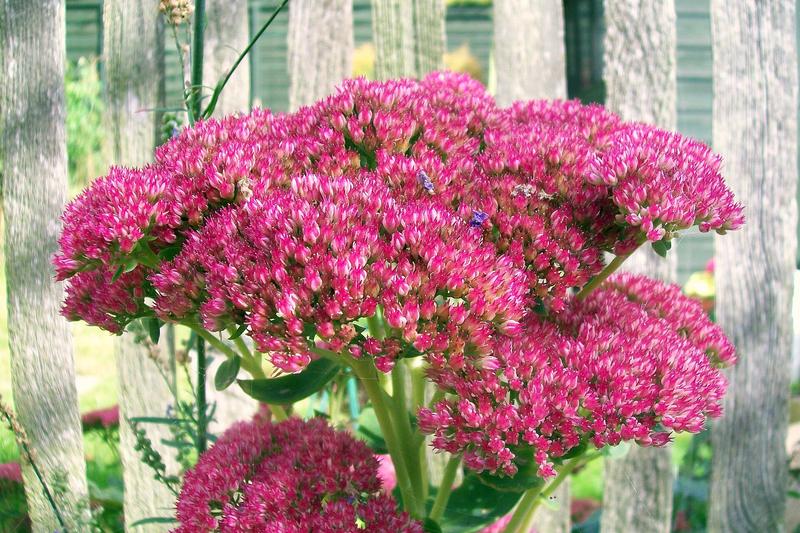
Quick facts
- Watering
- Minimal once established
- Sunlight
- Full sun
- Soil
- Well-drained, poor to moderately fertile
- Humans
- Safe
- Cats
- Safe
- Dogs
- Safe
- Height
- 40–60 cm
- Spread
- 40–50 cm
- Spacing
- 40–45 cm apart
- RHS recognition
- Award of Garden Merit
About Sedum
Sedum (Hylotelephium spectabile), commonly known as ice plant or showy stonecrop, is a robust herbaceous perennial native to China and Korea. It produces fleshy, grey-green leaves and flat-topped clusters of star-shaped pink flowers from late summer into autumn, making it invaluable for extending colour in UK borders. British gardeners prize it for its drought tolerance, architectural form, and exceptional value to pollinators, particularly butterflies and bees during the late-season nectar gap. The dried flowerheads remain attractive through winter, providing structure and wildlife habitat.
UK fact: Hylotelephium spectabile 'Brilliant' holds the RHS Award of Garden Merit and is one of the top ten plants for attracting butterflies to British gardens, with Red Admirals and Peacock butterflies particularly drawn to its nectar-rich autumn blooms.
Watering Sedum
Water newly planted sedums weekly during their first summer to establish a strong root system. Once established, they require virtually no supplementary watering, even during typical UK droughts, thanks to their succulent leaves which store moisture. Overwatering is the most common cause of failure, leading to root rot and fungal issues. In heavy clay soils or wet winters, ensure excellent drainage to prevent waterlogging.
Sunlight requirements
Plant in full sun for optimal performance, as shaded conditions lead to weak, floppy growth and reduced flowering. South or west-facing borders are ideal in UK gardens. Sedum tolerates exposed sites and coastal conditions well, making it suitable for windy locations where many perennials struggle.
Soil and feeding
Grow in well-drained soil of poor to moderate fertility; overly rich soils produce lush, weak growth prone to flopping. Sandy or gravelly soils are ideal, though sedum adapts to most soil types provided drainage is excellent. It tolerates a wide pH range from slightly acidic to alkaline (pH 6.0-8.0). On heavy clay, incorporate horticultural grit or sharp sand at planting, or grow in raised beds to improve drainage and prevent winter wet, which can cause crown rot.
Avoid feeding established plants, as excess nutrients produce soft, floppy growth that requires staking and is more susceptible to pests. If growing in very poor soil or containers, a single application of low-nitrogen, balanced fertiliser in early spring is sufficient. The natural leanness of the soil encourages sturdy, self-supporting stems and more abundant flowering.
Pruning Sedum
Leave the flowerheads standing through winter, as they provide architectural interest, seed for birds, and overwintering habitat for beneficial insects. Cut all stems back to ground level in February or March, just as new shoots begin to appear at the base. If plants become floppy mid-season, lightly trim back stems by one-third in late May (the 'Chelsea chop') to encourage bushier, more compact growth. Divide congested clumps every 3-4 years in spring to maintain vigour.
Propagating Sedum
Stem cuttings root readily and are the quickest method, taken from non-flowering shoots in May or June. Division in spring rejuvenates older clumps and produces instant plants. Sedum can also be grown from seed sown in spring, though cultivars will not come true. Cuttings and divisions establish quickly in the UK climate, often flowering in their first year.
Common problems
Sedum is largely trouble-free but can suffer from vine weevil, whose larvae eat roots and can kill plants; check for notched leaf edges and treat with biological controls in late summer. Slugs and snails occasionally damage young spring growth. In wet conditions or poorly drained soil, crown rot and fungal diseases can occur, causing stems to collapse; prevention through good drainage is essential. Aphids may colonise flower buds in summer but rarely cause serious harm.
Spot a problem with your plant? Photograph the affected area using the Loam app and it will suggest the most likely cause and treatment.
Safety
- Humans
- Safe
- Cats
- Safe
- Dogs
- Safe
Toxicity information is for general guidance only.
Seasonal care calendar
Monthly care guide for Sedum in the UK, based on average conditions.
| Month | Care tasks |
|---|---|
| January | Leave dried flowerheads standing for winter structure and wildlife value. No action needed. |
| February | Cut back all dead stems to ground level as new shoots begin to emerge at the base. Apply a mulch of grit around the crown if desired. |
| March | Divide congested clumps and replant divisions. Plant new specimens. Watch for emerging shoots and protect from slug damage if necessary. |
| April | New growth develops rapidly. Water newly planted specimens during dry spells. Check for vine weevil notching on leaf edges. |
| May | Take stem cuttings for propagation. Consider the 'Chelsea chop' (cutting back by one-third) to encourage compact growth and prevent flopping later. |
| June | Continue taking cuttings. Flower buds begin to form. Monitor for aphids on developing buds but avoid spraying to protect pollinators. |
| July | Buds swell and begin to show colour. Ensure good air circulation around plants. Minimal watering required even in dry weather. |
| August | Flowers open and attract butterflies and bees. Deadhead selectively only if seed is not wanted. Apply biological vine weevil control to soil. |
| September | Peak flowering period with maximum pollinator activity. Flowers gradually deepen in colour. Avoid disturbing plants to allow insects to feed. |
| October | Flowers fade to russet-brown seedheads. Leave standing for autumn and winter interest. Collect seed if desired for spring sowing. |
| November | Dried flowerheads provide architectural structure. Leave standing through winter for wildlife. No action needed. |
| December | Stems and seedheads remain attractive, especially when frosted. Provide valuable winter habitat for beneficial insects. Leave undisturbed. |
Frequently asked questions
- When should I cut back sedum in the UK?
- Leave the flowerheads standing through winter for structure and wildlife value, then cut all stems back to ground level in late February or early March, just as new shoots begin to emerge at the base.
- Why are there notches in my sedum leaves?
- Notched leaf edges indicate adult vine weevil feeding. Check for white, C-shaped larvae in the soil around the roots, as these cause more serious damage. The Loam app can help you identify pest damage through photos and recommend the best treatment timing for biological controls like nematodes.
- How do I propagate sedum from cuttings?
- Take 7-10cm stem cuttings in late spring or early summer. Remove lower leaves, insert into gritty compost, and keep barely moist. Cuttings root easily within 2-3 weeks. Alternatively, individual leaves placed on compost will root and form new plantlets. Pot on once established and plant out the following spring.
Got a question about growing Sedum that isn't covered here? Ask the Garden Advisor in the Loam app. It knows your saved plants and local conditions.
Related plants
This page was compiled with AI assistance and reviewed by our team. .