Achillea
Achillea millefolium
Perennials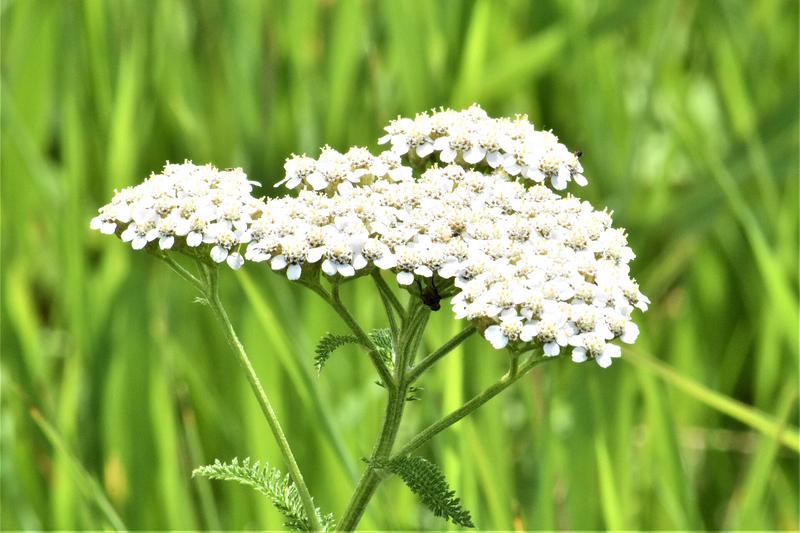
Quick facts
- Watering
- Fortnightly once established
- Sunlight
- Full sun
- Soil
- Well-drained, poor to moderately fertile
- Humans
- Safe
- Cats
- Safe
- Dogs
- Safe
- Height
- 45–90 cm
- Spread
- 45–60 cm
- Spacing
- 30–45 cm apart
- RHS recognition
- Award of Garden Merit
About Achillea
Achillea is a hardy herbaceous perennial native to Europe and western Asia, prized for its flat-topped flower clusters in shades of white, pink, red, and yellow. The feathery, fern-like foliage is aromatic when crushed and remains attractive throughout the growing season. UK gardeners value achillea for its drought tolerance, long flowering period from June to September, and exceptional ability to attract pollinators including bees and butterflies. This cottage garden favourite thrives in British borders, gravel gardens, and wildflower meadows with minimal maintenance.
UK fact: Achillea has been used in British herbal medicine for centuries and was traditionally known as 'soldier's woundwort' because it was applied to battlefield injuries to staunch bleeding, a practice dating back to the Anglo-Saxon period.
Watering Achillea
Water newly planted achillea regularly during the first growing season to establish a deep root system, providing approximately 2.5 cm of water weekly. Once established, typically after 8-12 weeks, achillea rarely needs supplemental watering in most UK regions, as it thrives in dry conditions. Overwatering causes root rot and encourages powdery mildew, so err on the side of underwatering, particularly in heavy soils. During exceptionally dry summers, water deeply every fortnight rather than lightly more frequently.
Sunlight requirements
Plant achillea in a position receiving at least six hours of direct sunlight daily for best performance. In the UK, south-facing or west-facing borders are ideal, though the plant tolerates some light afternoon shade in southern regions. Insufficient light causes weak, floppy stems that require staking and reduces flowering significantly.
Soil and feeding
Plant achillea in well-drained soil with a pH between 5.5 and 7.5, though it tolerates slightly alkaline conditions well. The plant excels in sandy or gravelly soils and is ideal for challenging dry spots where other perennials struggle. Heavy clay soils must be improved with horticultural grit or sharp sand to ensure adequate drainage, as waterlogged roots lead to rot and plant death over winter. Avoid enriching the soil excessively, as overly fertile conditions produce lush foliage with weak stems prone to flopping and fewer flowers.
Apply a light dressing of general-purpose fertiliser such as blood, fish and bone in early spring only if plants show poor growth or pale foliage. Excessive feeding, particularly with high-nitrogen fertilisers, produces soft, leggy growth that flops and is susceptible to disease. In most UK garden soils, achillea thrives without any feeding whatsoever.
Pruning Achillea
Remove spent flower heads throughout the blooming period from June to September to encourage continuous flowering and prevent self-seeding if not desired. In late autumn after flowering ceases, cut all stems down to basal foliage, or leave the seed heads standing through winter to provide structure and food for birds, then cut back in February before new growth emerges. Divide congested clumps every 3-4 years in spring or autumn to maintain vigour. If plants become floppy mid-season, cut back by one-third in late spring to encourage bushier, more compact growth.
Propagating Achillea
Division is the quickest and most reliable propagation method for achillea, performed in March-April or September-October. Lift established clumps with a garden fork and tease or cut apart into sections, each with healthy roots and several shoots. Basal cuttings taken in April-May also root readily: remove 7-10 cm shoots from the base of the plant with a sharp knife, insert into gritty compost, and keep in a cold frame until rooted. Achillea also grows easily from seed sown in spring, though named cultivars do not come true and may revert to species characteristics.
Common problems
Achillea is generally trouble-free but may suffer from powdery mildew in humid conditions or overcrowded plantings, appearing as white powdery patches on leaves and stems. Ensure good air circulation and avoid overhead watering to minimise this fungal disease. Aphids occasionally colonise new growth and flower buds in spring; spray with water or use an insecticidal soap if infestations are severe. In overly rich or moist soils, plants develop weak, floppy stems that require staking, so ensure lean, well-drained conditions. Achillea self-seeds prolifically if deadheading is neglected, which may be problematic in formal borders but desirable in naturalistic plantings.
Spot a problem with your plant? Photograph the affected area using the Loam app and it will suggest the most likely cause and treatment.
Safety
- Humans
- Safe
- Cats
- Safe
- Dogs
- Safe
Toxicity information is for general guidance only.
Seasonal care calendar
Monthly care guide for Achillea in the UK, based on average conditions.
| Month | Care tasks |
|---|---|
| January | No action needed. Plants are fully dormant with dead stems providing winter structure. |
| February | Cut back old stems to ground level before new growth emerges. Apply light mulch of compost around plants if desired. |
| March | Divide congested clumps. Plant new divisions or container-grown plants. Apply blood, fish and bone if growth is poor. |
| April | Take basal cuttings for propagation. Weed around plants and water new plantings regularly. |
| May | Stake tall varieties if necessary. Water during dry spells. Watch for aphids on new growth. |
| June | Flowering begins. Deadhead spent blooms regularly to prolong display. Water new plants weekly. |
| July | Continue deadheading. Cut back floppy plants by one-third to encourage fresh growth. Water only during drought. |
| August | Peak flowering period. Deadhead regularly. Collect seed from species plants if desired for sowing next spring. |
| September | Flowering continues into early autumn. Divide plants if needed. Reduce watering as weather cools. |
| October | Cut back spent stems to ground level or leave seed heads for winter interest and wildlife. Divide established clumps. |
| November | Finish cutting back if not leaving for winter structure. Clear away debris to reduce disease carryover. |
| December | No action needed. Plants are dormant and require no winter protection in the UK. |
Frequently asked questions
- When should I cut back achillea?
- Cut back achillea in two stages: first, trim stems by one-third in late spring (May) to prevent flopping and encourage bushier growth. Then, after flowering finishes in autumn, cut all growth down to basal foliage. In late winter (February), remove any remaining dead material before new growth emerges. Regular deadheading throughout summer maintains continuous flowering from June to September.
- Why are my achillea leaves turning white?
- White powdery coating on leaves indicates powdery mildew, a fungal disease common in humid conditions or overcrowded plantings. Improve air circulation by thinning plants, avoid overhead watering, and remove severely affected foliage. Resistant varieties include 'Terracotta' and 'Walther Funcke'. If you're unsure about the diagnosis or need personalised treatment advice, the Loam app can help identify the problem and provide tailored care recommendations for your specific conditions.
- Can I grow achillea from seed?
- Yes, achillea grows readily from seed sown in spring. Surface-sow seeds in trays of seed compost from March to May, as they need light to germinate. Keep at 15-18°C and expect germination in 14-21 days. Prick out seedlings when large enough to handle and grow on in individual pots. Plant out after all frost risk has passed in late May. Note that named varieties won't come true from seed—divide established plants instead to maintain specific colours.
Got a question about growing Achillea that isn't covered here? Ask the Garden Advisor in the Loam app. It knows your saved plants and local conditions.
Related plants
This page was compiled with AI assistance and reviewed by our team. .