Lavender
Lavandula angustifolia
Shrubs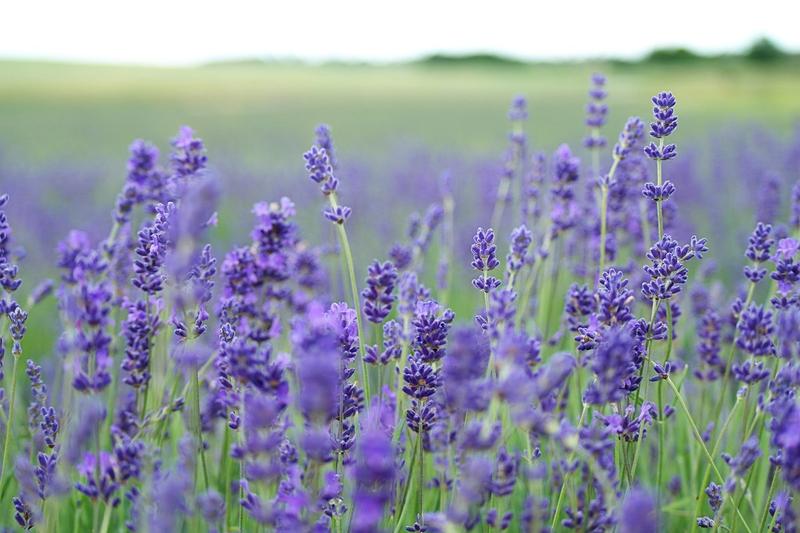
Quick facts
- Watering
- Fortnightly (established plants)
- Sunlight
- Full sun
- Soil
- Well-drained, gritty or sandy
- Humans
- Safe
- Cats
- Toxic
- Dogs
- Toxic
- Height
- 30–90 cm
- Spread
- 60–90 cm
- Spacing
- 30–45 cm apart
- RHS recognition
- Award of Garden Merit
About Lavender
Lavender is one of the most loved garden plants in the UK, prized for its aromatic silver-grey foliage and spikes of fragrant purple-blue flowers that bloom from June to August. Native to the Mediterranean, it has been cultivated in British gardens for centuries and thrives in the warm, free-draining conditions found across southern England. Its nectar-rich flowers are magnets for bees and butterflies, making it an excellent choice for a wildlife-friendly garden. The dried flowers and stems are widely used in potpourri, sachets, and culinary applications: particularly in baking and herbal teas.
UK fact: The variety 'Hidcote' (Lavandula angustifolia 'Hidcote'), named after the National Trust garden in Gloucestershire, is one of the UK's most widely planted lavenders and holds the RHS Award of Garden Merit.
Watering Lavender
Lavender is drought-tolerant once established and prefers to dry out between waterings. Newly planted specimens need watering every few days for the first season; after that, fortnightly watering during dry spells is sufficient. Overwatering is the most common cause of failure: lavender planted in waterlogged soil will develop root rot and die. Always water at the base, not over the foliage, and reduce watering entirely during autumn and winter.
Sunlight requirements
Lavender requires a position in full sun: at least six hours of direct sunlight per day. In partial shade it will grow but produce far fewer flowers and develop a lax, open habit. In the UK, a south- or west-facing aspect is ideal. Avoid planting against a north-facing wall or under the canopy of trees. Good air circulation around the plant also helps prevent fungal problems.
Soil and feeding
Well-drained, gritty or sandy soil is essential. Lavender tolerates poor, chalky, or alkaline soils and actively dislikes rich, heavy clay. If your soil is heavy, improve drainage by adding horticultural grit or sharp sand before planting, or grow lavender in raised beds or containers using a gritty compost mix (one part perlite or grit to two parts compost). A slightly alkaline pH of 6.5–7.5 is ideal.
Lavender needs very little feeding: feeding encourages leafy growth at the expense of flowers and fragrance. If plants look pale or stressed, apply a very light dressing of slow-release, low-nitrogen fertiliser in spring. Avoid high-nitrogen feeds entirely. Container-grown plants benefit from a single liquid feed of a balanced fertiliser in May.
Pruning Lavender
Pruning is the key to keeping lavender compact and productive. Without regular pruning, plants become woody at the base and stop flowering well. Prune twice a year: once lightly after flowering in late summer (August–September), removing the spent flower stalks and about one third of the foliage growth; and again in spring (March–April), cutting back to just above the new green shoots emerging from the woody stems. Never cut back into old wood: lavender will not regenerate from bare wood.
Propagating Lavender
Lavender is easily propagated from semi-ripe cuttings taken in late summer (July–August). Cut a 10–12 cm non-flowering shoot just below a leaf node, strip the lower leaves, and insert into a mixture of equal parts compost and perlite. Keep in a cold frame or cool greenhouse over winter; pot on in spring once rooted. Softwood cuttings can also be taken in May–June and root more quickly. Division is not recommended: lavender does not divide cleanly and the divided sections rarely thrive.
Common problems
Root rot is the most common problem, almost always caused by waterlogged soil or overwatering. Affected plants wilt despite moist soil, and stems turn brown at the base. There is no cure: improve drainage before replanting. Shab (Phoma lavandulae) is a fungal disease that causes sudden wilting and die-back of shoots; remove and destroy affected material and improve air circulation. Rosemary beetle (Chrysolina americana), an invasive species now widespread in the UK, feeds on foliage and can cause significant damage; remove adults and larvae by hand in autumn. Lavender is generally not troubled by aphids or slugs.
Spot a problem with your plant? Photograph the affected area using the Loam app and it will suggest the most likely cause and treatment.
Safety
- Humans
-
Safe
Lavender is widely used in cooking and herbal teas and is considered safe for humans.
- Cats
-
Toxic
Contains linalool and linalyl acetate, which are mildly toxic to cats if ingested in significant quantities. Occasional brief contact with the plant is unlikely to cause harm, but discourage eating.
- Dogs
-
Toxic
Contains linalool and linalyl acetate, which are mildly toxic to dogs if ingested in significant quantities. Occasional brief contact with the plant is unlikely to cause harm, but discourage eating.
Toxicity information is for general guidance only. If a pet has been exposed to this plant and you are concerned, seek advice from a vet.
Seasonal care calendar
Monthly care guide for Lavender in the UK, based on average conditions.
| Month | Care tasks |
|---|---|
| January | No action needed. Avoid walking on frozen plants. Ensure container plants are not waterlogged. |
| February | Check for winter damage. Wait for signs of new growth before any pruning. |
| March | Carry out spring pruning once new shoots are visible: cut back to just above fresh green growth. Do not cut into old wood. |
| April | Mulch around the base with gravel or grit to improve drainage and suppress weeds. Plant out new lavender in warm, free-draining positions. |
| May | Take softwood cuttings for propagation. Apply a single light liquid feed to container-grown plants. Flower buds beginning to form. |
| June | Flowering begins. Harvest flower spikes for drying when roughly one third of the flowers on a stem are open. Water only during prolonged dry spells. |
| July | Peak flowering. Continue harvesting for drying. Take semi-ripe cuttings for propagation. Watch for rosemary beetle. |
| August | Flowering begins to wind down. Carry out the main post-flowering prune: remove spent stems and reduce foliage by about a third. |
| September | Complete post-flowering pruning if not done in August. Reduce watering. Plant container-grown specimens while the ground is still warm. |
| October | Cease feeding. Reduce watering significantly. Move containers to a sheltered spot or cold greenhouse if frost is forecast. |
| November | Little action needed. Avoid heavy pruning: leave some foliage to protect the crown from frost. |
| December | Dormant period. Ensure good drainage. No watering needed for plants in the ground. |
Frequently asked questions
- When should I prune lavender in the UK?
- Prune lavender twice a year: once after flowering in late summer (August–September), removing spent flower stalks and about a third of the foliage growth; and again in spring (March–April), cutting back to just above the new green shoots. Never cut into the old grey woody stems, as lavender will not regenerate from bare wood.
- Why is my lavender dying?
- The most common cause of lavender dying in the UK is overwatering or poor drainage leading to root rot. Check whether the soil or compost is waterlogged: lavender needs soil that dries out between waterings. Other possible causes include cutting back into old wood during pruning, frost damage to plants in heavy soil, or rosemary beetle infestation. If you're struggling to diagnose the problem, the Loam app can help identify issues from photos and provide personalised care advice to get your lavender back on track.
- Can I grow lavender in a pot?
- Yes: lavender grows very well in pots and containers, making it ideal for patios, balconies, or gardens with heavy soil. Choose a pot at least 30cm wide with drainage holes, and use a gritty, free-draining compost mix (add horticultural grit or perlite to multipurpose compost). Position in full sun and water sparingly, allowing the compost to dry out between waterings. Container-grown lavender may need repotting every 2–3 years and benefits from an annual spring trim to maintain shape.
Got a question about growing Lavender that isn't covered here? Ask the Garden Advisor in the Loam app. It knows your saved plants and local conditions.
Related plants
This page was compiled with AI assistance and reviewed by our team. .