Thyme
Thymus vulgaris
Herbs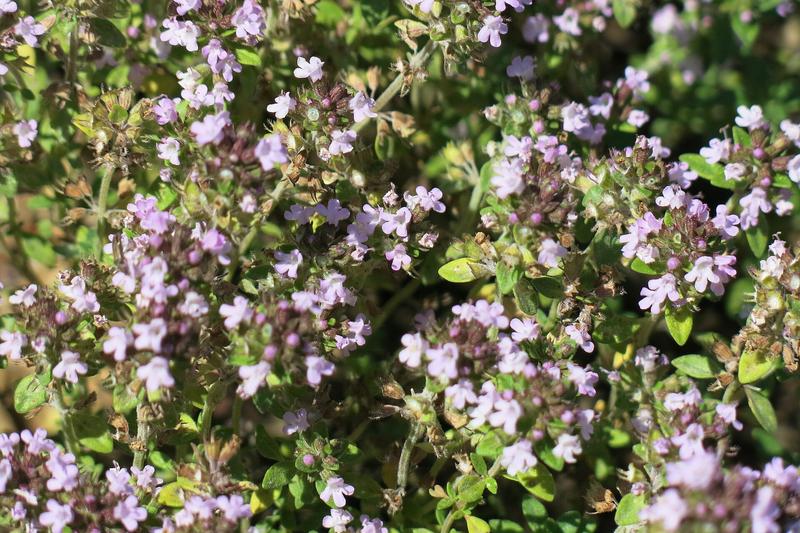
Quick facts
- Watering
- Minimal once established
- Sunlight
- Full sun
- Soil
- Well-drained, sandy or gravelly
- Humans
- Safe
- Cats
- Safe
- Dogs
- Safe
- Height
- 15–30 cm
- Spread
- 20–40 cm
- Spacing
- 20–30 cm apart
- RHS recognition
- Award of Garden Merit
About Thyme
Thyme is a low-growing, woody-stemmed perennial herb with tiny aromatic grey-green leaves and clusters of pale pink to lilac flowers in summer. Native to the Mediterranean, it has been cultivated in British gardens for centuries, prized for its culinary uses and ability to thrive in poor, dry soils. UK gardeners value thyme as an essential kitchen garden herb, a fragrant edging plant, and an excellent choice for rockeries, gravel gardens, and containers. Its drought tolerance and evergreen foliage make it particularly suited to sunny, well-drained spots throughout the UK.
UK fact: Thyme has been grown in British monastery gardens since medieval times and was traditionally used to flavour game and preserve meat before refrigeration, making it a cornerstone of historic British cookery.
Watering Thyme
Water newly planted thyme regularly for the first few weeks to establish roots, then reduce frequency significantly. Established plants rarely need watering in the UK except during extended summer droughts lasting more than three weeks. Overwatering is the most common cause of failure, particularly in heavy soils or during wet British winters. Container-grown thyme needs occasional watering in summer but ensure pots drain freely and never sit in saucers of water.
Sunlight requirements
Position thyme in a spot that receives at least six hours of direct sunlight daily. South-facing borders, patios, and raised beds are ideal in the UK. In shadier conditions, plants become leggy, produce fewer aromatic oils, and are more susceptible to fungal problems in our damp climate.
Soil and feeding
The ideal soil is light, sandy, or gravelly with excellent drainage, mimicking the plant's native Mediterranean habitat. Thyme tolerates poor, low-fertility soil and actually develops better flavour in lean conditions. If your garden has heavy clay, grow thyme in raised beds, containers, or improve drainage by incorporating horticultural grit at a ratio of 1:1 with soil. A slightly alkaline to neutral pH of 6.5–8.0 is preferred, making thyme well-suited to chalky soils common in southern England.
Avoid feeding thyme with nitrogen-rich fertilisers, which promote soft, leggy growth prone to winter damage and reduce the concentration of essential oils. If growing in containers, a light application of general-purpose liquid feed at half strength once in spring is sufficient. Ground-grown plants typically need no feeding at all.
Pruning Thyme
Trim plants lightly in late March or early April to remove winter-damaged growth and encourage fresh shoots. After flowering in July or August, cut back by about one-third, removing spent flower heads and the top growth, but avoid cutting into old, bare wood as thyme is reluctant to regenerate from this. Regular harvesting throughout the growing season acts as ongoing pruning. Plants become woody and sparse after three to four years and are best replaced rather than hard-pruned.
Propagating Thyme
The most reliable method is taking 5–8 cm softwood cuttings in May or June when growth is vigorous. Established clumps can also be divided in spring, though this is more successful with younger plants. Thyme can be grown from seed sown in spring, but germination is slow and erratic, and cuttings produce harvestable plants much faster. Layering is another option: peg down stems in spring and they'll root by autumn.
Common problems
Thyme is generally trouble-free but can suffer from root rot and fungal diseases in poorly drained or overly wet conditions, particularly during damp UK winters. Good drainage and avoiding overhead watering are the best preventatives. Aphids occasionally colonise soft new growth in spring but rarely cause serious damage. In very wet summers, powdery mildew may appear on foliage; improve air circulation and avoid overcrowding. Thyme is largely ignored by slugs and deer.
Spot a problem with your plant? Photograph the affected area using the Loam app and it will suggest the most likely cause and treatment.
Safety
- Humans
- Safe
- Cats
- Safe
- Dogs
- Safe
Toxicity information is for general guidance only.
Seasonal care calendar
Monthly care guide for Thyme in the UK, based on average conditions.
| Month | Care tasks |
|---|---|
| January | No action needed. Avoid walking on plants in frosty weather. |
| February | Check plants for winter damage but delay pruning until growth resumes. |
| March | Lightly trim to remove dead or damaged growth. Divide established clumps if needed. Sow seed under cover. |
| April | Plant out new thyme or pot-grown plants. Begin light harvesting as growth accelerates. |
| May | Take softwood cuttings. Harvest regularly to encourage bushy growth. Water new plantings during dry spells. |
| June | Continue taking cuttings. Flowers begin to appear; harvest before flowering for strongest flavour or leave for pollinators. |
| July | Main flowering period. Trim back after flowering to maintain shape. Harvest sprigs for drying. |
| August | Complete post-flowering trim. Continue harvesting. Water containers if very dry. |
| September | Plant out rooted cuttings. Reduce harvesting to allow plants to harden before winter. |
| October | Final light harvest. Ensure good drainage around plants before winter rains arrive. |
| November | No action needed. Evergreen foliage can still be picked sparingly for cooking. |
| December | Minimal harvesting only. Protect container-grown plants from excessive winter wet. |
Frequently asked questions
- How do I prune thyme after flowering?
- Prune thyme immediately after flowering in mid to late summer by trimming back the flowered stems by about one-third using sharp secateurs or shears. Cut just above fresh green growth, avoiding cutting into old woody stems. This light pruning encourages bushy new growth, prevents the plant becoming leggy, and delays the woody centre that develops with age. Never prune thyme hard in autumn or winter.
- Why is my thyme going woody and bare in the centre?
- Thyme naturally becomes woody with age, typically after three to four years. Regular light pruning after flowering helps delay this, but eventually plants are best replaced with young cuttings or new plants rather than attempting hard renovation pruning. If you're unsure whether your thyme needs replacing or has other issues, the Loam app can help diagnose problems and provide personalised care reminders to keep your herbs in peak condition.
- What type of soil does thyme need?
- Thyme thrives in poor to moderately fertile, very well-drained soil with a neutral to alkaline pH (6.5–8.0). It's native to Mediterranean rocky hillsides, so prefers lean, gritty conditions over rich, moisture-retentive soil. On heavy clay, improve drainage by incorporating horticultural grit or sharp sand, or grow thyme in raised beds. Avoid adding manure or high-nitrogen fertilisers, which produce soft growth prone to winter damage.
Got a question about growing Thyme that isn't covered here? Ask the Garden Advisor in the Loam app. It knows your saved plants and local conditions.
Related plants
This page was compiled with AI assistance and reviewed by our team. .