Marjoram
Origanum majorana
Herbs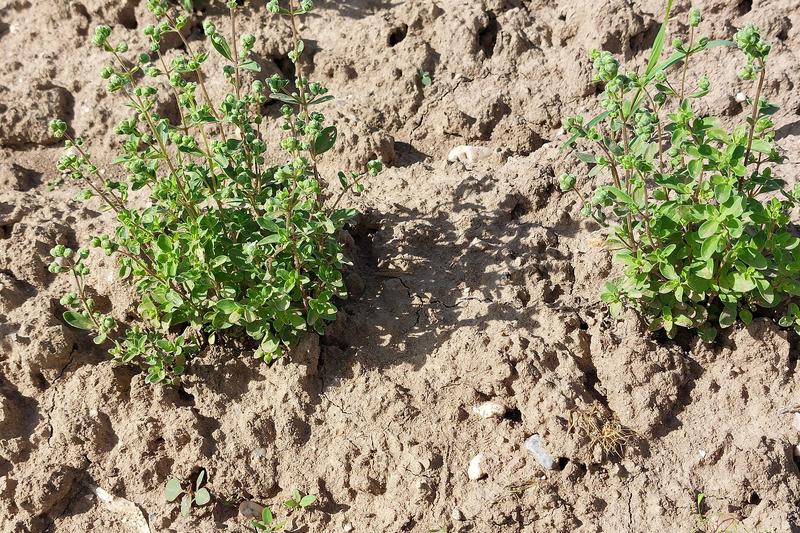
Quick facts
- Watering
- Weekly when established
- Sunlight
- Full sun
- Soil
- Well-drained, light, slightly alkaline
- Humans
- Safe
- Cats
- Safe
- Dogs
- Safe
- Height
- 20–40 cm
- Spread
- 20–30 cm
- Spacing
- 20–25 cm apart
About Marjoram
Marjoram is a tender perennial herb native to the Mediterranean, grown as an annual in most UK gardens. It forms compact, bushy plants with small, oval, grey-green leaves and tiny white or pink flowers in summer. British gardeners prize it for its sweet, delicate flavour in cooking—milder than oregano—and its aromatic foliage. It thrives in containers, herb gardens, and sunny borders, making it ideal for patios and kitchen gardens throughout the UK.
UK fact: Marjoram has been cultivated in British monastery gardens since medieval times, where it was valued both as a culinary herb and for its supposed medicinal properties, including as a strewing herb to freshen Tudor homes.
Watering Marjoram
Marjoram is relatively drought-tolerant once established and dislikes waterlogged conditions. Water young plants regularly until established, then reduce to weekly watering during dry spells. In containers, check soil moisture every few days during summer, watering when the top 2-3 cm feels dry. Overwatering is the most common cause of failure in the UK, particularly in heavy clay soils or during wet summers.
Sunlight requirements
Position marjoram in a south-facing or west-facing spot that receives at least six hours of direct sunlight daily. In the UK, maximum sun exposure is essential for producing the aromatic oils that give marjoram its distinctive flavour. Plants grown in shade become leggy, produce fewer leaves, and have diminished flavour.
Soil and feeding
Grow marjoram in light, well-drained soil with a pH of 6.5-7.5, ideally slightly alkaline. It performs best in sandy or loamy soils and will struggle in heavy clay unless drainage is improved with grit or organic matter. For container growing, use a soil-based compost such as John Innes No. 2 mixed with extra horticultural grit or perlite. Good drainage is absolutely critical, as marjoram is prone to root rot in waterlogged conditions common during UK winters.
Apply a balanced liquid feed at half strength once monthly during the growing season, or incorporate a slow-release fertiliser into the compost at planting time. Avoid high-nitrogen feeds, which promote leafy growth at the expense of flavour and aroma. Container-grown plants benefit from occasional feeding, but garden-grown marjoram in reasonable soil rarely needs supplementary nutrition.
Pruning Marjoram
Pinch out growing tips regularly from late spring onwards to encourage branching and prevent legginess. Harvest leaves frequently, cutting stems back by up to one-third to promote fresh growth. Remove flower buds as they appear to maintain leaf production and flavour, though you can allow some flowers to develop for pollinators. In autumn, pot up plants to overwinter indoors, cutting back by half to encourage compact regrowth.
Propagating Marjoram
Sow seeds indoors in March or April at 15-18°C, as germination can be slow and erratic. Alternatively, take 7-10 cm softwood cuttings in May or June, which root readily in gritty compost. Division of established plants is possible in spring, though marjoram is usually treated as an annual in the UK. Cuttings taken in late summer can be overwintered indoors to provide plants for the following season.
Common problems
Marjoram is relatively trouble-free but can suffer from root rot in poorly drained soil or during wet UK winters, causing yellowing leaves and plant collapse. Aphids occasionally colonise young shoots in spring and summer; wash off with water or use an organic insecticide if severe. Powdery mildew may appear on leaves in humid conditions, particularly on plants grown too close together or in poor air circulation. Frost damage is the primary concern, as marjoram is tender and will be killed by the first autumn frosts unless protected or brought indoors.
Spot a problem with your plant? Photograph the affected area using the Loam app and it will suggest the most likely cause and treatment.
Safety
- Humans
- Safe
- Cats
- Safe
- Dogs
- Safe
Toxicity information is for general guidance only.
Seasonal care calendar
Monthly care guide for Marjoram in the UK, based on average conditions.
| Month | Care tasks |
|---|---|
| January | No action needed outdoors. Maintain overwintered plants indoors in good light, watering sparingly. |
| February | Check overwintered plants for pests. Prepare seed trays and compost for sowing later in spring. |
| March | Sow seeds indoors at 15-18°C. Increase watering of overwintered plants as growth resumes. |
| April | Prick out seedlings into individual pots. Begin hardening off plants from late April in mild areas. Pinch out growing tips to encourage bushiness. |
| May | Plant out after last frosts, typically late May. Take softwood cuttings. Begin regular harvesting of established plants. |
| June | Continue taking cuttings. Harvest regularly to encourage fresh growth. Remove flower buds to prolong leaf production. Feed container plants monthly. |
| July | Harvest leaves regularly for fresh use or drying. Water containers during dry spells. Trim plants lightly to maintain shape. |
| August | Continue harvesting. Take late-summer cuttings for overwintering. Reduce feeding towards month end. |
| September | Pot up plants to bring indoors before first frosts. Make final harvests for drying. Reduce watering as growth slows. |
| October | Bring all tender plants indoors to a bright, frost-free location. Cut back by half and reduce watering significantly. |
| November | Maintain overwintered plants in minimal water. Outdoor plants will be killed by frost. Clear away dead material. |
| December | Keep overwintered plants barely moist in good light. Plan next year's herb garden layout. |
Frequently asked questions
- How do I know when to water marjoram?
- Water marjoram when the top 2-3cm of soil feels dry to the touch. In containers, this may be every 2-3 days in hot weather, less frequently in cooler conditions. Marjoram prefers slightly dry conditions over wet soil—overwatering causes yellowing leaves and root rot. Check soil moisture regularly by inserting your finger into the compost. The Loam app can send you personalised watering reminders based on your local weather conditions and pot size.
- Why are my marjoram leaves turning brown?
- Brown leaves on marjoram typically indicate underwatering, frost damage, or scorching from intense sun combined with dry soil. Check if the compost has dried out completely and water thoroughly if needed. If browning occurs at leaf tips or edges, this often signals inconsistent watering. Cold night temperatures below 5°C can also cause browning even without frost. The Loam app can help diagnose the specific cause by analysing photos of your plant and tracking environmental conditions.
- How do I propagate marjoram from cuttings?
- Take 8-10cm softwood cuttings from healthy, non-flowering shoots in late spring or early summer. Remove lower leaves, dip the cut end in hormone rooting powder (optional), and insert into pots of gritty, free-draining compost. Water lightly and cover with a clear plastic bag or propagator lid. Keep in bright, indirect light at 15-18°C. Cuttings should root within 3-4 weeks. This method allows you to create new plants to overwinter indoors when parent plants succumb to autumn frosts.
Got a question about growing Marjoram that isn't covered here? Ask the Garden Advisor in the Loam app. It knows your saved plants and local conditions.
Related plants
This page was compiled with AI assistance and reviewed by our team. .