Basil
Ocimum basilicum
Herbs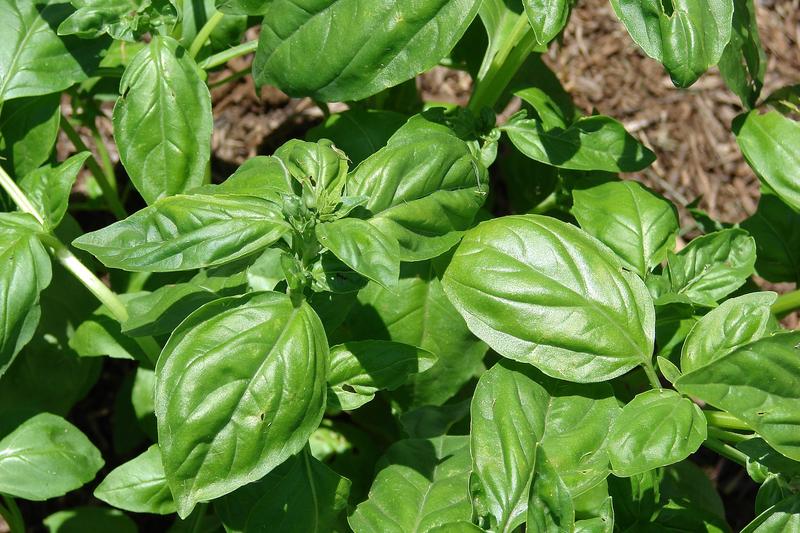
Quick facts
- Watering
- Every 2–3 days in warm weather
- Sunlight
- Full sun
- Soil
- Well-drained, fertile, moisture-retentive
- Humans
- Safe
- Cats
- Safe
- Dogs
- Safe
- Height
- 30–60 cm
- Spread
- 20–40 cm
- Spacing
- 20–30 cm apart
About Basil
Basil is a tender annual herb native to tropical regions of Asia and Africa, prized for its aromatic, bright green leaves and essential role in Mediterranean cuisine. In the UK, it is widely grown as a summer herb in containers, greenhouses, and sunny borders, though it requires protection from cold and frost. The plant produces bushy growth up to 60 cm tall, with glossy leaves and small white or purple flower spikes. British gardeners value basil not only for its culinary versatility in pesto, salads, and Italian dishes, but also as a companion plant that attracts pollinators and may deter certain pests.
UK fact: Basil was introduced to Britain during the 16th century and was initially grown as an ornamental curiosity in Tudor gardens, with herbalists such as John Gerard noting its 'excellent sweet smell' but warning against its supposed ability to breed scorpions in the brain—a myth thankfully dispelled by modern gardening.
Watering Basil
Water basil at the base of the plant in the morning, allowing excess to drain freely—avoid wetting the foliage, which encourages downy mildew in the UK's humid climate. Container-grown plants dry out quickly in summer and may need daily watering during hot spells, whilst those in the ground require less frequent irrigation. Reduce watering in cooler, overcast periods to prevent fungal problems. Mulching around outdoor plants helps retain moisture and keeps roots warm.
Sunlight requirements
In the UK, position basil in the sunniest spot available—ideally a south-facing windowsill, greenhouse, or sheltered patio. Outdoor plants benefit from a warm wall that radiates heat, whilst those grown indoors may need supplementary grow lights during dull British summers. Insufficient light results in pale, flavourless leaves and increased susceptibility to fungal disease.
Soil and feeding
Use a high-quality, peat-free multipurpose compost for containers, or enrich garden beds with well-rotted compost or manure before planting. The ideal pH range is 6.0–7.0; basil struggles in heavy clay unless amended with grit and organic matter to improve structure. In the UK, raised beds or containers offer better control over drainage and soil temperature, which is critical for this heat-loving herb. Avoid compacted or waterlogged soils, which quickly lead to root diseases.
Begin feeding two weeks after planting or when seedlings have developed their first true leaves, using a half-strength tomato feed or general-purpose liquid fertiliser. Container-grown basil benefits from more frequent feeding than plants in the ground, as nutrients leach away with regular watering. Avoid high-nitrogen feeds late in the season, which promote soft growth vulnerable to cold damage.
Pruning Basil
Begin pinching out the top two leaves once plants reach 15 cm tall, repeating every week or two to promote side shoots. Remove any flower buds as soon as they appear, as flowering signals the plant to stop producing tender leaves and concentrate energy on seed production. Harvest leaves from the top down, taking no more than one-third of the plant at a time to maintain vigour. In late summer, you can take a more substantial harvest before the first frosts, as outdoor plants will not survive the British winter.
Propagating Basil
Sow seeds under cover from March to May, as basil requires warmth (15–20°C) to germinate reliably—a heated propagator or warm windowsill is ideal in the UK. Alternatively, take 10 cm cuttings from healthy, non-flowering shoots in summer, removing lower leaves and placing them in water or moist compost until roots develop. Softwood cuttings root within 1–2 weeks and provide a quick way to propagate favourite varieties. Harden off indoor-raised plants gradually before moving them outside after all risk of frost has passed, typically late May or early June.
Common problems
Basil is susceptible to downy mildew in the UK's cool, humid conditions, appearing as yellowing leaves with grey-purple fuzz beneath—improve air circulation and avoid overhead watering to reduce risk. Aphids and whitefly can colonise soft new growth, particularly on greenhouse plants; control with insecticidal soap or by encouraging natural predators. Slugs and snails may damage young plants outdoors, whilst cold temperatures below 10°C cause blackening and collapse of foliage. Overwatering or poor drainage leads to root rot and sudden wilting, so ensure containers have adequate drainage holes.
Spot a problem with your plant? Photograph the affected area using the Loam app and it will suggest the most likely cause and treatment.
Safety
- Humans
- Safe
- Cats
- Safe
- Dogs
- Safe
Toxicity information is for general guidance only.
Seasonal care calendar
Monthly care guide for Basil in the UK, based on average conditions.
| Month | Care tasks |
|---|---|
| January | No action needed. Basil cannot survive outdoors; enjoy dried or frozen leaves from last season's harvest. |
| February | No action needed. Plan your basil varieties for the coming season and order seeds. |
| March | Sow seeds indoors in a heated propagator or on a warm windowsill at 15–20°C. Keep compost moist and provide good light. |
| April | Continue sowing seeds for succession planting. Pot on early seedlings into individual pots. Maintain warmth and avoid cold draughts. |
| May | Harden off indoor-raised plants from late May. Pinch out growing tips to encourage bushy growth. Plant out only after all risk of frost has passed. |
| June | Plant basil outdoors in warm, sheltered spots or keep in containers on sunny patios. Begin regular feeding and watering. Pinch out flower buds. |
| July | Harvest leaves regularly to encourage fresh growth. Water daily in hot weather. Continue pinching out flowers and feed fortnightly. |
| August | Peak harvest period—pick leaves frequently for fresh use or preserving. Take softwood cuttings to propagate new plants. Monitor for aphids and mildew. |
| September | Continue harvesting before cooler nights arrive. Bring container plants indoors to extend the season. Reduce watering as growth slows. |
| October | Take a final outdoor harvest before frosts. Move any remaining plants to a bright, warm windowsill or greenhouse. Outdoor plants will soon succumb to cold. |
| November | Maintain indoor plants with reduced watering and feeding. Provide supplementary light if possible to prolong leaf production. |
| December | Keep indoor basil in the warmest, brightest spot available. Water sparingly. Fresh leaves may still be harvested from healthy plants. |
Frequently asked questions
- How do I stop my basil leaves turning yellow?
- Yellowing basil leaves usually indicate overwatering, poor drainage, or downy mildew—a common fungal disease in the UK's humid climate. Ensure pots have drainage holes, water at the base rather than overhead, improve air circulation, and remove affected leaves promptly. Check soil moisture before watering: the top inch should feel dry to the touch.
- Why does my basil keep getting problems and how can I tell what's wrong?
- Basil is sensitive to temperature, watering, light levels, and humidity—getting the balance right in UK conditions can be tricky. Common issues include yellowing leaves (overwatering or mildew), brown edges (underwatering), leggy growth (insufficient light), and wilting (cold shock). The Loam app can help diagnose specific problems from photos, provide personalised care reminders based on your conditions, and alert you to potential issues before they become serious.
- Can I grow basil from cuttings?
- Yes, basil propagates easily from cuttings taken in spring or summer. Snip 10cm stems just below a leaf node, remove the lower leaves, and place in a glass of water on a sunny windowsill. Roots typically appear within 1-2 weeks. Once roots are 2-3cm long, pot up into compost. This method is ideal for maintaining favourite varieties or creating new plants from supermarket basil you've successfully revived.
Got a question about growing Basil that isn't covered here? Ask the Garden Advisor in the Loam app. It knows your saved plants and local conditions.
Related plants
This page was compiled with AI assistance and reviewed by our team. .