Oregano
Origanum vulgare
Herbs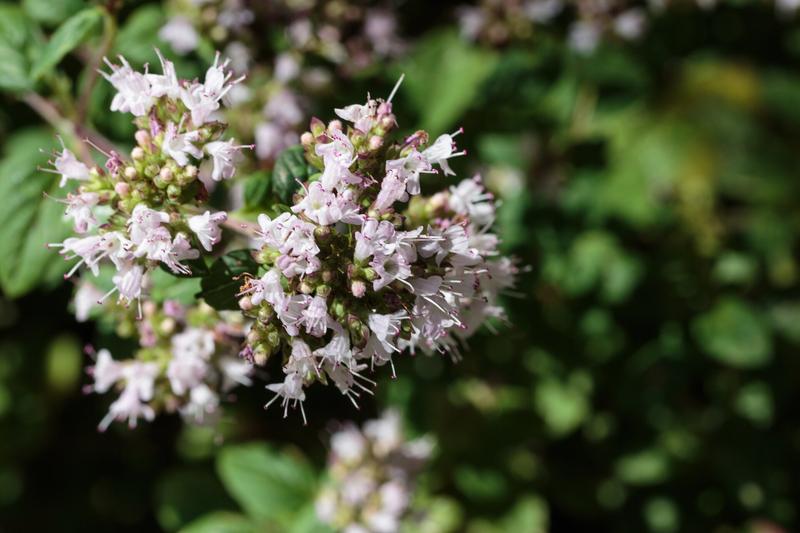
Quick facts
- Watering
- Fortnightly once established
- Sunlight
- Full sun
- Soil
- Well-drained, lean, alkaline soil
- Humans
- Safe
- Cats
- Safe
- Dogs
- Safe
- Height
- 30–60 cm
- Spread
- 30–45 cm
- Spacing
- 30–40 cm apart
About Oregano
Oregano is a hardy, aromatic perennial herb native to the Mediterranean, forming bushy clumps of small, oval leaves with a warm, pungent flavour. In summer, it produces clusters of tiny pink or white flowers that attract bees and butterflies. UK gardeners prize it for its culinary versatility in Italian and Greek dishes, its drought tolerance once established, and its ability to thrive in sunny borders, containers, and herb gardens. The flavour intensifies when grown in full sun with lean soil, making it ideal for British gardens with well-drained conditions.
UK fact: Oregano has been grown in British monastery gardens since medieval times, where it was valued both as a culinary herb and for its medicinal properties, particularly for digestive complaints and as an antiseptic.
Watering Oregano
Water newly planted oregano regularly for the first month to establish roots, then reduce frequency significantly. Established plants need watering only during prolonged dry spells, typically every two weeks in summer if rainfall is scarce. Oregano actively dislikes wet feet and performs poorly in consistently moist soil. In containers, allow the compost to dry out between waterings, and ensure excellent drainage to prevent waterlogging during wet British autumns and winters.
Sunlight requirements
Position oregano in a south or west-facing spot receiving at least six hours of direct sunlight daily. In the UK, maximum sun exposure is essential for concentrating the aromatic oils that give oregano its characteristic flavour. Avoid shaded positions under trees or north-facing walls, as insufficient light results in weak, flavourless growth and increased susceptibility to fungal problems in our damp climate.
Soil and feeding
Plant oregano in light, sandy or gravelly soil with a pH between 6.5 and 8.0, ideally slightly alkaline. If your garden has heavy clay, improve drainage by incorporating horticultural grit or sharp sand, or grow in raised beds. Avoid adding compost or manure, as overly fertile soil produces soft, disease-prone growth with weak flavour. In containers, use a soil-based compost mixed 50:50 with horticultural grit to ensure rapid drainage, essential for preventing root rot during wet British winters.
Avoid feeding oregano in the ground, as it thrives in lean conditions that concentrate its essential oils. Container-grown plants may benefit from a single application of half-strength liquid seaweed feed in late spring, but no more. Overfed oregano becomes lush and leafy but loses its pungent flavour and becomes more susceptible to aphids and fungal diseases common in the UK climate.
Pruning Oregano
Harvest stems regularly throughout the growing season, cutting just above a leaf node to encourage bushier growth. After flowering in late summer, cut the entire plant back by half to two-thirds to promote fresh, flavourful foliage and maintain a compact shape. In early spring, remove any dead or frost-damaged stems and trim back woody growth to encourage new shoots from the base. This annual rejuvenation prevents plants becoming straggly and unproductive, a common problem with neglected oregano in British gardens.
Propagating Oregano
The quickest method is taking 7-10cm softwood cuttings in May or June, which root readily in gritty compost. Alternatively, divide established clumps in March or September, replanting healthy outer sections and discarding woody centres. Seed-grown oregano is variable in flavour and slower to establish, taking 12-18 months to reach harvestable size. For consistent culinary quality, propagate vegetatively from a plant with proven flavour rather than growing from seed.
Common problems
Oregano is generally trouble-free in UK gardens but can suffer from root rot in poorly drained or waterlogged soil, particularly during wet winters. Aphids occasionally colonise soft new growth in spring, especially on overfed plants; treat by squashing or spraying with soapy water. Powdery mildew may appear on foliage in humid conditions with poor air circulation; improve spacing and avoid overhead watering. In very wet summers, fungal leaf spots can develop, but these rarely cause serious harm and can be managed by removing affected leaves and ensuring good drainage.
Spot a problem with your plant? Photograph the affected area using the Loam app and it will suggest the most likely cause and treatment.
Safety
- Humans
- Safe
- Cats
- Safe
- Dogs
- Safe
Toxicity information is for general guidance only.
Seasonal care calendar
Monthly care guide for Oregano in the UK, based on average conditions.
| Month | Care tasks |
|---|---|
| January | No action needed. Plants are dormant and require no attention during winter. |
| February | Check plants for frost damage and ensure good drainage around roots to prevent waterlogging. |
| March | Prune away dead stems and tidy plants as new growth emerges. Divide established clumps if needed. Sow seed under cover. |
| April | Plant out container-grown plants. Begin light harvesting of fresh leaves as growth accelerates. Apply mulch of grit around plants. |
| May | Harvest regularly to encourage bushy growth. Take softwood cuttings. Plant out hardened-off seedlings after last frosts. |
| June | Continue harvesting stems for fresh use. Take cuttings. Water container plants during dry spells but avoid overwatering. |
| July | Harvest heavily just before flowering for drying, when flavour is most concentrated. Allow some flowers for pollinators. |
| August | Cut back after flowering to promote fresh growth. Continue harvesting. Deadhead to prevent self-seeding if desired. |
| September | Divide overgrown clumps. Reduce watering as growth slows. Take final harvests before flavour declines in autumn. |
| October | Tidy plants and remove dead foliage. Protect container-grown plants from excessive autumn rain by moving under cover. |
| November | Ensure good drainage around plants before winter. No harvesting as plants enter dormancy. |
| December | No action needed. Plants are fully dormant and require no winter care. |
Frequently asked questions
- How do I stop oregano becoming woody and unproductive?
- Cut plants back hard by half to two-thirds after flowering each August, and again lightly in early spring. This annual pruning prevents woodiness and encourages fresh, flavourful growth from the base. Replace very old, woody plants every four to five years.
- Why has my oregano lost its flavour and how can I fix it?
- Flavourless oregano usually results from insufficient sunlight, overly rich or moist soil, or excessive feeding. Move to a sunnier spot, improve drainage, avoid fertilisers, and allow soil to dry between waterings to restore pungency. If you're unsure about light levels or soil conditions, the Loam app can help diagnose environmental issues and provide personalised care recommendations for your specific growing conditions.
- How do I propagate oregano from cuttings?
- Take 8-10cm softwood cuttings from non-flowering shoots in late spring or early summer. Remove lower leaves, dip the cut end in hormone rooting powder, and insert into pots of gritty compost. Keep in a bright spot out of direct sun and maintain light moisture. Cuttings typically root within three to four weeks and can be potted on individually once established.
Got a question about growing Oregano that isn't covered here? Ask the Garden Advisor in the Loam app. It knows your saved plants and local conditions.
Related plants
This page was compiled with AI assistance and reviewed by our team. .