Tomato
Solanum lycopersicum
Vegetables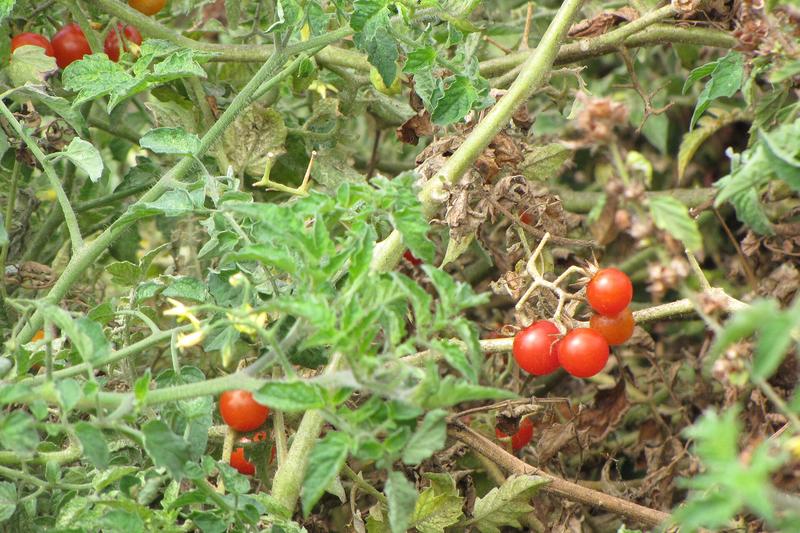
Quick facts
- Watering
- Daily when fruiting
- Sunlight
- Full sun
- Soil
- Rich, well-drained, moisture-retentive
- Humans
- Toxic
- Cats
- Toxic
- Dogs
- Toxic
- Height
- 30–250 cm
- Spread
- 30–90 cm
- Spacing
- 45–60 cm apart
About Tomato
The tomato is a tender annual vegetable grown for its juicy, flavourful fruits that range from cherry-sized to large beefsteak varieties. Originally from South America, tomatoes have become a staple of British kitchen gardens and allotments since their introduction in the 16th century. UK gardeners prize them for their versatility in cooking and the superior flavour of home-grown fruit compared to shop-bought alternatives. They thrive in greenhouses, polytunnels, and sunny sheltered spots outdoors during the British summer.
UK fact: The RHS holds National Plant Collections of tomatoes, and many heritage British varieties such as 'Ailsa Craig' (introduced 1910) remain popular with UK gardeners for their reliable performance in our climate.
Watering Tomato
Keep soil evenly moist but not waterlogged, watering at the base to avoid wetting foliage. During the UK summer, greenhouse tomatoes may need watering twice daily in hot weather, while outdoor plants typically require daily watering once fruiting begins. Irregular watering causes fruit to split and can lead to blossom end rot, a calcium deficiency disorder exacerbated by water stress. Mulching helps retain moisture and regulate soil temperature.
Sunlight requirements
Position tomatoes in the sunniest spot available, ideally south-facing in the UK. Greenhouse cultivation extends the season and improves reliability in cooler regions. Outdoor plants benefit from sheltered positions against warm walls or fences that reflect heat and provide protection from wind.
Soil and feeding
Grow in soil enriched with well-rotted manure or garden compost, ideally prepared the previous autumn. The optimal pH range is 6.0-6.8, slightly acidic to neutral. For container growing, use a high-quality peat-free multipurpose or vegetable compost, with pots at least 30cm diameter for bush varieties and 45cm for cordons. Avoid planting in the same soil as the previous year to reduce disease risk.
Apply a balanced liquid feed when plants are establishing, then switch to a high-potash tomato feed (such as comfrey liquid or proprietary tomato fertiliser) once the first truss begins to set fruit. Feed weekly for greenhouse plants and twice weekly for those in containers, which deplete nutrients more rapidly. Consistent feeding prevents deficiency disorders and promotes heavy, flavourful crops.
Pruning Tomato
For cordon (indeterminate) tomatoes, pinch out side shoots that develop in leaf axils weekly to maintain a single main stem. Stop plants by removing the growing tip two leaves above the fourth or fifth truss in outdoor cultivation (late July/early August in the UK) to allow existing fruits to ripen before autumn. Bush (determinate) varieties require no side-shooting. Remove lower leaves once fruit trusses have set to improve air circulation and reduce disease risk.
Propagating Tomato
Sow seeds in modules or small pots of seed compost at 18-21°C, typically 6-8 weeks before the last expected frost date in your area. Germination occurs within 7-14 days. Pot on seedlings into 9cm pots once large enough to handle, then into final positions when 15-20cm tall with flowers just beginning to show. Harden off outdoor plants gradually over 10-14 days before planting out after all frost risk has passed, typically late May to early June in most of the UK.
Common problems
Tomatoes are susceptible to blight (Phytophthora infestans), particularly in wet UK summers, causing brown patches on leaves and fruit rot; remove affected material promptly and consider blight-resistant varieties. Blossom end rot appears as dark, sunken patches on fruit bases and results from calcium deficiency caused by irregular watering. Whitefly and aphids can infest greenhouse plants, while outdoor tomatoes may suffer from potato cyst eelworm in contaminated soil. Split fruits occur due to irregular watering, and green fruits failing to ripen often result from insufficient warmth or light in the British climate.
Spot a problem with your plant? Photograph the affected area using the Loam app and it will suggest the most likely cause and treatment.
Safety
- Humans
-
Toxic
Foliage and unripe green fruits contain toxic alkaloids (tomatine and solanine) that can cause gastrointestinal upset if consumed in quantity. Ripe fruits are safe and nutritious.
- Cats
-
Toxic
All green parts of the plant contain solanine and tomatine, which are toxic to cats and can cause drooling, vomiting, diarrhoea, and lethargy if ingested.
- Dogs
-
Toxic
Foliage, stems, and unripe fruits contain toxic alkaloids that can cause gastrointestinal upset, weakness, and confusion in dogs. Ripe red fruits are generally safe in small quantities.
Toxicity information is for general guidance only. If a person or pet has been exposed to this plant and you are concerned, seek advice from a medical professional or vet.
Seasonal care calendar
Monthly care guide for Tomato in the UK, based on average conditions.
| Month | Care tasks |
|---|---|
| January | Order seeds from catalogues and plan varieties for the coming season. Clean and disinfect greenhouse and equipment ready for sowing. |
| February | Sow seeds indoors from late February in a heated propagator or warm windowsill at 18-21°C for greenhouse crops. |
| March | Continue sowing for outdoor crops. Pot on early seedlings into 9cm pots. Maintain warmth and good light to prevent leggy growth. |
| April | Pot on into larger containers. Plant greenhouse tomatoes into their final positions from mid-April. Begin hardening off outdoor plants towards month end. |
| May | Plant out hardened-off tomatoes outdoors after last frost, typically late May. Provide support and begin removing side shoots from cordons. Water regularly. |
| June | Continue side-shooting cordons weekly. Begin feeding with high-potash fertiliser once first fruits set. Water daily in warm weather. Monitor for pests and diseases. |
| July | Harvest early greenhouse varieties. Stop outdoor cordons in late July by removing growing tips. Feed weekly and water consistently. Remove lower leaves to improve air circulation. |
| August | Peak harvest period for most varieties. Continue feeding and watering. Watch for blight symptoms in wet weather and remove affected foliage immediately. |
| September | Harvest remaining outdoor fruits before first frost. Ripen green tomatoes indoors on windowsills or in drawers with a ripe banana. Clear spent plants to compost. |
| October | Finish harvesting greenhouse crops. Clear all plant material and clean greenhouse thoroughly to prevent overwintering pests and diseases. |
| November | No action needed. Use stored green tomatoes for chutney or allow to ripen indoors. |
| December | No action needed. Review the season's performance and plan variety choices for next year. |
Frequently asked questions
- How do I stop my tomato plants from growing too tall?
- Pinch out the growing tip of cordon (tall) varieties once they've reached your desired height or produced enough trusses—typically 4-5 outdoors or 6-7 in a greenhouse. Also pinch out side shoots regularly where they form between the main stem and leaf branches. For naturally compact growth, choose determinate bush varieties instead. Remove lower leaves progressively as plants grow to improve air circulation and direct energy to fruit production.
- Why are my tomato leaves turning yellow?
- Yellowing leaves can indicate several issues: overwatering or underwatering, nitrogen deficiency, magnesium deficiency (yellowing between veins on older leaves), or early signs of disease like blight or fusarium wilt. Check soil moisture levels first and ensure consistent watering. If the problem persists or you notice other symptoms like spots or wilting, the Loam app can help diagnose the specific cause through photo analysis and provide tailored treatment recommendations for your growing conditions.
- What type of fertiliser should I use for tomatoes?
- Once flowering begins, switch to a high-potassium tomato fertiliser (such as liquid tomato feed) applied weekly to promote fruiting rather than leafy growth. Before flowering, a balanced general-purpose fertiliser supports establishment. Avoid high-nitrogen feeds once plants are mature as these encourage foliage at the expense of fruit. Container-grown tomatoes need more frequent feeding than those in the ground. Organic options include comfrey tea or seaweed-based feeds.
Got a question about growing Tomato that isn't covered here? Ask the Garden Advisor in the Loam app. It knows your saved plants and local conditions.
Related plants
This page was compiled with AI assistance and reviewed by our team. .