Pepper
Capsicum annuum
Vegetables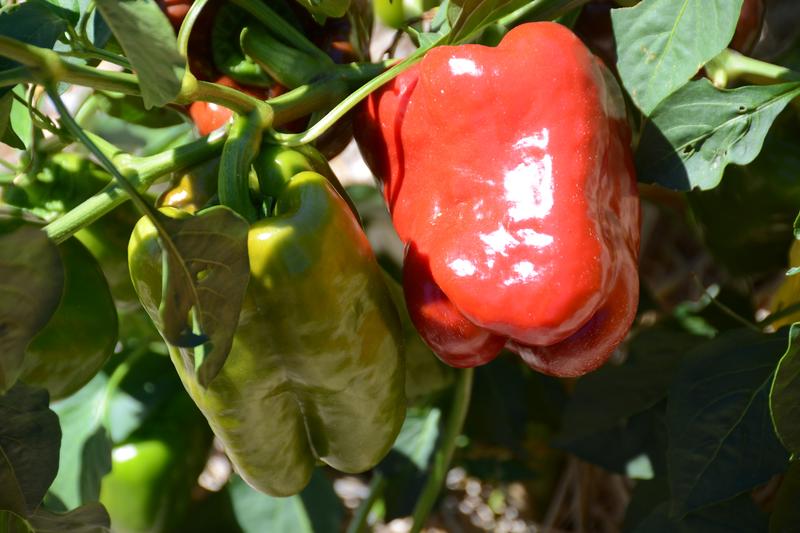
Quick facts
- Watering
- Daily when fruiting
- Sunlight
- Full sun
- Soil
- Well-drained, rich, moisture-retentive
- Humans
- Safe
- Cats
- Safe
- Dogs
- Safe
- Height
- 45–90 cm
- Spread
- 40–60 cm
- Spacing
- 45–50 cm apart
- RHS recognition
- Award of Garden Merit
About Pepper
Peppers are tender annual vegetables producing colourful, glossy fruits that ripen from green to red, yellow, orange, or purple depending on variety. Native to Central and South America, they were introduced to Europe in the 16th century and have become a popular greenhouse and polytunnel crop in the UK. British gardeners prize them for their sweet flavour, nutritional value, and the satisfaction of growing a crop that thrives with warmth and attention. In favourable summers, peppers can succeed outdoors in sheltered southern gardens, though most UK growers achieve better results under cover.
UK fact: The RHS has awarded its Award of Garden Merit to several pepper varieties including 'Mohawk' and 'Redskin', recognising their reliable performance in British growing conditions and excellent flavour when grown under protection.
Watering Pepper
Water peppers regularly to maintain even soil moisture, as fluctuations can cause blossom end rot and poor fruit development. During the fruiting period from July onwards, plants may require daily watering in warm weather, particularly those grown in containers or growbags. Always water at the base of the plant rather than overhead to reduce disease risk, and ensure excellent drainage as peppers are susceptible to root rot in waterlogged conditions. Reduce watering slightly as fruits ripen to concentrate flavours.
Sunlight requirements
Position peppers in the sunniest spot available, ideally in a south-facing greenhouse, polytunnel, or conservatory where they'll receive consistent warmth and light. Outdoors, choose a sheltered south-facing wall or the warmest microclimate in your garden. In northern regions or cooler summers, greenhouse cultivation is essential for reliable cropping, as peppers need sustained temperatures above 15°C to set fruit and ripen properly.
Soil and feeding
Grow peppers in nutrient-rich multipurpose or vegetable compost with added perlite or vermiculite for drainage, or in well-prepared garden soil enriched with plenty of well-rotted manure or garden compost. The ideal pH range is 6.0-6.8, slightly acidic to neutral, which optimises nutrient availability. Container-grown plants perform excellently in 7.5-10 litre pots filled with quality compost, whilst greenhouse border soil should be refreshed annually or replaced every few years to prevent disease build-up. Good drainage is critical as peppers will not tolerate waterlogged roots.
Begin feeding peppers with a balanced liquid fertiliser fortnightly after planting out, then switch to a high-potash tomato feed once flowers appear to encourage fruit set and development. Apply weekly throughout summer, following manufacturer's instructions to avoid over-feeding which can promote excessive foliage at the expense of fruits. Plants in containers require more frequent feeding than those in greenhouse borders due to limited nutrient reserves.
Pruning Pepper
When pepper plants reach approximately 20cm in height, pinch out the main growing tip to promote branching and a bushier, more productive plant structure. Remove the first few flowers that appear to allow the plant to establish a strong root system and framework before fruiting. As the season progresses, remove any yellowing lower leaves to improve air circulation and reduce disease risk. Towards late August in the UK, pinch out any new flowers as they won't have time to develop into ripe fruits before autumn, allowing the plant to focus energy on ripening existing peppers.
Propagating Pepper
Sow pepper seeds in a heated propagator or warm windowsill from late February through April, allowing 12-16 weeks before the last frost for plants to reach transplanting size. Seeds require consistent warmth of 21-25°C to germinate reliably within 7-14 days. Pot on seedlings individually once large enough to handle, gradually acclimatising them to cooler conditions before planting into their final positions in late May or early June. In the UK climate, peppers must be started early indoors as they need a long, warm growing season to produce and ripen fruits successfully.
Common problems
Peppers are susceptible to aphids, particularly greenfly, which cluster on new growth and can transmit viruses; control with insecticidal soap or biological controls. Blossom end rot, caused by calcium deficiency linked to irregular watering, appears as dark sunken patches on fruit bases and is prevented by consistent moisture levels. Red spider mite thrives in hot, dry greenhouse conditions, causing stippled leaves and webbing; maintain humidity and use biological control. Botrytis (grey mould) can affect fruits and stems in damp, poorly ventilated conditions, so ensure good air circulation and remove affected material promptly.
Spot a problem with your plant? Photograph the affected area using the Loam app and it will suggest the most likely cause and treatment.
Safety
- Humans
- Safe
- Cats
- Safe
- Dogs
- Safe
Toxicity information is for general guidance only.
Seasonal care calendar
Monthly care guide for Pepper in the UK, based on average conditions.
| Month | Care tasks |
|---|---|
| January | Plan varieties and order seeds. Prepare greenhouse or growing area, cleaning glass and checking heating systems. |
| February | Sow seeds in heated propagator at 21-25°C from late February onwards. Maintain consistent warmth and moisture for germination. |
| March | Continue sowing seeds early in month. Pot on February-sown seedlings into individual 7.5cm pots. Provide maximum light and maintain 18-21°C. |
| April | Pot on developing plants into larger containers. Pinch out growing tips at 20cm height. Begin feeding with balanced liquid fertiliser fortnightly. |
| May | Harden off plants gradually from mid-month. Plant into final positions in greenhouse or polytunnel from mid-May, outdoors only after all frost risk passes. |
| June | Complete planting out. Remove first flowers to strengthen plants. Water regularly and increase ventilation in greenhouses. Begin high-potash feeding when flowers appear. |
| July | Feed weekly with tomato fertiliser. Water daily in warm weather. Provide support for heavily laden branches. Monitor for pests, especially aphids and red spider mite. |
| August | Continue feeding and watering. Harvest ripe peppers regularly. Pinch out new flowers late in month to focus energy on ripening existing fruits. |
| September | Harvest remaining peppers as they ripen. Green fruits can be picked and will ripen indoors on a sunny windowsill. Reduce watering as cropping slows. |
| October | Harvest all remaining fruits before first frost. Clear spent plants from greenhouse and compost healthy material. Clean growing area thoroughly. |
| November | No action needed. Review season's performance and note successful varieties for next year's planning. |
| December | No action needed. Browse seed catalogues and plan next season's pepper varieties. |
Frequently asked questions
- How do I know when to water my pepper plants?
- Water when the top 2-3cm of compost feels dry to the touch, typically every 2-3 days in warm weather. Peppers need consistent moisture during flowering and fruiting—wilting leaves indicate underwatering, whilst yellowing lower leaves may suggest overwatering. The Loam app can send personalised watering reminders based on your conditions and help diagnose moisture-related problems through its plant health checker.
- Why are my pepper plant leaves turning yellow?
- Yellow leaves on peppers commonly result from overwatering, nitrogen deficiency, or natural aging of lower leaves. Check soil moisture levels and ensure good drainage. If upper leaves yellow, this may indicate nutrient deficiency—feed with a balanced liquid fertiliser weekly once flowering begins. The Loam app's diagnostic tool can analyse photos of your plant to identify the specific cause and recommend targeted solutions.
- What compost should I use for growing peppers?
- Use a high-quality peat-free multipurpose compost or specialist vegetable growing medium with good drainage. Peppers prefer slightly acidic conditions (pH 6.0-6.8) and benefit from compost enriched with organic matter. For container growing, add perlite or vermiculite to improve drainage. Feed regularly from flowering onwards as nutrients in compost deplete after 4-6 weeks.
Got a question about growing Pepper that isn't covered here? Ask the Garden Advisor in the Loam app. It knows your saved plants and local conditions.
Related plants
This page was compiled with AI assistance and reviewed by our team. .