Aubergine
Solanum melongena
Vegetables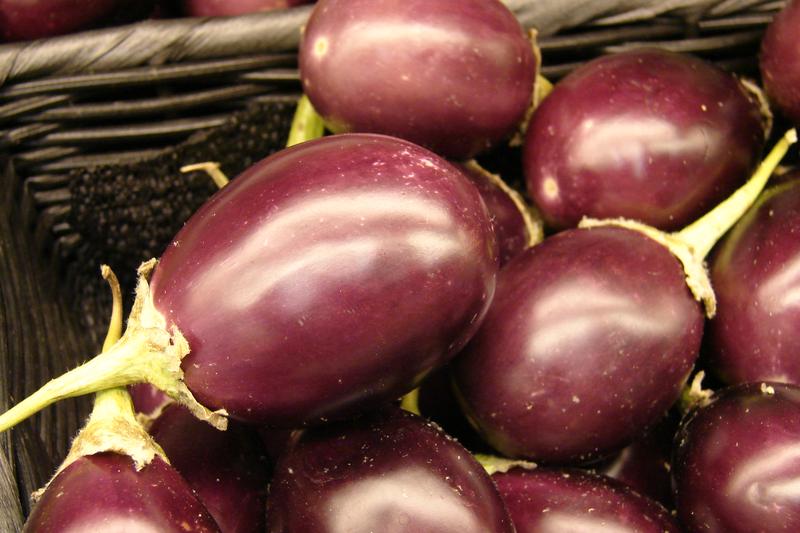
Quick facts
- Watering
- Daily when fruiting
- Sunlight
- Full sun
- Soil
- Rich, moisture-retentive, well-drained
- Humans
- Toxic
- Cats
- Toxic
- Dogs
- Toxic
- Height
- 60–90 cm
- Spread
- 45–60 cm
- Spacing
- 45–60 cm apart
About Aubergine
Aubergine is a tender perennial vegetable grown as an annual in the UK, producing glossy purple, white, or striped fruits on bushy plants with velvety leaves. Native to India and Southeast Asia, it has been cultivated for thousands of years and reached Europe via Arab traders in the Middle Ages. British gardeners prize aubergines for their rich, meaty texture in Mediterranean and Asian dishes, though they require warmth and protection to crop successfully in our climate. With greenhouse or polytunnel cultivation, UK growers can achieve excellent yields of this versatile summer vegetable.
UK fact: Aubergines were once considered ornamental curiosities in Victorian Britain, grown more for their exotic appearance than culinary use, until Mediterranean cuisine became popular in the mid-20th century.
Watering Aubergine
Water regularly to keep compost moist but never saturated, increasing frequency as plants grow and fruit develops. During peak fruiting in July and August, plants may need watering twice daily in hot weather, particularly those in containers or grow bags. Irregular watering causes blossom end rot and bitter-tasting fruits. Apply water directly to the soil rather than overhead to reduce fungal disease risk in humid greenhouse conditions.
Sunlight requirements
Position in the sunniest, warmest spot available, ideally in a greenhouse, polytunnel, or against a south-facing wall. In cooler UK regions, outdoor cultivation is unreliable and greenhouse growing is essential for a worthwhile crop. Even in southern England, plants benefit from cloche protection early in the season and during cool spells.
Soil and feeding
Grow in soil enriched with well-rotted manure or garden compost, or use quality multipurpose compost in containers and grow bags. The ideal pH is slightly acidic to neutral, between 5.5 and 7.0. Heavy clay soils should be improved with organic matter and grit to prevent waterlogging. Container growing is popular in the UK as it allows plants to be moved into protection and provides the warm root environment aubergines prefer.
Begin feeding fortnightly with balanced liquid fertiliser after planting out, then switch to weekly high-potash tomato feed once the first flowers open. Continue feeding throughout the cropping period until September. Plants in containers require more frequent feeding than those in open ground due to limited nutrient reserves.
Pruning Aubergine
When plants reach approximately 30cm in height, pinch out the main growing tip to promote branching and a bushier habit. Once five or six fruits have formed, remove any additional flowers and small fruits to concentrate the plant's energy into developing larger, better-quality aubergines. In the UK's shorter growing season, limiting fruit numbers ensures they ripen before autumn. Remove any yellowing lower leaves to improve air circulation and reduce disease risk in humid greenhouse conditions.
Propagating Aubergine
Sow seeds in February or March in a heated propagator at 21-25°C, as germination is slow and erratic at lower temperatures. Seedlings require warm conditions (minimum 16°C) and good light to prevent legginess. Pot on into individual 9cm pots when large enough to handle, then into final 23-25cm containers or grow bags in late May after all frost risk has passed. Aubergines cannot be propagated from cuttings successfully in home growing situations.
Common problems
Aubergines are susceptible to glasshouse whitefly and red spider mite in warm greenhouse conditions; use biological controls or insecticidal soap for management. Aphids cluster on shoot tips and flower buds, weakening plants and spreading viruses. Blossom end rot, caused by calcium deficiency linked to irregular watering, appears as dark, sunken patches on fruit bases. Grey mould (botrytis) can affect fruits and stems in poorly ventilated, humid conditions, so ensure good air circulation and remove affected material promptly.
Spot a problem with your plant? Photograph the affected area using the Loam app and it will suggest the most likely cause and treatment.
Safety
- Humans
-
Toxic
Unripe fruits and all green plant parts contain solanine, which can cause nausea and digestive upset if consumed. Ripe fruits are safe to eat when cooked.
- Cats
-
Toxic
Contains solanine, which is toxic to cats and can cause vomiting, diarrhoea, and lethargy if ingested. Keep plants out of reach.
- Dogs
-
Toxic
Contains solanine, which is toxic to dogs and can cause gastrointestinal upset, weakness, and confusion if consumed. Prevent access to plants.
Toxicity information is for general guidance only. If a person or pet has been exposed to this plant and you are concerned, seek advice from a medical professional or vet.
Seasonal care calendar
Monthly care guide for Aubergine in the UK, based on average conditions.
| Month | Care tasks |
|---|---|
| January | Order seeds from catalogues and prepare heated propagator for February sowing. |
| February | Sow seeds in heated propagator at 21-25°C. Prepare greenhouse borders with compost and manure. |
| March | Continue sowing until mid-month. Pot on early seedlings into 9cm pots. Maintain warm conditions above 16°C. |
| April | Pot on into larger containers. Pinch out growing tips when plants reach 30cm. Begin hardening off towards month end. |
| May | Complete hardening off and plant into final positions after last frost. Water regularly and begin fortnightly feeding. |
| June | Water daily in warm weather. Switch to weekly high-potash feeding when flowers appear. Provide support and tie in stems. |
| July | Continue watering and feeding. Remove excess fruits, leaving 5-6 per plant. Monitor for pests, especially whitefly and red spider mite. |
| August | Harvest fruits when glossy and firm. Continue watering and feeding. Remove any new flowers to focus energy on ripening existing fruits. |
| September | Harvest remaining fruits before first frost. Remove plants once cropping finishes and clear greenhouse space. |
| October | No action needed. Clear plant debris and clean greenhouse to prevent overwintering pests. |
| November | No action needed. |
| December | No action needed. Review season's performance and plan next year's varieties. |
Frequently asked questions
- When should I plant aubergine seeds in the UK?
- Sow aubergine seeds indoors between late February and early April at 21-25°C. Seeds typically germinate in 10-14 days. Prick out seedlings when large enough to handle, pot on as they grow, and transplant into final positions (greenhouse borders or large containers) in late May once all frost risk has passed and plants have 4-6 true leaves. Earlier sowings need supplementary heating.
- Why are my aubergine leaves turning yellow?
- Yellowing leaves can indicate several issues: overwatering or poor drainage causing root problems, nitrogen deficiency in underfed plants, red spider mite infestation (check for fine webbing underneath), or natural lower leaf aging. Check soil moisture levels, ensure regular feeding with a high-potash fertiliser, and examine leaf undersides for pests. The Loam app can help diagnose the specific cause through photo analysis and provide tailored treatment advice.
- Do aubergines need support as they grow?
- Yes, aubergines benefit from staking once they reach 30-40cm tall, as the stems can become top-heavy when fruiting. Use a sturdy cane and tie the main stem loosely with soft string. Pinch out the growing tip when plants reach 30-40cm to encourage bushier growth and side shoots. Support side branches individually if they carry heavy fruits. Remove lower leaves to improve air circulation.
Got a question about growing Aubergine that isn't covered here? Ask the Garden Advisor in the Loam app. It knows your saved plants and local conditions.
Related plants
This page was compiled with AI assistance and reviewed by our team. .