Potato
Solanum tuberosum
Vegetables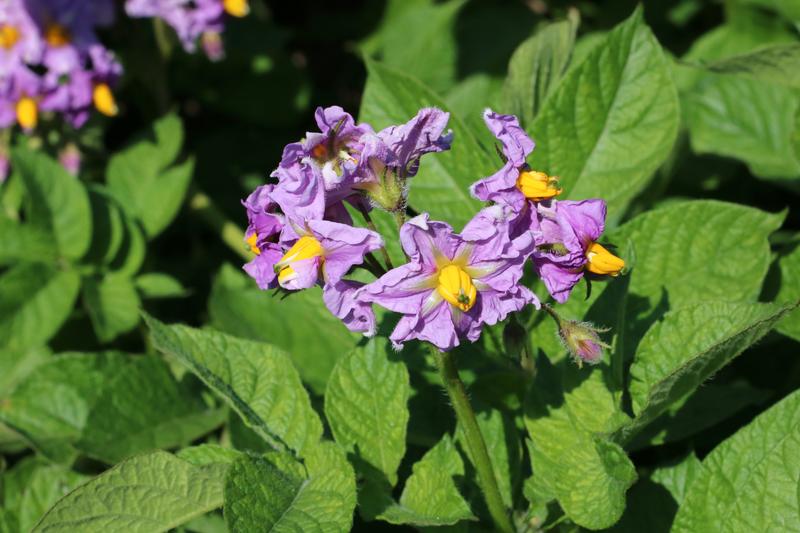
Quick facts
- Watering
- Weekly, more when tubers form
- Sunlight
- Full sun
- Soil
- Well-drained, fertile, slightly acidic
- Humans
- Toxic
- Cats
- Toxic
- Dogs
- Toxic
- Height
- 60–100 cm
- Spread
- 40–60 cm
- Spacing
- 30–38 cm apart
About Potato
Potato is a staple vegetable crop grown throughout the UK for its starchy, edible tubers that develop underground. Originally from South America, this herbaceous perennial (grown as an annual) produces upright stems with compound leaves and white to purple flowers, though most gardeners focus on the harvest beneath the soil. British gardeners prize potatoes for their versatility, storage potential, and the superior flavour of freshly dug tubers compared to shop-bought varieties. With early, second early, and maincrop varieties available, potatoes can be harvested from June through to October.
UK fact: Potatoes have been grown in Britain since the late 16th century and became a dietary staple during the Industrial Revolution, with traditional varieties like 'King Edward' and 'Maris Piper' remaining beloved choices in British allotments and gardens for over a century.
Watering Potato
Keep soil consistently moist but not waterlogged throughout the growing season, particularly important during dry spells in May and June. Once flowers appear, increase watering to twice weekly if rainfall is insufficient, as this is when tubers are actively swelling and require most moisture. In typical British summers, natural rainfall often suffices, but during dry periods provide 20-25 litres per square metre weekly. Avoid overhead watering which can encourage blight; instead, water at the base of plants early in the day.
Sunlight requirements
Choose the sunniest spot in your garden or allotment, as potatoes need strong light to photosynthesise effectively and develop healthy tubers. In the UK, south-facing positions are ideal, though they'll tolerate light shade for part of the day. Avoid planting in heavily shaded areas under trees or north-facing walls, as this will significantly reduce yields.
Soil and feeding
Prepare beds in autumn or early spring by digging in plenty of well-rotted manure or garden compost to improve soil structure and fertility. Potatoes prefer slightly acidic conditions with a pH of 5.0-6.0, which also helps prevent scab disease. Heavy clay soils should be improved with organic matter and grit to prevent waterlogging, whilst sandy soils benefit from added compost to retain moisture. Avoid freshly limed soil as alkaline conditions increase the risk of scab and reduce yields.
Incorporate well-rotted manure or compost into the soil before planting rather than applying high-nitrogen fertilisers, which promote excessive foliage at the expense of tubers. A general-purpose organic fertiliser such as blood, fish and bone can be applied at planting time. Avoid feeding once plants are established, as potatoes draw nutrients from the enriched soil throughout the season.
Pruning Potato
Potatoes don't require pruning in the traditional sense, though some gardeners pinch out flowers as they appear to encourage the plant to focus energy on tuber development rather than seed production. This is optional and makes minimal difference to yields. Cut back foliage to ground level once it turns yellow and dies back naturally, usually 2-3 weeks before harvesting maincrop varieties. For early potatoes, foliage can be left until harvest time.
Propagating Potato
Purchase certified seed potatoes from reputable suppliers in late winter, avoiding supermarket potatoes which may carry disease or be treated to prevent sprouting. Chit seed potatoes by placing them rose-end up (the end with most eyes) in egg boxes or seed trays in a cool, light, frost-free location for 4-6 weeks before planting. Plant out from late March (earlies) through to mid-May (maincrop) once shoots are 2-3cm long. Whilst you can save your own tubers, certified seed potatoes are disease-free and give more reliable results.
Common problems
Potato blight (Phytophthora infestans) is the most serious disease in the UK, causing brown patches on leaves and rotting tubers, particularly during warm, humid summers; grow resistant varieties and remove affected foliage immediately. Slugs can damage tubers underground, especially in wet seasons, whilst wireworms create small holes in potatoes on newly cultivated ground. Scab causes rough, corky patches on skin but doesn't affect eating quality; it's worse in alkaline, dry soils. Blackleg causes stems to blacken and collapse, usually from infected seed potatoes, so always buy certified stock.
Spot a problem with your plant? Photograph the affected area using the Loam app and it will suggest the most likely cause and treatment.
Safety
- Humans
-
Toxic
Green potatoes and all foliage contain toxic glycoalkaloids (solanine) which can cause nausea, vomiting, and neurological effects. Always remove green portions and sprouts before cooking.
- Cats
-
Toxic
All green parts, raw potatoes, and foliage contain solanine which is toxic to cats, causing gastrointestinal upset, weakness, and confusion if ingested.
- Dogs
-
Toxic
Green potatoes, raw potatoes, and all foliage contain solanine which is toxic to dogs, potentially causing vomiting, diarrhoea, tremors, and seizures.
Toxicity information is for general guidance only. If a person or pet has been exposed to this plant and you are concerned, seek advice from a medical professional or vet.
Seasonal care calendar
Monthly care guide for Potato in the UK, based on average conditions.
| Month | Care tasks |
|---|---|
| January | Order seed potatoes from catalogues and suppliers, selecting early, second early, and maincrop varieties for succession planting. |
| February | Begin chitting seed potatoes in a cool, light, frost-free location. Prepare beds by digging in well-rotted manure or compost. |
| March | Plant first early varieties from late March onwards in prepared trenches. Protect emerging shoots from late frosts with fleece or straw. |
| April | Plant second earlies in early April and maincrop varieties mid to late April. Begin earthing up first earlies as shoots emerge. |
| May | Continue earthing up all varieties every 2-3 weeks. Water regularly during dry spells and watch for signs of frost damage or blight. |
| June | Harvest first early potatoes from mid-June onwards. Maintain earthing up and watering. Monitor for blight and aphids, especially in humid weather. |
| July | Continue harvesting earlies and begin lifting second earlies. Water maincrop varieties generously during tuber formation. Check regularly for blight. |
| August | Finish harvesting second earlies. Water maincrop potatoes during dry spells. Remove any blight-affected foliage immediately to prevent spread. |
| September | Begin harvesting maincrop varieties once foliage has died back. Allow tubers to dry before storing in hessian sacks in a cool, dark, frost-free place. |
| October | Complete maincrop harvest before heavy frosts. Store undamaged tubers in paper or hessian sacks, checking regularly for rot. |
| November | Clear all remaining foliage and plant debris to prevent overwintering of pests and diseases. Check stored potatoes and remove any showing signs of rot. |
| December | Plan next year's potato crop, considering crop rotation. Check stored tubers monthly and maintain cool, dark, frost-free storage conditions. |
Frequently asked questions
- How do I earth up potatoes properly?
- Earth up potatoes when shoots reach 20-25cm tall by drawing soil up around stems, leaving just the top leaves exposed. Repeat every 2-3 weeks to create a ridge 15-20cm high. This protects developing tubers from light (preventing greening), improves drainage, increases yield, and helps prevent blight spores reaching tubers.
- What's wrong with my potato plants if the leaves are turning yellow?
- Yellowing potato leaves can indicate several issues: nutrient deficiency (particularly nitrogen), overwatering, underwatering, early blight, or natural senescence in maincrop varieties. Check soil moisture, look for brown spots (blight), and examine lower versus upper leaves. The Loam app can help diagnose the specific problem through photo analysis and provide personalised treatment advice based on your growing conditions.
- What type of soil do potatoes need?
- Potatoes thrive in fertile, well-drained, slightly acidic soil (pH 5.0-6.0). They prefer loose, friable soil that allows tubers to expand easily. Avoid freshly manured ground as this encourages scab; instead, add well-rotted compost or manure the autumn before planting. Heavy clay soils benefit from added organic matter and grit to improve drainage and structure.
Got a question about growing Potato that isn't covered here? Ask the Garden Advisor in the Loam app. It knows your saved plants and local conditions.
Related plants
This page was compiled with AI assistance and reviewed by our team. .