Sweet Potato
Ipomoea batatas
Vegetables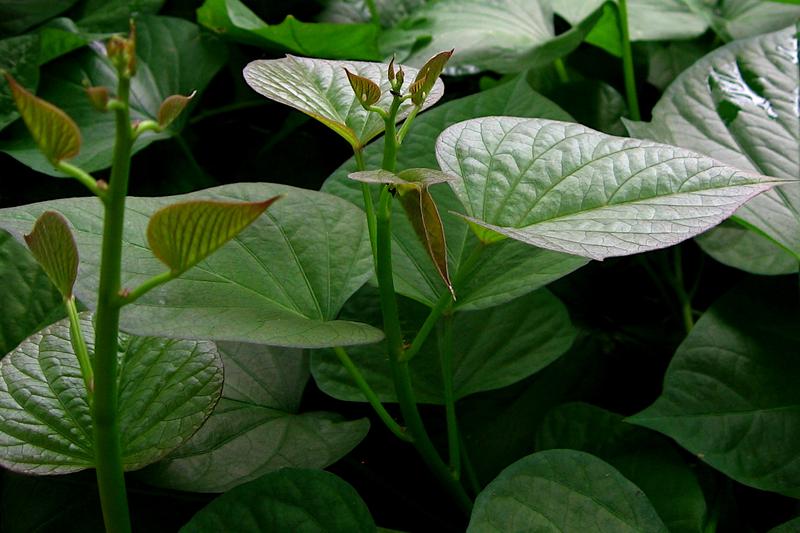
Quick facts
- Watering
- Weekly, increasing during tuber formation
- Sunlight
- Full sun
- Soil
- Light, well-drained, sandy loam
- Humans
- Safe
- Cats
- Safe
- Dogs
- Safe
- Height
- 30–45 cm
- Spread
- 150–300 cm
- Spacing
- 30–45 cm apart
About Sweet Potato
Sweet potato is a tender, trailing perennial grown as an annual for its edible tuberous roots, producing heart-shaped leaves and occasionally trumpet-shaped purple flowers. Native to Central and South America, this warm-climate crop has become increasingly popular with British gardeners seeking to grow exotic vegetables in polytunnels and sunny borders. The vigorous vines can spread up to 3 metres, making them suitable for larger growing spaces or containers. UK gardeners prize sweet potatoes for their nutritious orange or purple flesh and the satisfaction of harvesting a tropical crop in a temperate climate.
UK fact: Sweet potatoes have been successfully grown in Britain since the 1990s, with trials at RHS Garden Wisley demonstrating that varieties such as 'Beauregard' and 'T65' can produce good yields when grown under protection, even in cooler regions of the UK.
Watering Sweet Potato
Establish a consistent watering regime, providing approximately 2.5 cm of water per week during the growing season. Increase watering frequency during July and August when tubers are actively swelling, ensuring the soil remains moist to a depth of 15-20 cm. Reduce watering in September to allow tubers to mature and develop better storage qualities. In polytunnels, monitor soil moisture carefully as plants can dry out rapidly in warm conditions, but avoid overhead watering which encourages fungal diseases.
Sunlight requirements
Position in the sunniest, most sheltered spot available, ideally in a south-facing polytunnel or greenhouse where temperatures remain consistently warm. In southern England, outdoor cultivation is possible against a south-facing wall with cloches or fleece protection during cooler periods. The plants need at least 6-8 hours of direct sunlight daily to produce a worthwhile harvest, making them unsuitable for shaded gardens.
Soil and feeding
Prepare beds with plenty of organic matter such as well-rotted compost or leaf mould to improve drainage and soil structure, aiming for a light, sandy loam texture. The ideal pH range is 5.5-6.5, slightly acidic to neutral, which can be tested and adjusted with sulphur or lime as needed. Avoid heavy clay soils which restrict tuber development and increase the risk of rot; if clay is unavoidable, grow in raised beds or large containers filled with a mixture of topsoil, compost, and sharp sand. Ridge planting on mounds 15-20 cm high improves drainage and warms the soil, encouraging better growth in the UK climate.
Apply a general-purpose fertiliser such as blood, fish and bone at planting time, then switch to a high-potassium tomato feed once plants are established in mid-summer. Feed every 2-3 weeks from July onwards to support tuber swelling, but avoid high-nitrogen feeds which produce excessive foliage. Potassium encourages root development and improves the flavour and storage quality of harvested tubers.
Pruning Sweet Potato
Pinch out growing tips in July to encourage bushier growth and prevent vines from becoming unmanageably long in confined spaces. Remove any flowers that appear, as seed production diverts energy away from tuber development. In late August, trim back the most vigorous shoots to concentrate the plant's resources into swelling the tubers during the final weeks before harvest. Keep pathways clear by redirecting or trimming wayward stems throughout the growing season.
Propagating Sweet Potato
Purchase certified disease-free slips from specialist suppliers in spring, or produce your own by sprouting shop-bought organic sweet potatoes indoors from February onwards. Place tubers in a jar of water or pot of compost in a warm, bright location until shoots emerge, then carefully remove and root individual slips. Plant out slips only after all risk of frost has passed, typically late May or early June, when soil temperatures exceed 15°C. Slips establish quickly in warm, moist conditions and begin producing tubers within 12-16 weeks.
Common problems
Sweet potatoes are relatively trouble-free in the UK, though slugs and snails can damage young foliage and tubers near the soil surface. Red spider mite and whitefly may become problematic in warm polytunnel conditions; improve ventilation and consider biological controls. Fungal diseases such as black rot and stem rot can occur in waterlogged soil or excessively humid conditions, so ensure good drainage and air circulation. Tubers may fail to develop if temperatures are too cool or the growing season is too short, making protected cultivation essential in most of Britain.
Spot a problem with your plant? Photograph the affected area using the Loam app and it will suggest the most likely cause and treatment.
Safety
- Humans
- Safe
- Cats
- Safe
- Dogs
- Safe
Toxicity information is for general guidance only.
Seasonal care calendar
Monthly care guide for Sweet Potato in the UK, based on average conditions.
| Month | Care tasks |
|---|---|
| January | No action needed. Plan growing space and order slips from suppliers for spring delivery. |
| February | Start sprouting tubers indoors in a warm location to produce slips for planting out in late spring. |
| March | Continue sprouting tubers and prepare growing beds or containers with compost and organic matter. |
| April | Remove and root slips from sprouted tubers. Warm soil under black plastic or fleece in preparation for planting. |
| May | Harden off rooted slips and plant out after the last frost, typically late in the month. Protect with fleece if cold nights threaten. |
| June | Plant remaining slips early in the month. Water regularly and apply mulch to conserve moisture and suppress weeds. |
| July | Pinch out growing tips to encourage bushier growth. Begin feeding with high-potassium fertiliser every 2-3 weeks. |
| August | Continue watering and feeding as tubers swell. Trim back excessive vine growth to direct energy into tuber production. |
| September | Reduce watering to allow tubers to mature. Harvest before the first frost, typically mid to late month in most regions. |
| October | Complete harvest before frosts damage tubers. Cure harvested sweet potatoes in a warm, humid location for 10-14 days before storage. |
| November | Store cured tubers in a cool, dry place. Clear away spent vines and add to compost heap. |
| December | No action needed. Monitor stored tubers and remove any showing signs of rot. |
Frequently asked questions
- How do I know when my sweet potatoes are ready to harvest?
- Sweet potatoes are ready to harvest in September, typically 12-16 weeks after planting, when the foliage begins to yellow and die back. Check soil temperature has been consistently warm and gently excavate around one plant to assess tuber size. Lift carefully with a fork before the first frost to avoid damage, then cure in a warm location for 10-14 days to improve flavour and storage quality.
- Why are my sweet potato leaves turning yellow?
- Yellowing leaves on sweet potatoes can indicate several issues: natural senescence as harvest approaches (a good sign), nutrient deficiency, overwatering causing root rot, or pest damage. Check soil moisture levels and examine leaves for signs of pests or disease. The Loam app can help diagnose the specific cause by analysing photos of your plant and tracking environmental conditions to provide personalised care recommendations.
- What type of soil do sweet potatoes need?
- Sweet potatoes thrive in light, well-draining, sandy or loamy soil with a pH of 5.5-6.5. Heavy clay soils should be improved with plenty of organic matter and sharp sand to prevent waterlogging and allow tubers to develop freely. Avoid freshly manured soil as excess nitrogen promotes leafy growth at the expense of tuber formation; instead, incorporate well-rotted compost several weeks before planting and use a high-potassium fertiliser during the growing season.
Got a question about growing Sweet Potato that isn't covered here? Ask the Garden Advisor in the Loam app. It knows your saved plants and local conditions.
Related plants
This page was compiled with AI assistance and reviewed by our team. .