Butternut Squash
Cucurbita moschata
Vegetables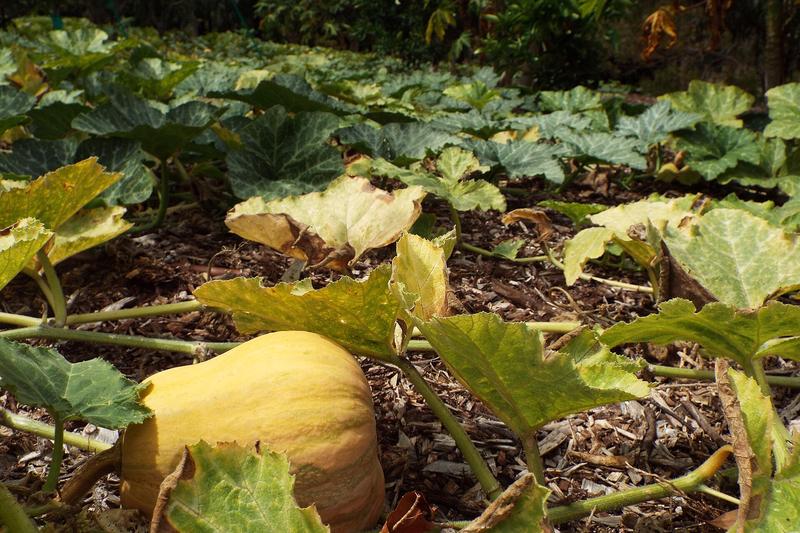
Quick facts
- Watering
- Weekly, more when fruiting
- Sunlight
- Full sun
- Soil
- Rich, well-drained, moisture-retentive
- Humans
- Safe
- Cats
- Safe
- Dogs
- Safe
- Height
- 30–45 cm
- Spread
- 180–300 cm
- Spacing
- 90–120 cm apart
About Butternut Squash
Butternut squash is a vigorous trailing vine producing distinctive bell-shaped fruits with sweet, nutty orange flesh and smooth tan skin. Native to Central and South America, this warm-season crop has become increasingly popular in British kitchen gardens as gardeners seek reliable, storage-worthy vegetables. The large, lobed leaves and bright yellow flowers make an attractive feature in the vegetable patch, whilst the fruits can store for months after harvest. Though requiring a long growing season, modern cultivars and careful site selection make butternut squash achievable for UK gardeners from Cornwall to the Scottish Borders.
UK fact: Butternut squash thrives particularly well in southern England's warmer microclimates, with many allotment holders in Kent and Sussex reporting harvests of 8–12 fruits per plant when grown against south-facing walls or in polytunnels to extend the growing season.
Watering Butternut Squash
Keep soil evenly moist but never waterlogged, providing approximately 25 litres per square metre weekly during dry spells. Once fruits begin to develop, increase watering to twice weekly, directing water at the base of plants rather than over foliage to reduce disease risk. In the final fortnight before harvest, reduce watering to encourage the skin to harden and improve storage quality. Mulch around plants with compost or straw to retain moisture and suppress weeds.
Sunlight requirements
Choose the sunniest, most sheltered spot in your garden, ideally a south-facing position protected from cold winds. In northern regions, consider growing against a sunny wall or fence to maximise reflected heat, or cultivate under cloches or in a polytunnel. The more warmth and light the plants receive, the better the fruit set and the sweeter the harvest.
Soil and feeding
Prepare planting sites by incorporating generous amounts of well-rotted manure or garden compost several weeks before planting, aiming for soil that is rich in organic matter. The ideal pH range is 6.0–6.8, slightly acidic to neutral. Heavy clay soils benefit from the addition of horticultural grit and organic matter to improve drainage, whilst sandy soils require extra compost to boost water retention. Many gardeners create individual planting mounds enriched with a bucketful of compost to provide the nutrient-rich conditions squash plants crave.
Begin feeding two weeks after planting out with a balanced liquid fertiliser, then switch to a tomato feed or similar high-potash formula once flowers appear. Apply every 10–14 days throughout the fruiting period, diluting according to manufacturer's instructions. Avoid excessive nitrogen feeding later in the season as this promotes leafy growth at the expense of fruit ripening.
Pruning Butternut Squash
Allow the main vine to grow freely until several fruits have formed, then pinch out the growing tip to stop further extension and encourage the plant to focus on swelling and ripening existing squashes. Remove any new flowers that appear after mid-August in most UK regions, as these are unlikely to mature before autumn frosts. Trim away any diseased or damaged leaves to improve air circulation, but retain healthy foliage to power fruit development. Some gardeners train vines onto supports or redirect them to prevent them sprawling into paths.
Propagating Butternut Squash
Butternut squash is grown from seed sown under cover in spring, as the UK climate is too cool for direct outdoor sowing in most regions. Sow seeds individually in 7.5cm pots filled with seed compost from mid-April onwards, placing pots in a heated propagator or on a warm windowsill at 18–21°C. Seedlings emerge within 5–10 days and should be grown on in good light until all frost risk has passed. Harden off plants gradually over 10–14 days before transplanting to their final positions in late May or early June when soil has warmed.
Common problems
Butternut squash can suffer from powdery mildew, particularly in humid conditions or when plants are stressed by irregular watering; ensure good air circulation and water at the base of plants. Slugs and snails target young seedlings and developing fruits, so use organic pellets or barriers to protect plants. Cucumber mosaic virus, spread by aphids, causes mottled, distorted leaves and poor fruit development; control aphids promptly and remove infected plants. Poor fruit set often results from inadequate pollination in cool, wet weather; hand-pollinate flowers on dull days by transferring pollen from male to female flowers using a soft brush.
Spot a problem with your plant? Photograph the affected area using the Loam app and it will suggest the most likely cause and treatment.
Safety
- Humans
- Safe
- Cats
- Safe
- Dogs
- Safe
Toxicity information is for general guidance only.
Seasonal care calendar
Monthly care guide for Butternut Squash in the UK, based on average conditions.
| Month | Care tasks |
|---|---|
| January | No action needed. Plan crop rotation and order seeds from catalogues. |
| February | No action needed. Prepare planting sites by incorporating well-rotted manure if weather permits. |
| March | Prepare planting beds with compost and manure. In mild regions or under glass, sow seeds towards month end. |
| April | Sow seeds indoors in individual pots from mid-month. Keep at 18–21°C and provide good light once germinated. |
| May | Continue indoor sowings early in month. Begin hardening off seedlings from mid-May. Plant out in warmest regions at month end after last frost. |
| June | Plant out hardened seedlings after first week when frost risk has passed. Water regularly, mulch around plants, and begin feeding with balanced fertiliser. |
| July | Water consistently, especially during dry spells. Switch to high-potash feed once flowering begins. Hand-pollinate flowers if weather is poor. |
| August | Continue watering and feeding. Pinch out growing tips once 3–4 fruits have set. Remove flowers appearing after mid-month. Place straw under developing fruits. |
| September | Reduce watering to harden skins. Remove foliage shading fruits to encourage ripening. Harvest mature squashes before first frost, leaving a stem attached. |
| October | Complete harvest before frosts arrive. Cure fruits in a warm, dry place for 10–14 days to harden skins for storage. |
| November | Clear spent plants and add to compost. Store cured squashes in a cool, dry place. Check stored fruits regularly and use any showing soft spots. |
| December | No action needed. Continue checking stored squashes and enjoy your harvest throughout winter. |
Frequently asked questions
- How do I know when butternut squash is ready to harvest?
- Harvest when the skin has turned fully tan or beige and cannot be pierced with a fingernail, the stem has begun to crack and dry, and the foliage is dying back, typically from late September to mid-October. Always harvest before the first frost, cutting fruits with 5–8cm of stem attached to aid storage.
- Why are my butternut squash leaves turning yellow?
- Yellowing leaves can indicate several issues including overwatering, nitrogen deficiency, powdery mildew, or natural ageing of lower foliage. Check soil moisture levels and ensure plants receive balanced feeding every fortnight during the growing season. If yellowing spreads rapidly or shows unusual patterns, use the Loam app's plant diagnosis feature to identify the specific problem and receive personalised treatment recommendations for your growing conditions.
- What type of soil does butternut squash need?
- Butternut squash thrives in rich, moisture-retentive but well-drained soil with a pH of 6.0–6.8. Prepare planting sites by incorporating generous amounts of well-rotted manure or garden compost several weeks before planting. The soil should be fertile and high in organic matter, as squash are heavy feeders. In heavy clay, improve drainage by adding horticultural grit and organic matter, or consider growing on mounds or raised beds.
Got a question about growing Butternut Squash that isn't covered here? Ask the Garden Advisor in the Loam app. It knows your saved plants and local conditions.
Related plants
This page was compiled with AI assistance and reviewed by our team. .