Cucumber
Cucumis sativus
Vegetables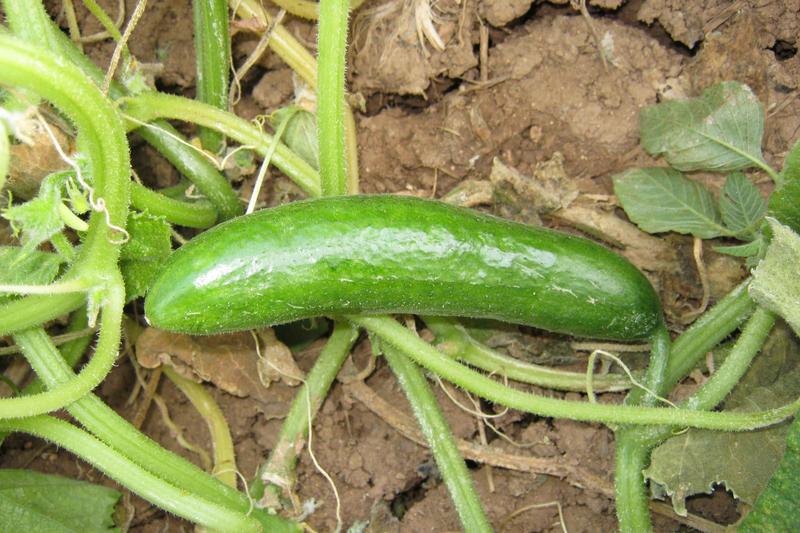
Quick facts
- Watering
- Daily when fruiting
- Sunlight
- Full sun
- Soil
- Rich, moisture-retentive, well-drained
- Humans
- Safe
- Cats
- Safe
- Dogs
- Safe
- Height
- 150–200 cm
- Spread
- 60–90 cm
- Spacing
- 45–60 cm apart
About Cucumber
Cucumber is a tender annual vine native to South Asia, grown throughout the UK for its crisp, refreshing fruits. The vigorous climbing or trailing plants produce large, rough leaves and yellow flowers followed by cylindrical green fruits that can reach 30cm or more in length. British gardeners prize cucumbers for salads and pickling, with greenhouse varieties offering the smoothest fruits and outdoor ridge types providing hardier, more textured options ideal for the unpredictable UK summer.
UK fact: The Victorian era saw cucumber cultivation reach its peak in Britain, with elaborate heated glasshouses dedicated solely to producing perfectly straight fruits for the tables of the wealthy, leading to the development of many British greenhouse varieties still grown today.
Watering Cucumber
Water regularly to keep the soil consistently moist but never waterlogged, as cucumbers have shallow roots that dry out quickly. During the UK summer, greenhouse plants may need watering twice daily in hot weather, whilst outdoor plants typically require daily watering once fruits begin to swell. Always water at the base of the plant to avoid wetting foliage, which can encourage powdery mildew. Irregular watering causes bitter fruits and can lead to blossom end rot, so maintain a steady regime throughout the growing season.
Sunlight requirements
Position greenhouse cucumbers in the sunniest part of your glasshouse, ideally on the south-facing side where they'll receive maximum light. Outdoor ridge cucumbers perform best in sheltered, south-facing beds protected from cold winds. In northern UK regions, a sunny spot against a south-facing wall can provide the extra warmth needed for reliable cropping.
Soil and feeding
Prepare beds by digging in generous amounts of well-rotted manure or garden compost several weeks before planting, aiming for soil that's rich in organic matter yet free-draining. Cucumbers prefer a slightly acidic to neutral pH of 6.0-7.0, which suits most UK garden soils. For greenhouse cultivation, use a soil-based compost such as John Innes No. 3 or a specialist vegetable growing medium. Heavy clay soils benefit from the addition of horticultural grit and organic matter to improve drainage, whilst sandy soils need extra compost to boost moisture retention.
Begin feeding with a balanced liquid fertiliser two weeks after planting, then switch to a high-potash tomato feed once the first flowers appear. Apply weekly throughout the cropping period, as cucumbers are hungry plants that quickly deplete soil nutrients. Greenhouse varieties particularly benefit from regular feeding due to their vigorous growth and extended cropping season.
Pruning Cucumber
Greenhouse cucumbers require regular training and pruning: pinch out the growing tip when plants reach the roof, and remove all side shoots and male flowers (those without a tiny fruit behind the bloom) to prevent pollination, which causes bitter fruits. Outdoor ridge cucumbers need less intervention—simply pinch out the main growing tip after 6-7 leaves to encourage side shoots, then allow these to trail naturally. Remove any yellowing or diseased leaves promptly to maintain air circulation and reduce disease risk throughout the growing season.
Propagating Cucumber
Sow seeds on their side in small pots of seed compost from mid-April for greenhouse crops or late April to early May for outdoor varieties, maintaining a temperature of 20-25°C for germination. Seeds typically germinate within 7-10 days and should be kept in a warm, bright position until planting out. Harden off outdoor plants gradually over 10-14 days before transplanting after all frost risk has passed, usually from late May in southern UK or early June in northern regions.
Common problems
Cucumbers are susceptible to powdery mildew, particularly in humid greenhouse conditions or during damp UK summers—ensure good ventilation and avoid overhead watering to minimise risk. Red spider mite and whitefly can be problematic under glass, whilst outdoor plants may suffer from cucumber mosaic virus transmitted by aphids, causing mottled, distorted leaves and poor fruiting. Slugs target young seedlings, and irregular watering leads to bitter fruits or blossom end rot, so maintain consistent moisture levels throughout the growing season.
Spot a problem with your plant? Photograph the affected area using the Loam app and it will suggest the most likely cause and treatment.
Safety
- Humans
- Safe
- Cats
- Safe
- Dogs
- Safe
Toxicity information is for general guidance only.
Seasonal care calendar
Monthly care guide for Cucumber in the UK, based on average conditions.
| Month | Care tasks |
|---|---|
| January | No action needed. Plan varieties and order seeds for the coming season. |
| February | No action needed. Prepare greenhouse borders by incorporating well-rotted manure. |
| March | Sow greenhouse varieties in a heated propagator from mid-month onwards for early crops. |
| April | Sow greenhouse cucumbers early month and outdoor ridge types from mid-April. Plant greenhouse seedlings into final positions from late April. |
| May | Continue sowing outdoor varieties until mid-month. Harden off outdoor plants and transplant after last frosts from late May in southern regions. Begin training greenhouse plants. |
| June | Plant out remaining outdoor cucumbers early month in northern UK. Pinch out tips, feed weekly, and water daily in warm weather. Begin harvesting greenhouse crops. |
| July | Harvest regularly to encourage continued production. Maintain daily watering and weekly feeding. Remove male flowers from greenhouse varieties and monitor for pests. |
| August | Continue harvesting, watering, and feeding. Watch for powdery mildew and maintain good ventilation. Outdoor crops reach peak production. |
| September | Harvest remaining fruits before first frosts. Greenhouse crops may continue into early autumn with protection. Reduce watering as growth slows. |
| October | Clear finished plants and add to compost. Clean greenhouse thoroughly to prevent overwintering pests and diseases. |
| November | No action needed. Review season's performance and note successful varieties for next year. |
| December | No action needed. Browse seed catalogues and plan next season's cucumber growing. |
Frequently asked questions
- How often should I water cucumber plants?
- Cucumbers need consistent watering—typically daily during warm weather, or every 2-3 days in cooler conditions. Soil should remain moist but not waterlogged. Container-grown plants require more frequent watering than those in the ground. Irregular watering causes stress, leading to bitter fruits and poor growth. Check soil moisture regularly by feeling the top 5cm of compost.
- Why are my cucumber leaves turning yellow?
- Yellowing leaves can indicate several issues: overwatering or poor drainage, nutrient deficiency (especially nitrogen), natural ageing of lower leaves, or disease such as downy mildew. Check soil moisture levels and ensure plants receive regular feeding with a balanced liquid fertiliser. If you're unsure of the cause, the Loam app can help diagnose the specific problem through photos and provide personalised treatment recommendations.
- When should I start feeding cucumber plants?
- Begin feeding cucumbers once the first fruits start to form, typically 4-6 weeks after planting. Use a high-potash liquid fertiliser (such as tomato feed) every 7-14 days to support fruit development. Plants in containers may need more frequent feeding than those in the ground. Avoid overfeeding young plants before flowering, as this encourages leafy growth at the expense of fruit production.
Got a question about growing Cucumber that isn't covered here? Ask the Garden Advisor in the Loam app. It knows your saved plants and local conditions.
Related plants
This page was compiled with AI assistance and reviewed by our team. .