Chilli
Capsicum frutescens
Vegetables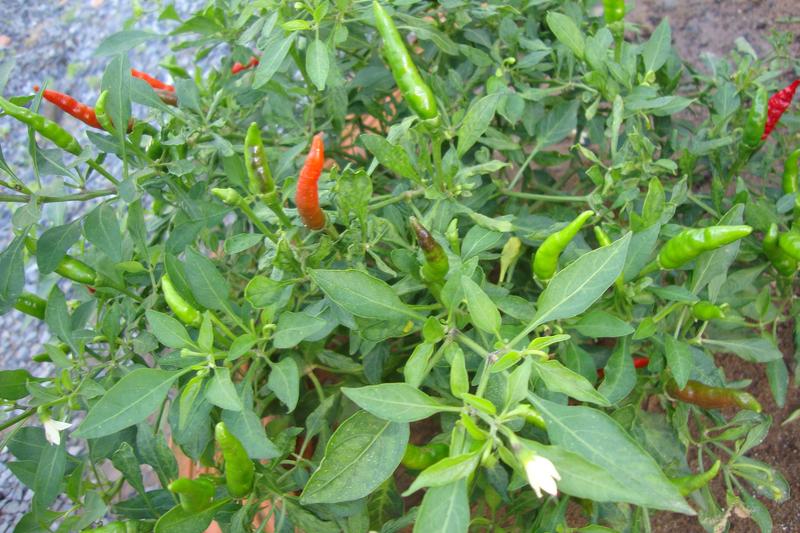
Quick facts
- Watering
- Daily when fruiting
- Sunlight
- Full sun
- Soil
- Well-drained, fertile compost
- Humans
- Safe
- Cats
- Toxic
- Dogs
- Toxic
- Height
- 45–120 cm
- Spread
- 30–60 cm
- Spacing
- 40–50 cm apart
About Chilli
Chilli is a tender perennial grown as an annual in the UK, producing fiery fruits in shades of red, orange, yellow, and green. Native to Central and South America, this compact bushy plant thrives in warm conditions and is popular in British greenhouses, conservatories, and sunny patios. UK gardeners prize chillies for their ornamental value and culinary versatility, with fruits ranging from mild to intensely hot. The glossy foliage and colourful peppers make them attractive container plants that deliver both beauty and flavour throughout the growing season.
UK fact: Chilli growing has surged in popularity across the UK since the 1990s, with dedicated British chilli festivals now held annually in locations from West Dean in Sussex to the National Chilli Festival, celebrating homegrown varieties that thrive in our polytunnels and greenhouses despite our cool maritime climate.
Watering Chilli
Water regularly throughout the growing season, allowing the top 2-3 cm of compost to dry between waterings. During flowering and fruiting, plants require daily watering in warm weather, particularly for container-grown specimens. Inconsistent watering causes blossom end rot and fruit drop, common problems in UK greenhouses during hot spells. Reduce watering slightly as fruits begin to ripen to concentrate flavour and heat, but never allow plants to wilt severely.
Sunlight requirements
Position in the sunniest spot available, ideally a south-facing greenhouse, conservatory, or sheltered patio. In the UK's cooler summers, chillies struggle outdoors except in the warmest southern regions, so glass or polytunnel protection significantly improves yields. Even in greenhouses, place plants where they receive at least 6-8 hours of direct sunlight daily for optimal fruit development and heat intensity.
Soil and feeding
Chillies thrive in fertile, well-drained growing media with a slightly acidic to neutral pH of 6.0-7.0. For containers, use a quality peat-free multipurpose compost mixed with 20% horticultural grit or perlite to ensure excellent drainage. In greenhouse borders, incorporate well-rotted compost or manure before planting. Heavy clay soils are unsuitable unless significantly improved with organic matter and grit, as waterlogging quickly causes root rot in these tender plants.
Begin feeding fortnightly with a balanced liquid fertiliser once plants are established, then switch to a high-potash tomato feed (such as Tomorite) weekly when the first flowers open. Continue feeding throughout the fruiting period to maintain productivity. Excessive nitrogen produces lush foliage at the expense of fruit, so avoid high-nitrogen feeds after the initial growth phase.
Pruning Chilli
Prune young plants by pinching out the main growing tip when they reach 20-30 cm tall to promote branching and increase fruit yield. Remove any flowers that appear before plants are well-established to direct energy into vegetative growth. Throughout the season, remove yellowing lower leaves to improve air circulation and reduce disease risk in humid greenhouse conditions. In late summer, pinch out any new flowers that won't have time to develop before autumn, allowing the plant to focus energy on ripening existing fruits.
Propagating Chilli
Chillies are reliably propagated from seed, requiring warmth (21-25°C) for successful germination. Sow seeds indoors from late February through April in a heated propagator or on a warm windowsill, as the long growing season means early sowing is essential for fruit ripening in the UK climate. Seeds typically germinate within 7-14 days. Pot on seedlings progressively into larger containers, hardening off gradually before moving to their final positions in late May or early June once all frost risk has passed.
Common problems
Aphids, whitefly, and red spider mite are common greenhouse pests that weaken plants and spread viruses; control with biological predators or insecticidal soap. Blossom end rot, caused by calcium deficiency linked to irregular watering, appears as dark sunken patches on fruit bases and is particularly problematic in containers during hot weather. Botrytis grey mould can affect fruits and stems in poorly ventilated greenhouses, especially during damp autumn weather. Failure to ripen is the most common UK problem, resulting from insufficient heat and light, so choose early-maturing varieties and maximise warmth through greenhouse cultivation.
Spot a problem with your plant? Photograph the affected area using the Loam app and it will suggest the most likely cause and treatment.
Safety
- Humans
- Safe
- Cats
-
Toxic
Contains capsaicin which can cause oral irritation, excessive drooling, vomiting, and gastrointestinal upset in cats if ingested.
- Dogs
-
Toxic
Contains capsaicin which causes oral pain, drooling, vomiting, and diarrhoea in dogs if consumed. Keep fruits out of reach.
Toxicity information is for general guidance only. If a pet has been exposed to this plant and you are concerned, seek advice from a vet.
Seasonal care calendar
Monthly care guide for Chilli in the UK, based on average conditions.
| Month | Care tasks |
|---|---|
| January | Order seeds from catalogues and prepare heated propagation equipment for February sowings. |
| February | Sow seeds in heated propagator at 21-25°C from mid-month onwards for earliest crops. |
| March | Continue sowing seeds. Pot on early seedlings into 9 cm pots. Maintain warmth and maximum light. |
| April | Final sowings for late crops. Pot on into larger containers. Pinch out growing tips when plants reach 20-30 cm. |
| May | Harden off plants from mid-month. Plant into final positions in greenhouse or large containers after last frosts. Begin feeding fortnightly. |
| June | Water daily in warm weather. Switch to weekly high-potash feeding when flowers appear. Support plants with canes if needed. |
| July | Maintain consistent watering and weekly feeding. Monitor for aphids and red spider mite. Remove lower yellowing leaves. |
| August | Continue watering and feeding. Harvest ripe fruits regularly to encourage further production. Pinch out new flowers late in month. |
| September | Harvest fruits as they ripen. Reduce watering slightly. Remove any remaining flowers to focus energy on ripening existing fruits. |
| October | Harvest all remaining fruits before first frosts. Green fruits can be ripened indoors on a sunny windowsill or used unripe. |
| November | Clear spent plants from greenhouse. Clean pots and equipment ready for next season. |
| December | No action needed. Plan varieties for next year's growing season. |
Frequently asked questions
- When should I feed chilli plants?
- Begin feeding once the first flowers appear, typically 8-12 weeks after sowing. Use a high-potassium tomato fertiliser weekly throughout the growing season to promote flowering and fruit development. Avoid high-nitrogen feeds which encourage leafy growth at the expense of fruit. Container-grown plants require more frequent feeding than those in greenhouse borders. Stop feeding in autumn as growth slows.
- What's wrong with my chilli plant leaves?
- Leaf problems have various causes: yellowing suggests nutrient deficiency or overwatering, brown edges indicate inconsistent watering or low humidity, while pale or distorted leaves may signal pest damage from aphids, whitefly, or spider mites. Curling leaves often result from environmental stress or viral infection. The Loam app can help diagnose specific leaf symptoms through photos and provide tailored treatment advice based on your growing conditions.
- How do I pollinate chilli plants in a greenhouse?
- Chillies are self-fertile but benefit from pollination assistance in greenhouses where natural pollinators are scarce. Gently shake plants daily when flowers are open, or use a small soft brush to transfer pollen between flowers. Alternatively, tap the main stem to vibrate flowers. Maintain daytime temperatures of 21-27°C and humidity around 60-70% for best pollen viability. Poor pollination results in flower drop and reduced fruit set.
Got a question about growing Chilli that isn't covered here? Ask the Garden Advisor in the Loam app. It knows your saved plants and local conditions.
Related plants
This page was compiled with AI assistance and reviewed by our team. .