Chives
Allium schoenoprasum
Herbs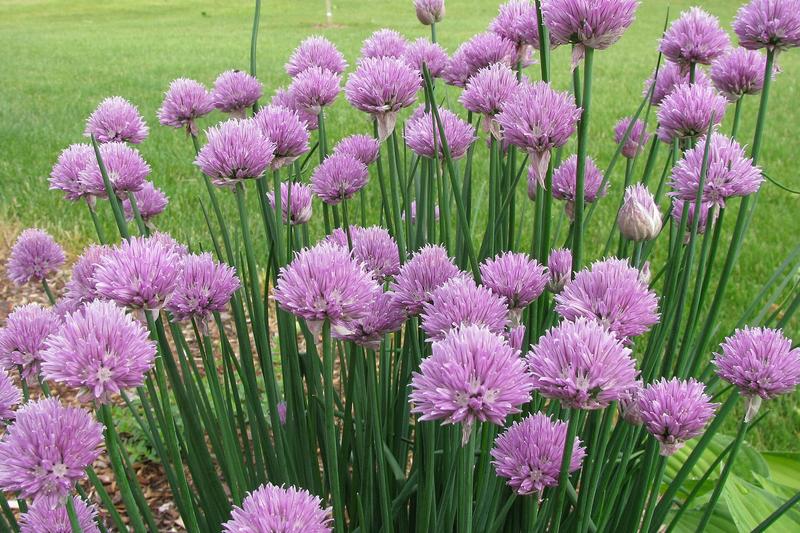
Quick facts
- Watering
- Weekly during dry spells
- Sunlight
- Full sun to partial shade
- Soil
- Moist, well-drained, fertile
- Humans
- Safe
- Cats
- Toxic
- Dogs
- Toxic
- Height
- 20–30 cm
- Spread
- 20–30 cm
- Spacing
- 15–20 cm apart
- RHS recognition
- Award of Garden Merit
About Chives
Chives are a hardy perennial herb native to Europe and Asia, forming neat clumps of slender, hollow, grass-like leaves with a mild onion flavour. In late spring and early summer, they produce attractive globe-shaped purple-pink flowers that are both edible and highly attractive to pollinators. British gardeners prize chives for their ease of cultivation, year-round availability of fresh leaves, and dual role as both a culinary herb and ornamental edging plant. They have been grown in British kitchen gardens for centuries and remain one of the most reliable and low-maintenance herbs for UK conditions.
UK fact: Chives have been cultivated in British monastery gardens since medieval times and were traditionally planted around vegetable patches to deter aphids and other pests, a practice still recommended by the RHS today.
Watering Chives
Chives prefer evenly moist soil and should be watered regularly during dry spells, particularly in summer when they're actively growing. Established clumps are reasonably drought-tolerant but produce the best, most tender leaves when kept consistently moist. Water at the base of the plant rather than overhead to reduce the risk of fungal issues, and ensure the soil drains freely to prevent waterlogging. Container-grown chives will need more frequent watering, potentially twice weekly in hot weather, as pots dry out more quickly than garden soil.
Sunlight requirements
Position chives in full sun for the best leaf production and most prolific flowering, ideally receiving at least six hours of direct sunlight daily. They will tolerate partial shade, particularly in hotter southern regions, though growth may be slightly slower and flowers less abundant. South-facing or west-facing positions are ideal in most UK gardens, whilst north-facing spots should be avoided unless they receive good indirect light.
Soil and feeding
Chives thrive in rich, moisture-retentive soil with good drainage, performing well in most garden soils provided they're not waterlogged or extremely acidic. They prefer a pH between 6.0 and 7.0, though they tolerate slightly alkaline conditions. Improve heavy clay soils by incorporating organic matter and grit to enhance drainage, whilst sandy soils benefit from generous additions of compost or well-rotted manure to improve moisture retention. For container cultivation, use a good-quality peat-free multipurpose compost mixed with a handful of horticultural grit.
Feed chives monthly from April to September with a balanced liquid fertiliser to maintain vigorous growth and leaf production. Container-grown plants benefit from more regular feeding, every two to three weeks, as nutrients leach from pots more quickly. A spring mulch of well-rotted compost or manure around established clumps provides slow-release nutrients throughout the season.
Pruning Chives
Harvest chives regularly by cutting leaves to within 5cm of the soil surface, which encourages fresh, tender regrowth and prevents the clump from becoming straggly. Deadhead spent flowers promptly after blooming to prevent excessive self-seeding, though you may wish to leave some flowers for the bees. Cut the entire plant back to ground level in autumn once foliage begins to yellow, or leave until early spring if you prefer a tidier winter garden. Every three to four years, lift and divide congested clumps in spring or autumn to rejuvenate growth.
Propagating Chives
The simplest method of propagating chives is by division, which also rejuvenates older clumps that have become congested. Lift established plants in March or April (or September to October) and gently tease apart the bulbous roots into smaller sections, each containing at least six small bulbs. Replant divisions immediately at the same depth, spacing them 15–20cm apart. Alternatively, sow seeds directly outdoors from March to May, or start them indoors in modules from February for earlier crops.
Common problems
Chives are generally trouble-free but can occasionally suffer from rust, which appears as orange pustules on leaves, particularly in damp conditions with poor air circulation. Leek moth caterpillars may tunnel into leaves, causing white streaks and damage, though this is less common than on leeks and onions. Onion white rot is a serious soil-borne fungal disease that can affect chives, causing yellowing foliage and white fungal growth at the base, and infected plants should be removed and destroyed. Overwatering or poorly drained soil can lead to root rot, so ensure good drainage and avoid waterlogged conditions.
Spot a problem with your plant? Photograph the affected area using the Loam app and it will suggest the most likely cause and treatment.
Safety
- Humans
- Safe
- Cats
-
Toxic
Chives contain compounds that can cause gastrointestinal upset and damage to red blood cells in cats. Keep plants out of reach of curious felines.
- Dogs
-
Toxic
Chives contain thiosulphates that can cause gastrointestinal irritation and damage to red blood cells in dogs. Prevent access to plants.
Toxicity information is for general guidance only. If a pet has been exposed to this plant and you are concerned, seek advice from a vet.
Seasonal care calendar
Monthly care guide for Chives in the UK, based on average conditions.
| Month | Care tasks |
|---|---|
| January | No action needed. Plants are dormant or semi-dormant in most regions. |
| February | Sow seeds indoors in modules on a windowsill or in a heated propagator for early crops. |
| March | Divide established clumps and replant. Sow seeds directly outdoors. Cut back any dead foliage from winter. |
| April | Continue sowing seeds. Begin regular harvesting of leaves. Apply a balanced liquid feed to encourage growth. |
| May | Harvest leaves regularly. Enjoy the edible flowers as they appear. Water during dry spells. |
| June | Deadhead spent flowers to prevent self-seeding or leave some for pollinators. Continue regular harvesting and watering. |
| July | Maintain regular watering during dry weather. Feed monthly with liquid fertiliser. Harvest leaves as needed. |
| August | Continue harvesting and watering. Remove any yellowing or damaged foliage to maintain plant health. |
| September | Divide congested clumps if needed. Reduce watering as growth slows. Continue light harvesting. |
| October | Cut back yellowing foliage to ground level or leave until spring. Mulch around plants with compost. |
| November | No action needed. Plants enter dormancy as temperatures drop. |
| December | No action needed. Protect container-grown plants from severe frost by moving to a sheltered spot. |
Frequently asked questions
- How do I divide chives?
- Lift established clumps in spring or autumn using a fork, then gently pull apart into smaller sections with at least six bulbs each. Replant divisions immediately at the same depth, spacing 15–20cm apart, and water well until established.
- Why are my chives turning yellow?
- Yellowing leaves can indicate overwatering, poor drainage, nutrient deficiency, or natural autumn dieback. Check soil moisture and drainage, apply a balanced feed during the growing season, and cut back yellowing foliage in autumn as plants enter dormancy. The Loam app can help diagnose specific problems by analysing photos of your plant and tracking watering patterns to prevent issues.
- Can chives survive winter outdoors in the UK?
- Yes, chives are fully hardy throughout the UK and will survive winter outdoors without protection. The foliage dies back in autumn but regrows vigorously in spring. Container-grown plants may benefit from moving to a sheltered spot during severe frost.
Got a question about growing Chives that isn't covered here? Ask the Garden Advisor in the Loam app. It knows your saved plants and local conditions.
Related plants
This page was compiled with AI assistance and reviewed by our team. .