Onion
Allium cepa
Vegetables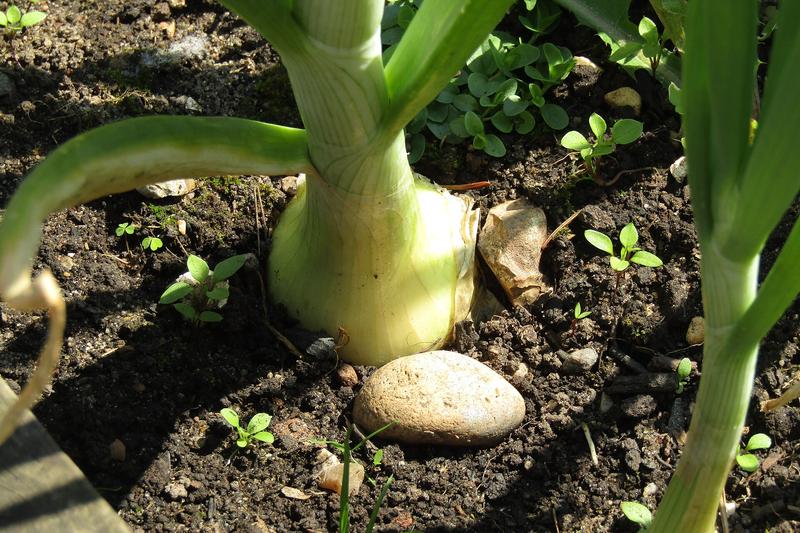
Quick facts
- Watering
- Weekly during bulb development
- Sunlight
- Full sun
- Soil
- Well-drained, fertile, neutral soil
- Humans
- Safe
- Cats
- Toxic
- Dogs
- Toxic
- Height
- 30–60 cm
- Spread
- 10–15 cm
- Spacing
- 10–15 cm apart
About Onion
Onions are essential bulbous vegetables forming layered, papery-skinned bulbs in shades of white, yellow, or red. Native to Central Asia, they have been cultivated for thousands of years and remain a staple crop in British kitchen gardens. UK gardeners value onions for their long storage life, culinary versatility, and relatively straightforward cultivation in our temperate climate. They can be grown from sets (small bulbs) or seed, with autumn and spring planting options suited to different varieties.
UK fact: The British onion-growing tradition is celebrated annually at shows across the country, with competitive growers in the North East regularly producing prize specimens weighing over 8kg using carefully guarded techniques passed down through generations.
Watering Onion
Keep soil consistently moist during the growing season, particularly from April to June when bulbs are swelling. In typical British springs, rainfall often suffices, but water weekly during dry periods, providing approximately 2.5cm of water per week. Reduce watering significantly once the foliage begins to yellow and topple in midsummer, as excess moisture at this stage can lead to rot and poor storage. Avoid overhead watering where possible to minimise the risk of fungal diseases.
Sunlight requirements
Choose the sunniest spot in your vegetable plot, as onions need at least six hours of direct sunlight daily to bulb properly. In the UK, a south-facing bed is ideal, though they will tolerate light shade in midsummer. Avoid planting in the shadow of taller crops or buildings, as insufficient light results in thick necks and poor bulb development.
Soil and feeding
Prepare beds in autumn by incorporating well-rotted compost or manure, as onions prefer firm, settled soil rather than freshly dug ground. The ideal pH is 6.0-7.0; lime acidic soils if necessary, as onions struggle in heavy clay or waterlogged conditions. Good drainage is essential to prevent white rot and other soil-borne diseases. On heavy soils, consider growing onions in raised beds or ridges to improve drainage and warm the soil more quickly in spring.
Rake in a general-purpose fertiliser such as Growmore (or blood, fish and bone for organic growers) before planting at approximately 100g per square metre. In early April, apply a nitrogen-rich feed to encourage strong foliage development, but avoid feeding after late May as this promotes leaf growth at the expense of bulb formation and can result in thick necks that won't store well.
Pruning Onion
Onions occasionally bolt (produce flower stems), particularly if exposed to cold periods or stress. Remove flowering stems as soon as they appear by cutting them off at the base, as allowing them to develop diverts energy from bulb formation. Use bolted onions immediately in the kitchen, as they will not store. Do not bend over or knot the foliage to hasten ripening, as this outdated practice can introduce disease; instead, allow the leaves to yellow and collapse naturally.
Propagating Onion
Sets are the most reliable method for UK gardeners, offering quick establishment and reduced risk of disease compared to seed-raised plants. Autumn-planted sets (planted October-November) produce earlier, heavier crops but require overwintering varieties. Spring sets (planted March-April) are more widely available and suit most gardens. Seed-sowing allows access to a wider range of varieties and is more economical for large plantings, though it requires more time and care.
Common problems
Onion white rot is the most serious disease affecting UK onion crops, causing yellowing foliage and white fungal growth on bulbs; it persists in soil for up to 15 years, so practice strict crop rotation and remove affected plants immediately. Onion fly larvae tunnel into bulbs causing collapse, particularly in May and June; use fleece barriers or grow from sets rather than seed to avoid the vulnerable seedling stage. Downy mildew causes grey-purple fuzzy growth on leaves in damp conditions; ensure good spacing and air circulation. Neck rot develops in storage, causing soft, grey mould at the bulb neck; prevent by ensuring bulbs are fully ripened and dried before storing, and maintaining good ventilation in storage.
Spot a problem with your plant? Photograph the affected area using the Loam app and it will suggest the most likely cause and treatment.
Safety
- Humans
- Safe
- Cats
-
Toxic
Onions contain compounds that damage red blood cells in cats, causing anaemia. Keep plants and bulbs away from cats.
- Dogs
-
Toxic
Onions are toxic to dogs, causing gastrointestinal upset and potentially severe anaemia. Ensure dogs cannot access onion plants or bulbs.
Toxicity information is for general guidance only. If a pet has been exposed to this plant and you are concerned, seek advice from a vet.
Seasonal care calendar
Monthly care guide for Onion in the UK, based on average conditions.
| Month | Care tasks |
|---|---|
| January | Sow onion seed in modules under cover for early transplanting. Check stored onions and remove any showing signs of rot. |
| February | Continue sowing seed under cover. Prepare beds by incorporating compost and allowing soil to settle. |
| March | Plant spring onion sets from mid-month onwards. Sow seed directly outdoors towards month end. Apply nitrogen-rich feed to autumn-planted sets. |
| April | Complete planting of spring sets. Transplant module-sown seedlings. Keep beds weed-free and water during dry spells. Apply nitrogen feed in early April. |
| May | Maintain regular weeding and watering. Watch for onion fly and cover with fleece if necessary. Remove any bolting flower stems promptly. |
| June | Continue watering during dry weather. Stop feeding to allow bulbs to develop. Monitor for pests and diseases. |
| July | Reduce watering as foliage begins to yellow. Harvest Japanese and autumn-planted onions as foliage dies back. Lift and dry bulbs thoroughly. |
| August | Harvest spring-planted onions once foliage has collapsed. Dry bulbs in the sun for 2-3 weeks, turning regularly. Store in a cool, dry, well-ventilated place. |
| September | Complete harvesting and drying. Check stored onions regularly. Prepare beds for autumn planting later in the season. |
| October | Plant autumn onion sets for early summer harvest next year. Choose overwintering varieties suited to UK conditions. |
| November | Complete autumn planting by mid-month. Protect autumn-planted sets with cloches in cold regions. Check stored onions and remove any deteriorating. |
| December | No action needed for outdoor onions. Continue checking stored bulbs and maintain good ventilation in storage areas. |
Frequently asked questions
- How do I prevent onion white rot?
- Practice strict crop rotation, avoiding planting onions or related alliums in the same spot for at least eight years. Remove and destroy affected plants immediately—do not compost them. There is no chemical cure, and the disease persists in soil for 15+ years.
- Why are my onions bolting?
- Bolting (premature flowering) is usually triggered by cold periods followed by warmth, or by planting sets that are too large (over 2cm diameter). Heat-treated sets are less prone to bolting. Remove flower stems immediately and use bolted onions fresh, as they won't store. The Loam app can help you track temperature patterns and send timely reminders to identify early bolting signs before they affect your crop.
- What spacing do onions need when planting?
- Plant onion sets 10cm apart in rows spaced 25-30cm apart for standard bulbs. For larger exhibition onions, increase spacing to 15cm between sets. Push sets gently into well-prepared, firm soil so just the tip shows above ground. Closer spacing produces smaller bulbs suitable for pickling, whilst wider spacing encourages larger storage onions.
Got a question about growing Onion that isn't covered here? Ask the Garden Advisor in the Loam app. It knows your saved plants and local conditions.
Related plants
This page was compiled with AI assistance and reviewed by our team. .