Shallot
Allium cepa var. aggregatum
Vegetables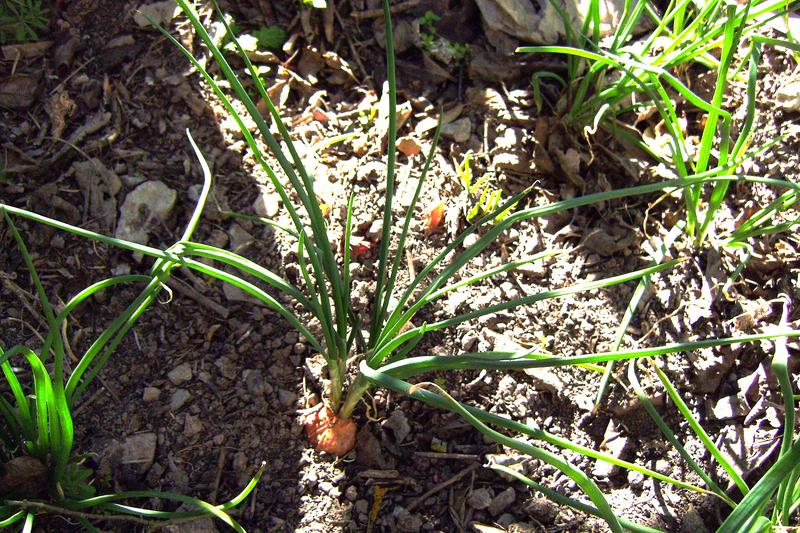
Quick facts
- Watering
- Weekly during dry spells
- Sunlight
- Full sun
- Soil
- Well-drained, fertile, neutral soil
- Humans
- Safe
- Cats
- Toxic
- Dogs
- Toxic
- Height
- 30–45 cm
- Spread
- 10–15 cm
- Spacing
- 15–20 cm apart
About Shallot
Shallots are elegant members of the onion family, forming clusters of elongated, copper-skinned bulbs with a mild, sweet flavour prized in British and French cuisine. Originating from Central Asia, they have been cultivated in Europe for centuries and thrive in the UK's temperate climate. British gardeners value shallots for their superior keeping qualities, space efficiency, and the fact that a single set produces multiple bulbs. They're easier to grow than onions from seed and offer a more refined taste for cooking.
UK fact: Shallots have been grown in British kitchen gardens since at least the 16th century and were traditionally planted on the shortest day and harvested on the longest, though modern varieties allow more flexible timing suited to the UK's regional climates.
Watering Shallot
Keep soil consistently moist during the spring growing season, watering weekly if rainfall is insufficient. As summer approaches and foliage begins to yellow naturally, reduce watering significantly to allow bulbs to ripen properly. Stop watering entirely once the leaves start to collapse, typically from late June onwards in most UK regions. Overwatering during the ripening phase encourages rot and reduces storage life, so err on the side of dryness once bulbs have swollen.
Sunlight requirements
Choose the sunniest spot in your vegetable plot, ideally receiving at least six hours of direct sunlight daily. In the UK, a south-facing bed provides optimal light levels for bulb development. Shallots tolerate light shade but will produce smaller bulbs with reduced storage potential, making sunny positions essential for the best crop.
Soil and feeding
Prepare beds with well-rotted compost or garden compost dug in during autumn, but never use fresh manure which promotes lush foliage at the expense of bulb development and increases disease risk. Shallots prefer a neutral to slightly alkaline pH of 6.5–7.5 and will not tolerate waterlogged conditions. Heavy clay soils benefit from added horticultural grit or sand to improve drainage, whilst light sandy soils need extra organic matter to retain moisture during spring growth. Raised beds work exceptionally well for shallots across the UK, providing the sharp drainage they require.
Incorporate a general-purpose fertiliser such as blood, fish and bone into the soil before planting at approximately 70g per square metre. Avoid high-nitrogen feeds once growth is established, as these encourage leafy growth rather than bulb development. A light application of sulphate of potash in late spring can improve bulb quality and storage life.
Pruning Shallot
Shallots require no pruning or trimming during growth. Resist the temptation to tidy yellowing foliage in summer, as this natural die-back process indicates the bulbs are ripening and nutrients are being drawn down from the leaves. Once foliage has collapsed completely and turned brown, usually by mid to late July in most UK regions, the crop is ready to lift. Remove any flower stems that appear, as these divert energy from bulb production.
Propagating Shallot
Plant shallot sets rather than growing from seed, as sets are more reliable and quicker to mature in UK conditions. Each set will multiply to produce a cluster of 6–12 bulbs by summer. Autumn-planting varieties can be set out in October or November for earlier crops, though spring planting from February to March is more common and reliable across most UK regions. Choose firm, healthy sets approximately 15–20mm in diameter from a reputable supplier to avoid virus problems.
Common problems
Shallots are relatively trouble-free but can suffer from onion white rot, a persistent soil-borne fungal disease that causes yellowing foliage and fluffy white growth on bulbs, with no cure and requiring an eight-year rotation. Downy mildew appears as grey-purple fuzzy growth on leaves during damp UK springs and summers, controlled by adequate spacing and avoiding overhead watering. Onion fly larvae tunnel into bulbs causing rot, though covering crops with insect-proof mesh prevents egg-laying adults from reaching plants. Birds pulling up newly planted sets is a common nuisance, easily prevented with netting or fleece for the first fortnight after planting.
Spot a problem with your plant? Photograph the affected area using the Loam app and it will suggest the most likely cause and treatment.
Safety
- Humans
- Safe
- Cats
-
Toxic
Shallots contain compounds that can damage red blood cells in cats, causing anaemia. Keep cats away from plants and stored bulbs.
- Dogs
-
Toxic
Shallots are toxic to dogs and can cause gastrointestinal upset and anaemia. Prevent dogs from accessing growing plants or stored bulbs.
Toxicity information is for general guidance only. If a pet has been exposed to this plant and you are concerned, seek advice from a vet.
Seasonal care calendar
Monthly care guide for Shallot in the UK, based on average conditions.
| Month | Care tasks |
|---|---|
| January | Prepare beds by incorporating well-rotted compost. Order shallot sets from suppliers for spring planting. |
| February | Plant shallot sets from mid-month onwards when soil conditions allow, spacing 15–20cm apart. Protect with netting against birds. |
| March | Continue planting sets until mid-month. Check earlier plantings and firm back any sets lifted by frost. Begin weeding as growth starts. |
| April | Keep beds weed-free and water during dry spells. Apply a light feed of sulphate of potash to support bulb development. |
| May | Continue regular weeding and watering if rainfall is low. Remove any flower stems that appear to focus energy on bulbs. |
| June | Reduce watering as foliage begins to yellow. Keep weeding but avoid disturbing developing bulb clusters. |
| July | Harvest shallots once foliage has died back completely. Lift carefully and dry in the sun or a well-ventilated shed for storage. |
| August | Complete harvesting and curing. Clean and store bulbs in nets or trays in a cool, dry place. Save healthy bulbs as sets for next year. |
| September | Check stored shallots and remove any showing signs of rot. Begin preparing beds for autumn-planting varieties if desired. |
| October | Plant autumn-planting shallot varieties in mild regions for earlier crops next summer. Protect with netting and ensure good drainage. |
| November | Complete autumn planting in milder areas. Check autumn-planted sets and firm back any lifted by weather. |
| December | No action needed for spring-planted crops. Monitor autumn-planted sets and ensure beds remain weed-free. |
Frequently asked questions
- How do I know when shallots are ready to harvest?
- Harvest shallots when the foliage has turned yellow and collapsed completely, usually from mid-July to August depending on planting time. Don't be tempted to lift them early, as bulbs need this ripening period to develop good flavour and storage qualities.
- Why are my shallots producing flower stems and what should I do?
- Flowering (bolting) occurs when shallots experience stress from cold periods followed by warmth, or from planting sets that are too large. Remove flower stems immediately to redirect energy into bulb production. The Loam app can help you track temperature patterns and send timely reminders to check for bolting, plus provide personalised advice based on your local conditions and planting dates.
- What spacing do shallots need when planting?
- Plant shallot sets 15–20cm apart in rows spaced 30cm apart. This allows each bulb sufficient room to multiply into a cluster of 6–12 shallots without competition. Push sets gently into prepared soil so the tip is just visible at the surface—planting too deeply can delay emergence and reduce yields.
Got a question about growing Shallot that isn't covered here? Ask the Garden Advisor in the Loam app. It knows your saved plants and local conditions.
Related plants
This page was compiled with AI assistance and reviewed by our team. .