Garlic
Allium sativum
Vegetables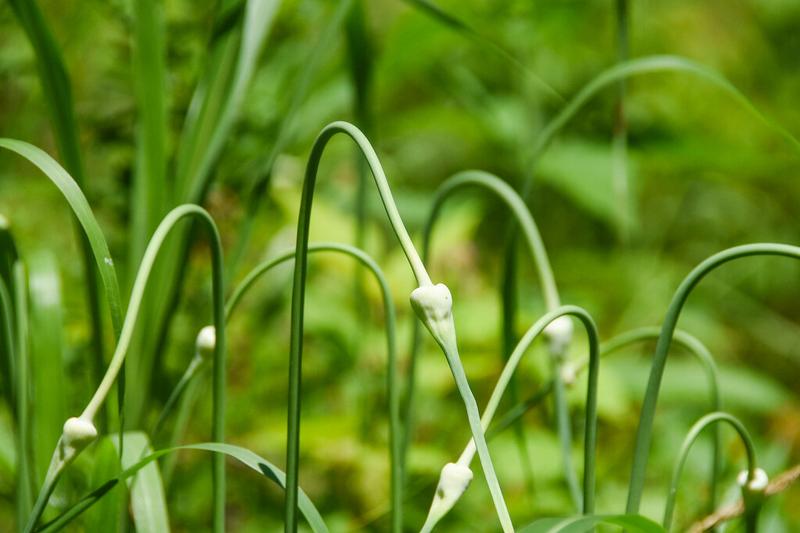
Quick facts
- Watering
- Weekly during dry spells
- Sunlight
- Full sun
- Soil
- Well-drained, fertile, neutral soil
- Humans
- Safe
- Cats
- Toxic
- Dogs
- Toxic
- Height
- 30–60 cm
- Spread
- 10–15 cm
- Spacing
- 15–20 cm apart
About Garlic
Garlic is a hardy bulbous perennial grown as an annual for its pungent, flavourful cloves, producing tall stems with strap-like grey-green leaves and occasional white or pink flower heads. Originating from Central Asia, it has been cultivated for thousands of years and thrives in the UK's temperate climate. British gardeners prize garlic for its culinary versatility, ease of cultivation, and ability to occupy beds during the quieter winter months. Both autumn-planted hardneck and spring-planted softneck varieties perform reliably across the UK.
UK fact: Garlic has been grown in Britain since medieval times, with the Isle of Wight becoming particularly renowned for its garlic cultivation, hosting the annual Isle of Wight Garlic Festival since 1983, celebrating British-grown varieties and local producers.
Watering Garlic
Garlic requires consistent moisture during active growth from March to May, particularly during dry springs which are increasingly common in southern England. Water weekly if rainfall is insufficient, applying approximately 2.5 cm per week. From mid-June onwards, as leaves begin to yellow, reduce watering significantly to allow bulbs to ripen and develop papery skins. Overwatering at this stage encourages fungal diseases and reduces storage life, so cease watering entirely two to three weeks before harvest.
Sunlight requirements
Choose the sunniest spot in your garden, ideally receiving at least six hours of direct sunlight daily. In the UK, south-facing beds are ideal, though garlic will tolerate light shade in midsummer. Avoid planting in the shadow of walls, fences, or taller crops, as insufficient light results in smaller bulbs and increased disease susceptibility.
Soil and feeding
Grow garlic in well-drained, moisture-retentive soil with a pH between 6.0 and 7.0; heavy clay soils must be improved with grit and compost to prevent waterlogging and rot. Prepare beds several weeks before planting by incorporating well-rotted manure or garden compost to a depth of 20 cm. Raised beds are particularly beneficial in areas with heavy rainfall or poorly draining soil, common across much of western Britain. Avoid freshly manured ground, which can cause excessive leafy growth at the expense of bulb development.
Feed garlic in March with a general-purpose granular fertiliser such as blood, fish and bone, scattering it around plants and watering in. Alternatively, apply a high-nitrogen liquid feed fortnightly during April and early May to encourage strong foliage development. Cease feeding by late May, as continued nitrogen application delays bulb maturation and reduces storage quality.
Pruning Garlic
Hardneck garlic varieties produce a central flowering stem (scape) in late spring or early summer, which should be cut off as soon as it begins to curl. Removing scapes when they're young and tender redirects the plant's energy into bulb formation, resulting in larger cloves. The scapes themselves are edible and delicious, with a mild garlic flavour perfect for stir-fries and pesto. Softneck varieties rarely produce scapes in the UK climate and require no pruning beyond removing any damaged or diseased leaves.
Propagating Garlic
Separate bulbs into individual cloves just before planting, selecting the largest, healthiest cloves from the outer ring for the best results. Autumn planting (October to November) is traditional for hardneck varieties and produces larger bulbs, as cloves require a cold period (vernalisation) to develop properly. Spring planting (February to March) suits softneck varieties and gardeners in very cold or wet regions where autumn-planted cloves may rot. Always source certified disease-free bulbs from reputable suppliers rather than supermarket garlic, which may carry viruses or be unsuitable for UK conditions.
Common problems
Garlic is relatively trouble-free in the UK but can suffer from rust (Puccinia allii), which appears as orange pustules on leaves, particularly in humid conditions; remove affected foliage and ensure good spacing for air circulation. White rot (Stromatinia cepivora) is a serious soil-borne fungal disease causing yellowing leaves and fluffy white growth at the bulb base; there is no cure, so avoid planting alliums in affected soil for at least eight years. Leek moth caterpillars occasionally tunnel into leaves and stems, while onion fly larvae can damage bulbs; use insect-proof mesh as a barrier. Poor drainage and overwatering cause bulb rot, whilst excessively dry conditions during spring reduce bulb size significantly.
Spot a problem with your plant? Photograph the affected area using the Loam app and it will suggest the most likely cause and treatment.
Safety
- Humans
- Safe
- Cats
-
Toxic
Garlic contains thiosulphate compounds that can damage red blood cells in cats, causing anaemia. Keep plants and harvested bulbs away from cats.
- Dogs
-
Toxic
Garlic contains thiosulphate which is toxic to dogs, potentially causing gastrointestinal upset and anaemia. Prevent dogs from accessing plants or stored bulbs.
Toxicity information is for general guidance only. If a pet has been exposed to this plant and you are concerned, seek advice from a vet.
Seasonal care calendar
Monthly care guide for Garlic in the UK, based on average conditions.
| Month | Care tasks |
|---|---|
| January | Check autumn-planted cloves for frost heave and firm back into soil if necessary. Ensure beds are weed-free and well-drained during wet spells. |
| February | Plant softneck varieties in mild regions or prepare beds for March planting. Apply a light dressing of general fertiliser around autumn-planted garlic as growth resumes. |
| March | Plant spring garlic cloves in prepared beds. Feed autumn-planted garlic with blood, fish and bone. Keep beds weed-free and water during dry spells. |
| April | Continue weeding and apply fortnightly liquid feeds to encourage strong leaf growth. Watch for rust and remove affected leaves promptly. Water weekly if rainfall is insufficient. |
| May | Remove flower scapes from hardneck varieties as they appear. Maintain regular watering during dry weather. Apply final liquid feed in late May, then cease feeding. |
| June | Reduce watering as leaves begin to yellow and bulbs mature. Watch for signs of rust or white rot. Prepare drying racks or storage areas for harvest. |
| July | Harvest garlic when half to two-thirds of leaves have turned yellow, typically mid to late July. Lift carefully with a fork and dry in a well-ventilated, sunny spot. |
| August | Continue drying harvested bulbs for 2-3 weeks until skins are papery. Clean off soil, trim roots, and plait or store in nets in a cool, dry place. |
| September | Prepare beds for autumn planting by incorporating compost and ensuring excellent drainage. Order certified seed garlic from suppliers for October planting. |
| October | Plant hardneck garlic cloves in prepared beds, spacing 15-20 cm apart. Protect from birds with netting and mulch lightly with compost. |
| November | Complete autumn planting by mid-November in most regions. Ensure good drainage and remove any weeds that appear around emerging shoots. |
| December | Check planted beds after heavy rain or frost, firming any lifted cloves back into the soil. No other action needed as plants are dormant. |
Frequently asked questions
- When should I harvest garlic in the UK?
- Harvest when half to two-thirds of the leaves have turned yellow, typically from late June to late July depending on variety and planting time. Lift too early and bulbs won't store well; too late and they may split or deteriorate in the ground.
- Why are my garlic leaves turning yellow too early?
- Premature yellowing can indicate rust disease (orange pustules on leaves), onion white rot (fluffy white fungus at base), nutrient deficiency, or waterlogged soil. Check for visible symptoms on leaves and bulb base. The Loam app can help diagnose the specific problem through photo identification and provide tailored treatment advice based on your growing conditions.
- What type of soil does garlic need to grow well?
- Garlic thrives in well-drained, fertile soil with a pH of 6.0-7.0. Heavy clay soils should be improved with organic matter and grit to prevent waterlogging, which causes rot. Add well-rotted compost or manure before planting, and avoid freshly manured ground. Raised beds work excellently in wet areas, ensuring the drainage garlic requires for healthy bulb development.
Got a question about growing Garlic that isn't covered here? Ask the Garden Advisor in the Loam app. It knows your saved plants and local conditions.
Related plants
This page was compiled with AI assistance and reviewed by our team. .