Leek
Allium ampeloprasum var. porrum
Vegetables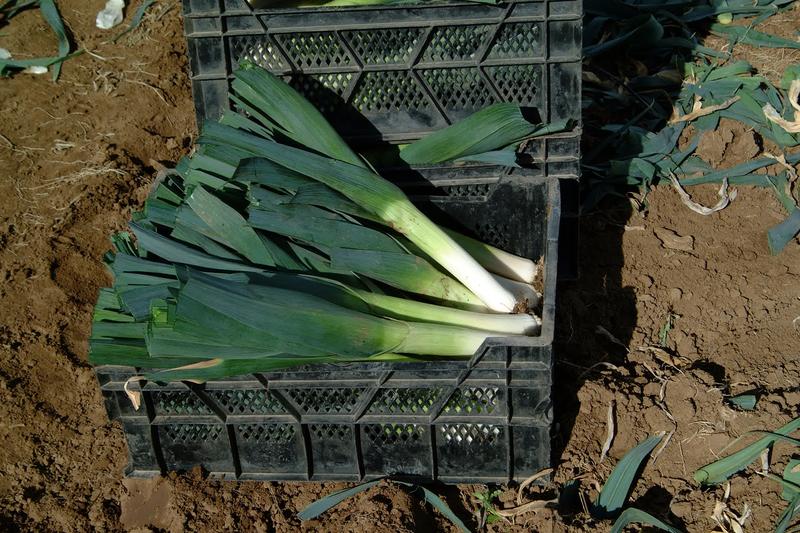
Quick facts
- Watering
- Weekly during dry spells
- Sunlight
- Full sun
- Soil
- Rich, moisture-retentive, well-drained
- Humans
- Safe
- Cats
- Toxic
- Dogs
- Toxic
- Height
- 30–60 cm
- Spread
- 10–15 cm
- Spacing
- 15–20 cm apart
About Leek
Leek is a hardy biennial vegetable grown as an annual for its long, white cylindrical stem and mild onion flavour. Native to the Mediterranean and Middle East, it has been cultivated in Britain since Roman times and thrives in our cool, moist climate. UK gardeners prize leeks for their winter hardiness, providing fresh harvests when little else is available. The edible white shaft is created by earthing up soil around the stems as they grow, blanching them to tenderness.
UK fact: The leek is the national emblem of Wales, traditionally worn on St David's Day (1st March), and Welsh varieties such as 'Musselburgh' have been grown in British gardens since the 1830s.
Watering Leek
Keep soil consistently moist, especially during the first eight weeks after transplanting and during dry summer spells. Water at the base of plants rather than overhead to reduce the risk of rust and other fungal diseases. In typical UK summers, rainfall is often sufficient, but during prolonged dry periods apply 10-15 litres per square metre weekly. Reduce watering in autumn and winter when rainfall increases and growth slows.
Sunlight requirements
Position leeks in an open, sunny spot receiving at least six hours of direct sunlight daily. In the UK, a south-facing bed is ideal, though they'll perform adequately on east or west aspects. Avoid planting in the shade of taller crops or buildings, as this weakens stem development and increases disease risk.
Soil and feeding
Prepare beds in autumn or early winter by digging in plenty of well-rotted manure or garden compost to a depth of 30cm. Leeks prefer a slightly alkaline to neutral soil with a pH of 6.5-7.5; lime acid soils if necessary. Heavy clay soils benefit from added grit or sharp sand to improve drainage, whilst light sandy soils need generous organic matter to retain moisture. Avoid freshly manured ground, which can cause forked or coarse roots.
Once established, feed leeks in July or early August with a general-purpose liquid fertiliser or scatter pelleted poultry manure around plants. Avoid high-nitrogen feeds after mid-August, as this encourages soft growth vulnerable to winter cold and disease. Well-prepared soil usually provides sufficient nutrients for the entire growing season.
Pruning Leek
Leeks require minimal pruning, but remove damaged, yellowing, or diseased leaves as they appear throughout the growing season. Trim off any flower stalks immediately if plants begin to bolt, though this won't reverse the toughening of the stem. Keep the area around plants weed-free to reduce competition and improve airflow. After harvest, remove all plant debris to prevent overwintering pests and diseases.
Propagating Leek
Sow seeds thinly in modules or seed trays under cover from late January to March at 10-15°C, or directly into a seedbed outdoors from March to April. Seedlings are ready to transplant when pencil-thick, typically 10-12 weeks after sowing. Plant out from May to June into deep holes made with a dibber, dropping one seedling per hole and watering in without backfilling to encourage long white stems. Alternatively, multi-sow 4-5 seeds per module and plant out as clumps for mini leeks.
Common problems
Leek rust is the most common problem in the UK, appearing as orange pustules on leaves, particularly in warm, humid summers; improve spacing and air circulation to reduce severity. Leek moth caterpillars tunnel into stems and leaves from May to October; cover crops with insect-proof mesh and remove affected plants promptly. Onion white rot causes yellowing leaves and white fungal growth at the base; there is no cure, so avoid planting alliums in infected soil for at least eight years. Bolting (premature flowering) occurs if plants experience cold stress when young or drought in summer; maintain consistent watering and avoid sowing too early.
Spot a problem with your plant? Photograph the affected area using the Loam app and it will suggest the most likely cause and treatment.
Safety
- Humans
- Safe
- Cats
-
Toxic
Leeks contain compounds that can damage red blood cells in cats, causing anaemia. Keep cats away from plants and discarded trimmings.
- Dogs
-
Toxic
Leeks contain thiosulphate which is toxic to dogs, potentially causing gastrointestinal upset and anaemia. Prevent access to growing plants and kitchen waste.
Toxicity information is for general guidance only. If a pet has been exposed to this plant and you are concerned, seek advice from a vet.
Seasonal care calendar
Monthly care guide for Leek in the UK, based on average conditions.
| Month | Care tasks |
|---|---|
| January | Sow early varieties indoors in modules under cover. Harvest overwintered leeks as needed. |
| February | Continue sowing indoors for early crops. Harvest remaining winter leeks before they begin to flower. |
| March | Sow maincrop varieties indoors or in a seedbed outdoors. Prepare planting beds with compost and rake level. |
| April | Continue outdoor sowings. Harden off indoor-raised seedlings in a cold frame. |
| May | Transplant early sowings when pencil-thick into prepared holes. Water regularly to establish plants. |
| June | Complete transplanting of maincrop leeks. Keep beds weed-free and water during dry spells. |
| July | Apply liquid feed to boost growth. Continue watering in dry weather and watch for leek moth. |
| August | Begin earthing up stems to blanch them. Remove any yellowing leaves and maintain watering. |
| September | Continue earthing up every few weeks. Early varieties may be ready to harvest from late in the month. |
| October | Begin harvesting maincrop leeks as needed. They can remain in the ground until required. |
| November | Continue harvesting throughout winter. Leeks are fully hardy and improve in flavour after frost. |
| December | Harvest as needed for winter meals. Protect with fleece in severe weather for easier lifting from frozen ground. |
Frequently asked questions
- How do I get long white stems on my leeks?
- Plant seedlings in deep holes made with a dibber and water in without backfilling. From August onwards, gradually earth up soil around the stems every few weeks, or use cardboard collars or plastic piping to exclude light and blanch the stems.
- What is wrong with my leek leaves?
- Leek leaves can show various problems including orange rust spots (fungal disease), yellowing (nutrient deficiency or waterlogging), or silvery streaks (leek moth damage). The Loam app can help you diagnose leaf problems from photos and get personalised treatment advice based on your growing conditions.
- What soil do leeks need?
- Leeks thrive in fertile, well-drained soil with plenty of organic matter. Prepare beds in autumn by digging in well-rotted manure or compost. They prefer a pH of 6.5-7.5 and benefit from a general fertiliser applied before planting. Avoid freshly manured ground as this can cause forked roots and encourage bolting.
Got a question about growing Leek that isn't covered here? Ask the Garden Advisor in the Loam app. It knows your saved plants and local conditions.
Related plants
This page was compiled with AI assistance and reviewed by our team. .