Spring Onion
Allium fistulosum
Vegetables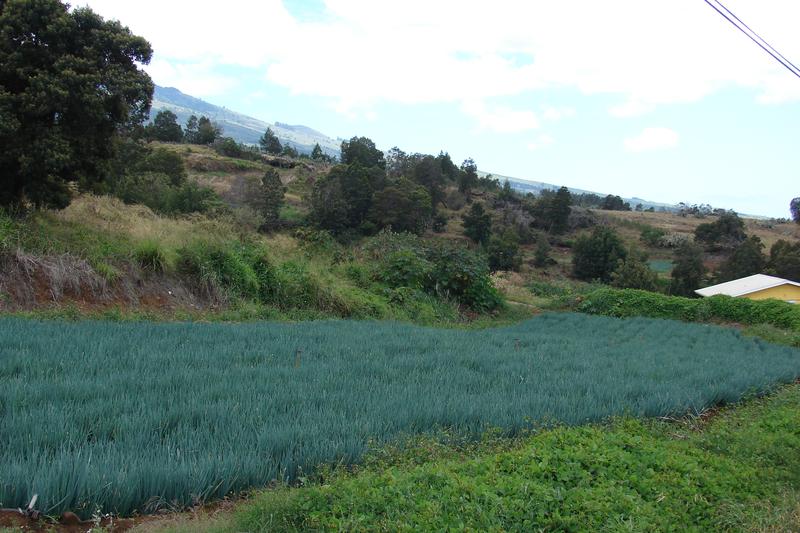
Quick facts
- Watering
- Weekly, more in dry spells
- Sunlight
- Full sun to partial shade
- Soil
- Fertile, well-drained, moisture-retentive
- Humans
- Safe
- Cats
- Toxic
- Dogs
- Toxic
- Height
- 20–40 cm
- Spread
- 2–5 cm
- Spacing
- 2–5 cm apart
About Spring Onion
Spring onions are fast-growing, slender alliums with crisp white stems and hollow green leaves, prized for their mild, fresh flavour. Native to Asia, they have been cultivated in British kitchen gardens for centuries and remain one of the most popular salad crops. UK gardeners value them for their versatility, quick maturity (often ready in 8–12 weeks), and ability to grow year-round with successive sowings. They're equally at home in vegetable beds, containers, and even windowsills, making them ideal for gardeners with limited space.
UK fact: Spring onions have been grown in British walled gardens since at least the 17th century, and the variety 'White Lisbon' remains the UK's most popular cultivar, cherished for its reliability in our cool, damp climate.
Watering Spring Onion
Spring onions require regular watering to develop tender, mild-flavoured stems; allow the soil to dry slightly between waterings but never let it become bone-dry. In typical UK summers, weekly watering is usually sufficient, but during dry spells or when growing in containers, increase to twice weekly or more. Inconsistent watering can cause bulbing or bolting, particularly in warm weather. Mulching with compost helps retain moisture and reduces the need for frequent watering, especially useful in free-draining soils.
Sunlight requirements
Position spring onions in full sun for the fastest, most vigorous growth, though they'll still perform well in partial shade, particularly during hot summer months. In the UK, a south- or west-facing bed is ideal, but north-facing plots will still yield a decent crop. Container-grown spring onions can be moved to follow the sun or placed in sheltered spots to extend the growing season.
Soil and feeding
Grow spring onions in fertile, moisture-retentive soil enriched with well-rotted compost or manure, ideally prepared the autumn before planting. They thrive in a slightly alkaline to neutral pH of 6.5–7.5, though they'll tolerate a range of soil types provided drainage is good. Heavy clay soils should be improved with grit and organic matter to prevent waterlogging, which can cause rot. For container growing, use a multi-purpose compost mixed with a little horticultural grit for drainage.
In fertile soil enriched with compost, spring onions rarely need additional feeding. If growing in containers or poor soil, apply a balanced liquid feed or high-nitrogen fertiliser every 3–4 weeks to encourage lush, green foliage. Avoid over-feeding, which can promote excessive leaf growth at the expense of stem development.
Pruning Spring Onion
Spring onions require no pruning or trimming during growth. Harvest by gently pulling individual plants from the soil when they reach the desired size, typically when stems are pencil-thick. Remove any yellowing or damaged outer leaves before use, but leave growing plants untouched. For a continuous harvest, sow successionally every 2–3 weeks rather than cutting back existing plants.
Propagating Spring Onion
Propagate spring onions by sowing seed directly into prepared soil or in modules under cover for earlier crops. Sow thinly in drills 1cm deep and 15cm apart, covering lightly with soil. Germination typically occurs within 10–14 days at temperatures above 7°C. For year-round harvests, make successive sowings every 2–3 weeks from late winter through to early autumn, using cloches or cold frames to protect early and late sowings.
Common problems
Spring onions are relatively trouble-free but can be affected by onion white rot, a persistent soil-borne fungus causing yellowing leaves and white fungal growth on roots; crop rotation and avoiding infected soil are essential. Onion fly larvae tunnel into stems causing wilting, particularly in May and August; cover crops with fine mesh or fleece during these periods. Leek rust may appear as orange pustules on leaves in humid conditions, though it rarely affects yield significantly. Bolting (premature flowering) occurs in hot, dry weather or after cold snaps, so maintain consistent watering and choose bolt-resistant varieties for summer sowings.
Spot a problem with your plant? Photograph the affected area using the Loam app and it will suggest the most likely cause and treatment.
Safety
- Humans
- Safe
- Cats
-
Toxic
Spring onions contain compounds that can damage red blood cells in cats, causing anaemia. Keep cats away from plants and discarded trimmings.
- Dogs
-
Toxic
All parts of spring onions are toxic to dogs, potentially causing gastrointestinal upset and anaemia. Prevent access to growing plants and kitchen waste.
Toxicity information is for general guidance only. If a pet has been exposed to this plant and you are concerned, seek advice from a vet.
Seasonal care calendar
Monthly care guide for Spring Onion in the UK, based on average conditions.
| Month | Care tasks |
|---|---|
| January | Sow under cloches or in a cold greenhouse for early spring crops. Protect existing winter sowings with fleece during severe frosts. |
| February | Continue sowing under cover or outdoors in milder regions. Prepare beds for spring sowings by incorporating compost. |
| March | Sow outdoors from mid-month onwards. Thin earlier sowings and keep soil moist. Begin harvesting overwintered crops. |
| April | Make successive sowings every 2–3 weeks for continuous harvests. Water regularly and watch for onion fly; cover with fleece if needed. |
| May | Continue sowings and harvest spring-sown crops. Protect from onion fly with mesh covers. Water during dry spells to prevent bolting. |
| June | Sow bolt-resistant varieties for summer and autumn harvests. Keep well-watered in warm weather. Harvest as needed. |
| July | Continue sowings for autumn crops. Water frequently during hot weather. Harvest mature plants regularly to encourage further growth. |
| August | Sow hardy varieties for overwintering. Protect from second generation of onion fly with fleece. Maintain regular watering. |
| September | Final sowings of hardy varieties for winter and early spring harvests. Harvest summer-sown crops before first frosts. |
| October | Protect autumn sowings with cloches or fleece as temperatures drop. Continue harvesting until hard frosts arrive. |
| November | Harvest remaining crops before severe weather. Ensure overwintering plants have good drainage to prevent rotting. |
| December | Protect overwintering crops with fleece during cold snaps. Plan crop rotation for next year to avoid onion white rot. |
Frequently asked questions
- How do I prevent onion fly damage on spring onions?
- Cover crops with fine insect-proof mesh or horticultural fleece during the onion fly's active periods in May and August. Avoid thinning on warm days when flies are most active, as the scent attracts them. Companion planting with carrots can also help deter flies.
- Why are my spring onion leaves turning yellow?
- Yellowing leaves can indicate several issues: overwatering causing root rot, nitrogen deficiency in poor soil, rust disease (orange pustules), or natural ageing of outer leaves. Check soil moisture and drainage first. The Loam app can help diagnose the specific cause by analysing photos of your plants and provide personalised treatment recommendations.
- What spacing do spring onions need when planting?
- Sow spring onion seeds thinly in drills 1cm deep and 15cm apart. Thin seedlings to 2–3cm apart for standard spring onions, or leave unthinned for baby salad onions. In containers, scatter seeds thinly across the surface. Proper spacing ensures good air circulation and reduces disease risk whilst allowing bulbs to develop.
Got a question about growing Spring Onion that isn't covered here? Ask the Garden Advisor in the Loam app. It knows your saved plants and local conditions.
Related plants
This page was compiled with AI assistance and reviewed by our team. .