Nepeta
Nepeta × faassenii
Perennials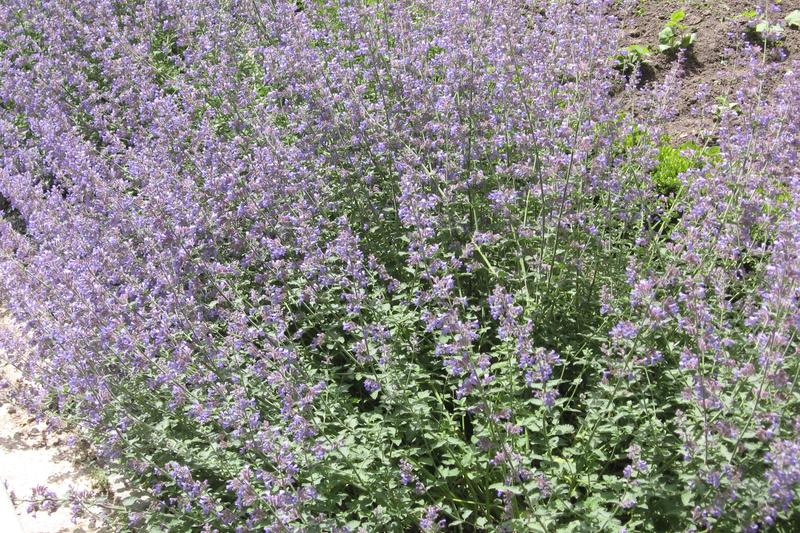
Quick facts
- Watering
- Weekly until established, then drought-tolerant
- Sunlight
- Full sun to partial shade
- Soil
- Well-drained, moderately fertile
- Humans
- Safe
- Cats
- Safe
- Dogs
- Safe
- Height
- 30–45 cm
- Spread
- 30–60 cm
- Spacing
- 40–50 cm apart
- RHS recognition
- Award of Garden Merit
About Nepeta
Nepeta is a beloved herbaceous perennial forming billowing mounds of aromatic grey-green foliage topped with lavender-blue flower spikes from late spring through summer. This hybrid catmint, bred in the Netherlands, has become a mainstay of British cottage gardens and modern prairie-style plantings alike. UK gardeners prize it for its long flowering season, drought tolerance once established, and exceptional ability to attract bees and butterflies. Its compact habit and reliable performance make it ideal for edging borders, filling gaps in gravel gardens, and softening hard landscaping.
UK fact: Nepeta × faassenii holds the RHS Award of Garden Merit and is one of the most widely planted perennials in British gardens, particularly valued for thriving in the challenging conditions of urban and coastal gardens where its tolerance of pollution and salt-laden winds proves invaluable.
Watering Nepeta
Newly planted nepeta requires weekly watering during dry weather for the first 12-16 weeks. Once established, it is remarkably drought-tolerant and typically needs no supplementary watering in most UK regions, relying on natural rainfall. During exceptional droughts lasting more than three weeks, water deeply every 10-14 days rather than little and often. Avoid overhead watering in humid weather as wet foliage can encourage powdery mildew, particularly in sheltered gardens with poor air movement.
Sunlight requirements
Plant in full sun for the most compact growth and prolific flowering, though it will tolerate partial shade for up to half the day. In south-facing borders, ensure good air circulation to prevent mildew in humid conditions. North of the Midlands, choose the sunniest spot available to maximise flowering and prevent the plant becoming leggy.
Soil and feeding
This adaptable perennial performs best in neutral to slightly alkaline soil (pH 6.5-7.5) with good drainage, though it tolerates a wide range including chalk, sand, and clay loam provided drainage is adequate. Heavy clay soils benefit from the addition of horticultural grit or sharp sand at planting to prevent winter waterlogging, which can cause root rot. Avoid overly rich, moisture-retentive soils as these produce lush, floppy growth prone to flopping and reduce flowering. In containers, use a loam-based compost such as John Innes No. 2 mixed with extra grit.
Apply a light dressing of general-purpose fertiliser such as blood, fish and bone in early spring at half the recommended rate, or simply top-dress with a 2-3cm layer of garden compost. Avoid high-nitrogen feeds which promote soft, leafy growth at the expense of flowers and make plants more susceptible to mildew and aphids.
Pruning Nepeta
Cut back the entire plant by half its height in late June or early July once the first flush of flowers fades, using garden shears or hedging shears for speed. This promotes fresh foliage and a strong second flowering in late summer and autumn. In late February or early March, cut back all dead growth to ground level before new shoots emerge, removing old stems to the base. Avoid autumn pruning as the semi-evergreen foliage provides winter structure and some protection to the crown during severe frosts.
Propagating Nepeta
Division is the quickest method, lifting established clumps in March or September and teasing apart into sections with roots and shoots attached. Softwood cuttings taken in May or June root readily in a 50:50 mix of peat-free compost and perlite. Nepeta × faassenii is a sterile hybrid and does not set viable seed, so vegetative propagation is essential. Plants benefit from division every 3-4 years to maintain vigour and prevent the centre dying out.
Common problems
Nepeta is generally trouble-free but can suffer from powdery mildew in humid, still conditions, particularly on plants in shade or overcrowded borders—improve air circulation and avoid overhead watering. Aphids occasionally colonise soft new growth in spring; a strong jet of water usually dislodges them, or tolerate low levels as they attract beneficial insects. Cats are strongly attracted to the foliage and may roll on plants, crushing stems; protect young plants with twiggy branches until established, after which mature clumps usually recover quickly. In very wet winters on heavy soil, crown rot can occur, so ensure excellent drainage at planting.
Spot a problem with your plant? Photograph the affected area using the Loam app and it will suggest the most likely cause and treatment.
Safety
- Humans
- Safe
- Cats
- Safe
- Dogs
- Safe
Toxicity information is for general guidance only.
Seasonal care calendar
Monthly care guide for Nepeta in the UK, based on average conditions.
| Month | Care tasks |
|---|---|
| January | No action needed. Leave old growth in place for frost protection and winter structure. |
| February | Cut back all dead growth to ground level in late February before new shoots emerge. |
| March | Apply a light dressing of blood, fish and bone. Divide established clumps if needed. Plant new specimens. |
| April | Water newly planted nepeta during dry spells. Watch for aphids on emerging shoots. |
| May | First flowers begin to appear. Take softwood cuttings from non-flowering shoots. Water young plants weekly if dry. |
| June | Main flowering period. Deadhead spent blooms regularly or wait until late in the month to shear back entire plant. |
| July | Shear back by half after first flush of flowers to encourage second flowering. Water during prolonged drought. |
| August | Second flush of flowers appears. Continue watering only during exceptional drought. Enjoy the pollinators. |
| September | Flowering continues into early autumn. Divide established clumps if needed. Plant new specimens. |
| October | Allow plants to die back naturally. Leave seed heads for birds and winter structure. |
| November | No action needed. Resist the urge to tidy—old growth protects the crown. |
| December | No action needed. Plants are fully dormant and hardy. |
Frequently asked questions
- When should I cut back nepeta for a second flush of flowers?
- Shear the entire plant back by half its height in late June or early July once the first flush of flowers fades. This encourages fresh foliage and a strong second flowering from late summer into autumn.
- Why are my nepeta leaves turning yellow and the plant looking unhealthy?
- Yellowing leaves can indicate several issues including overwatering, poor drainage, nutrient deficiency, or pest problems. Check soil moisture levels and ensure good drainage. The Loam app can help diagnose the specific cause by analysing photos of your plant and provide personalised care recommendations based on your growing conditions.
- How do I propagate nepeta from cuttings?
- Take softwood cuttings in late spring or early summer. Cut 7-10cm non-flowering shoots just below a leaf node, remove lower leaves, and insert into gritty compost. Keep in a shaded cold frame or cover with a plastic bag until rooted in 3-4 weeks. Alternatively, divide established clumps in spring or autumn for quicker results.
Got a question about growing Nepeta that isn't covered here? Ask the Garden Advisor in the Loam app. It knows your saved plants and local conditions.
Related plants
This page was compiled with AI assistance and reviewed by our team. .