Russian Sage
Perovskia atriplicifolia
Shrubs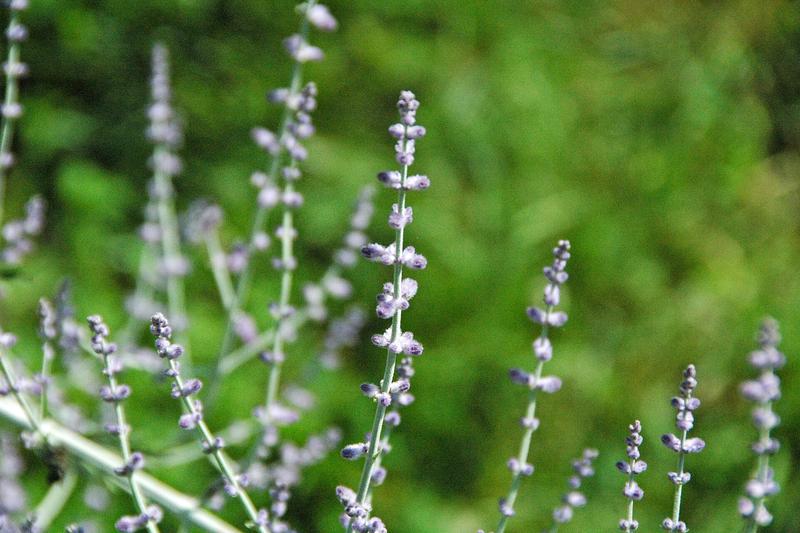
Quick facts
- Watering
- Fortnightly once established
- Sunlight
- Full sun
- Soil
- Well-drained, poor to moderate fertility
- Humans
- Safe
- Cats
- Safe
- Dogs
- Safe
- Height
- 90–120 cm
- Spread
- 60–90 cm
- Spacing
- 60–75 cm apart
- RHS recognition
- Award of Garden Merit
About Russian Sage
Russian Sage is a deciduous subshrub native to Central Asia, prized for its aromatic silvery-grey foliage and tall spires of lavender-blue flowers from July to September. Despite its common name, it's not a true sage but belongs to the mint family, growing 90–120 cm tall with an airy, upright habit. UK gardeners value it for its drought tolerance, long flowering season, and ability to attract bees and butterflies to sunny borders and gravel gardens. Its fine texture and soft colouring make it an excellent companion for ornamental grasses and late-summer perennials.
UK fact: Russian Sage holds the RHS Award of Garden Merit and thrives particularly well in southern and eastern England where hot, dry summers mirror its native habitat on the steppes of Afghanistan and Tibet.
Watering Russian Sage
Water regularly during the first growing season to establish a deep root system, then reduce frequency significantly. Once established, Russian Sage is exceptionally drought-tolerant and requires watering only during prolonged dry spells in summer, typically every two weeks if rainfall is absent. Overwatering, particularly in heavy soils or during wet British winters, can lead to root rot and is the most common cause of failure. Allow soil to dry between waterings.
Sunlight requirements
Russian Sage requires full sun to flower profusely and maintain its compact, upright form. In the UK, plant in south or west-facing positions where it will receive at least six hours of direct sunlight daily. Insufficient light causes leggy growth and reduced flowering, particularly in northern regions or shaded gardens.
Soil and feeding
Russian Sage thrives in well-drained, lean soils and actually performs better in poor to moderately fertile conditions than in rich ground. It tolerates alkaline to neutral pH (6.5–8.0) and is ideal for chalky or sandy soils. Heavy clay must be improved with grit or gravel to ensure adequate drainage, as waterlogged roots, especially in winter, will kill the plant. Avoid adding organic matter or compost, which encourages soft, floppy growth.
Russian Sage requires minimal feeding and actually flowers better in lean conditions. Avoid fertilising established plants, as excess nutrients produce lush foliage at the expense of flowers and cause stems to flop. If growth appears weak, apply a single light dressing of general-purpose fertiliser in early spring.
Pruning Russian Sage
Prune hard in mid to late spring (April) once new growth appears at the base, cutting all stems back to 15–20 cm above ground level. This encourages compact, bushy growth and prevents the plant becoming woody and bare at the base. Deadheading is unnecessary as the silvery seed heads provide winter interest. Avoid autumn pruning, as old stems protect the crown from winter wet.
Propagating Russian Sage
Russian Sage is easily propagated from softwood cuttings taken in late spring or semi-ripe cuttings in mid to late summer. Take 8–10 cm cuttings from non-flowering shoots, remove lower leaves, and insert into gritty compost in a cold frame or propagator. Cuttings root within 4–6 weeks. Division is possible but challenging due to the woody rootstock; it's best attempted in spring on younger plants. Seed-grown plants are variable and rarely match the parent.
Common problems
Russian Sage is remarkably trouble-free with few pest or disease issues in UK gardens. Root rot caused by poor drainage or waterlogged winter soil is the primary problem, particularly on heavy clay. Powdery mildew may occasionally appear on foliage in humid conditions but rarely requires treatment. Stems may become floppy if grown in overly rich soil, shade, or exposed windy sites without support. Rabbits and deer generally avoid the aromatic foliage.
Spot a problem with your plant? Photograph the affected area using the Loam app and it will suggest the most likely cause and treatment.
Safety
- Humans
- Safe
- Cats
- Safe
- Dogs
- Safe
Toxicity information is for general guidance only.
Seasonal care calendar
Monthly care guide for Russian Sage in the UK, based on average conditions.
| Month | Care tasks |
|---|---|
| January | No action needed. Leave old stems in place for winter protection and structural interest. |
| February | No action needed. Monitor for waterlogging in heavy soils during wet weather. |
| March | Watch for new shoots emerging from the base. Begin pruning towards month end in milder regions. |
| April | Prune hard back to 15–20 cm once new growth is visible at the base. Clear away old stems. |
| May | New growth develops rapidly. Water young plants regularly. Take softwood cuttings towards month end. |
| June | Continue watering young plants. Established plants need minimal attention. Flower buds begin forming. |
| July | Flowering begins. Water during dry spells if needed. Take semi-ripe cuttings from mid-month onwards. |
| August | Peak flowering period. Continue taking semi-ripe cuttings. Water sparingly only during prolonged drought. |
| September | Flowering continues into early autumn. Leave spent flowers to develop silvery seed heads for winter interest. |
| October | Flowering finishes. Leave stems standing for winter structure. Reduce watering as growth slows. |
| November | No action needed. Old stems protect the crown from winter wet and frost. |
| December | No action needed. Silvery stems and seed heads provide winter interest in the border. |
Frequently asked questions
- When should I cut back Russian Sage in the UK?
- Cut back Russian Sage hard in mid to late April once new shoots appear at the base, reducing all stems to 15–20 cm above ground. Avoid autumn pruning as old stems protect the crown from winter wet. Spring pruning encourages compact growth and abundant flowering.
- Why is my Russian Sage flopping over and how can I fix it?
- Floppy stems usually indicate overly rich soil, insufficient sunlight, or exposure to strong winds. Move to a sunnier spot with leaner soil, avoid feeding, and prune hard each spring. The Loam app can help diagnose specific growing conditions and send pruning reminders at the right time for your location.
- Does Russian Sage need watering once established?
- Established Russian Sage is exceptionally drought-tolerant and needs watering only during prolonged dry spells, typically every two weeks if there's no rainfall. Overwatering causes more problems than underwatering, particularly root rot in winter. Young plants need regular watering in their first season to establish deep roots.
Got a question about growing Russian Sage that isn't covered here? Ask the Garden Advisor in the Loam app. It knows your saved plants and local conditions.
Related plants
This page was compiled with AI assistance and reviewed by our team. .