Agastache
Agastache foeniculum
Perennials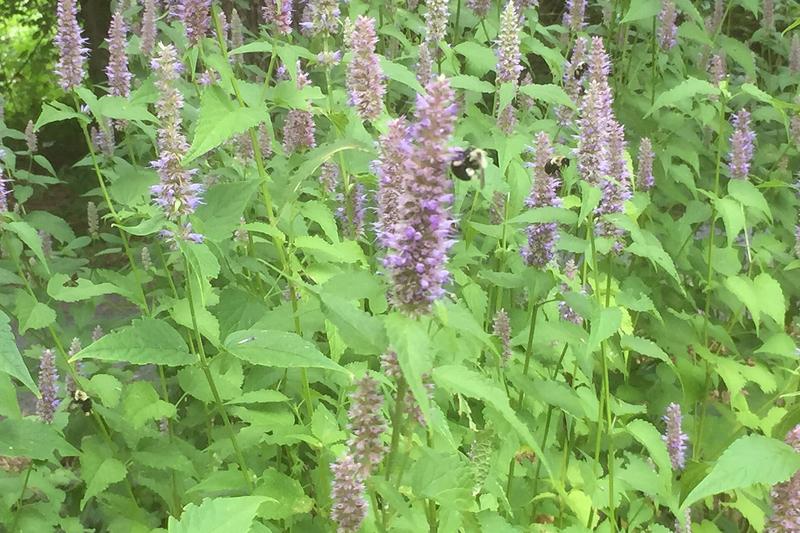
Quick facts
- Watering
- Weekly when establishing
- Sunlight
- Full sun
- Soil
- Well-drained, moderately fertile
- Humans
- Safe
- Cats
- Safe
- Dogs
- Safe
- Height
- 60–90 cm
- Spread
- 30–45 cm
- Spacing
- 30–45 cm apart
- RHS recognition
- Award of Garden Merit
About Agastache
Agastache is a striking herbaceous perennial native to North America, prized for its tall spikes of lavender-blue flowers and aromatic, anise-scented foliage. Growing 60–90 cm tall, it produces nectar-rich blooms from midsummer through to early autumn, making it a magnet for bees, butterflies, and other pollinators. UK gardeners value agastache for its long flowering season, drought tolerance once established, and ability to thrive in sunny borders and gravel gardens. The leaves can be used fresh or dried for herbal teas, adding culinary interest to this ornamental favourite.
UK fact: Agastache foeniculum has been awarded the RHS Award of Garden Merit, recognising its excellent performance in UK gardens and its reliability as a long-flowering, pollinator-friendly perennial that tolerates our variable summer weather.
Watering Agastache
Water newly planted agastache regularly during the first growing season to establish a deep root system, typically once or twice weekly during dry spells. Once established, plants are remarkably drought-tolerant and require watering only during prolonged dry periods in summer. Overwatering, particularly in winter, can lead to root rot, so ensure the soil drains freely. In containers, water when the top 3–5 cm of compost feels dry.
Sunlight requirements
Agastache performs best in full sun, requiring at least six hours of direct sunlight daily to produce abundant flowers and maintain compact growth. In the UK, a south- or west-facing border is ideal, though plants will tolerate light afternoon shade in warmer southern regions. Insufficient light leads to weak, floppy stems and reduced flowering.
Soil and feeding
Agastache thrives in well-drained soil and will not tolerate winter waterlogging, which is the most common cause of failure in the UK. A moderately fertile, sandy or loamy soil is ideal, with a neutral to slightly alkaline pH of 6.5–7.5. On heavy clay, improve drainage by incorporating horticultural grit and planting on a slight mound or in raised beds. Avoid overly rich soils, which promote lush foliage at the expense of flowers and reduce winter hardiness.
Agastache requires minimal feeding and performs best in moderately fertile conditions. Apply a light dressing of general-purpose fertiliser or well-rotted compost in early spring to support new growth. Avoid high-nitrogen feeds, which encourage soft, sappy growth that is more susceptible to frost damage and reduces flowering.
Pruning Agastache
Cut back spent flower spikes to lateral buds in late summer to encourage a second flush of blooms into autumn. Leave the dead stems standing over winter to provide structure, seed for birds, and protection for the crown in cold weather. In early spring (March), cut all growth back to ground level just as new shoots emerge from the base. Deadheading regularly throughout the flowering season prolongs the display and prevents excessive self-seeding.
Propagating Agastache
Agastache is easily propagated from seed sown in spring under cover at 15–18°C, with germination typically occurring within 14–21 days. Prick out seedlings and grow on in individual pots before planting out after the last frosts. Softwood cuttings taken in late spring or early summer root readily in a free-draining compost. Established clumps can be divided in spring, though agastache is relatively short-lived (3–5 years) and benefits from regular propagation to maintain vigour.
Common problems
Agastache is generally trouble-free but can suffer from powdery mildew in dry conditions with poor air circulation, particularly on congested plants. Ensure adequate spacing and avoid overhead watering to reduce risk. Slugs and snails may damage young growth in spring, so protect new shoots with organic pellets or barriers. The main cause of failure in UK gardens is winter wet rather than cold; plants are fully hardy but will rot if soil remains waterlogged during dormancy. Good drainage is essential for long-term success.
Spot a problem with your plant? Photograph the affected area using the Loam app and it will suggest the most likely cause and treatment.
Safety
- Humans
- Safe
- Cats
- Safe
- Dogs
- Safe
Toxicity information is for general guidance only.
Seasonal care calendar
Monthly care guide for Agastache in the UK, based on average conditions.
| Month | Care tasks |
|---|---|
| January | No action needed. Leave old stems standing for winter protection. |
| February | No action needed. Monitor for waterlogging during wet spells. |
| March | Cut back all dead growth to ground level as new shoots emerge. Apply light feed. |
| April | Plant out new specimens. Protect young growth from slugs. Sow seeds under cover. |
| May | Water newly planted agastache regularly. Take softwood cuttings. Mulch lightly. |
| June | Water during dry spells. Watch for early flowers appearing on established plants. |
| July | Enjoy peak flowering. Deadhead regularly to prolong display. Water in prolonged drought. |
| August | Continue deadheading. Cut back spent spikes to encourage second flush of flowers. |
| September | Flowering continues. Collect seed if desired. Reduce watering as growth slows. |
| October | Leave seed heads for birds and winter structure. Stop feeding and watering. |
| November | No action needed. Allow plants to die back naturally for winter protection. |
| December | No action needed. Ensure soil drainage remains good during wet weather. |
Frequently asked questions
- Why is my agastache dying in winter?
- Agastache is fully hardy but cannot tolerate waterlogged soil during winter dormancy. The most common cause of death is root rot from poor drainage rather than cold temperatures. Plant in well-drained soil, incorporate grit on heavy clay, and avoid winter mulching that traps moisture around the crown.
- When should I cut back agastache?
- Leave dead stems standing over winter for protection and cut back to ground level in early spring (March) as new growth emerges. The Loam app can send you a personalised reminder based on your local climate and set custom tasks for your specific plants throughout the year.
- Does agastache come back every year?
- Yes, agastache is a herbaceous perennial that dies back to ground level in winter and regrows from the crown each spring. Plants typically live 3–5 years and benefit from division or propagation from cuttings to maintain vigour. Ensure excellent drainage to maximise longevity in UK gardens.
Got a question about growing Agastache that isn't covered here? Ask the Garden Advisor in the Loam app. It knows your saved plants and local conditions.
Related plants
This page was compiled with AI assistance and reviewed by our team. .