Monarda
Monarda didyma
Perennials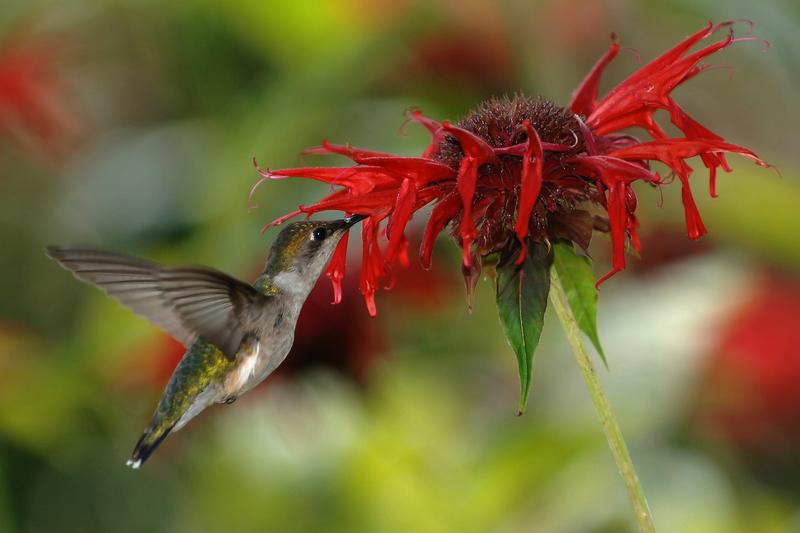
Quick facts
- Watering
- Weekly during dry spells
- Sunlight
- Full sun to partial shade
- Soil
- Moist, humus-rich, well-drained
- Humans
- Safe
- Cats
- Safe
- Dogs
- Safe
- Height
- 60–120 cm
- Spread
- 45–60 cm
- Spacing
- 45–60 cm apart
- RHS recognition
- Award of Garden Merit
About Monarda
Monarda is a striking herbaceous perennial native to North America, prized for its vibrant scarlet, pink, or purple shaggy flowers that bloom from midsummer to early autumn. The aromatic foliage releases a distinctive bergamot scent when brushed, making it a sensory delight in the border. UK gardeners value Monarda for its exceptional ability to attract bees, butterflies, and other pollinators, whilst providing bold colour in cottage garden schemes and prairie-style plantings.
UK fact: Several Monarda cultivars hold the RHS Award of Garden Merit, including 'Cambridge Scarlet' and 'Squaw', recognising their outstanding performance in British gardens despite their susceptibility to mildew in our humid summers.
Watering Monarda
Water regularly during spring and summer, providing approximately 2.5 cm of water weekly during dry periods. Monarda is particularly sensitive to drought stress, which not only causes wilting but also increases susceptibility to powdery mildew. Mulch around plants to retain moisture and keep roots cool. In typical British summers with regular rainfall, supplementary watering may only be needed during prolonged dry spells, but container-grown specimens require more frequent attention.
Sunlight requirements
Plant in a position receiving at least six hours of direct sunlight daily for the best flowering performance. In warmer regions of the UK, particularly the south and east, light afternoon shade can help reduce powdery mildew whilst still producing abundant blooms. Avoid deep shade, which leads to weak, floppy growth and poor flowering.
Soil and feeding
Grow in rich, humus-rich soil that retains moisture without becoming waterlogged. Work in plenty of well-rotted compost or manure before planting to improve both moisture retention and fertility. Monarda tolerates a wide pH range but performs best in neutral to slightly acidic conditions (pH 6.0-7.0). Heavy clay soils benefit from added organic matter and grit to improve drainage, whilst sandy soils require generous amounts of compost to boost water-holding capacity.
Feed established plants in early spring with a general-purpose granular fertiliser such as blood, fish and bone, scattering around the base at 70g per square metre. Apply a 5-7 cm layer of well-rotted compost or manure as a mulch in March to suppress weeds, retain moisture, and provide slow-release nutrients throughout the growing season.
Pruning Monarda
Remove spent flowerheads throughout summer to encourage further blooms and prevent self-seeding if desired. In late autumn after the first frosts blacken the foliage, cut all stems down to ground level, or leave the architectural seedheads for winter interest and wildlife, cutting back in February before new growth emerges. Divide congested clumps every three to four years in spring to maintain vigour and reduce the spread of mildew through improved air circulation.
Propagating Monarda
Division is the most reliable method for propagating Monarda and should be carried out every three to four years to maintain plant health. Lift established clumps in March or April as new growth emerges, using a garden fork to minimise root damage. Divide into sections with several strong shoots and a good root system, discarding the woody central portion. Monarda can also be grown from seed sown in spring, though cultivars will not come true to type.
Common problems
Powdery mildew is the most common problem affecting Monarda in the UK, particularly during humid summers with poor air circulation, appearing as white powdery patches on leaves. Improve spacing, avoid overhead watering, and choose mildew-resistant cultivars such as 'Scorpion' or 'Squaw' to minimise issues. Slugs and snails may damage young spring growth, whilst aphids occasionally colonise shoot tips in early summer. Monarda can spread vigorously through rhizomes and may require regular division to keep it within bounds.
Spot a problem with your plant? Photograph the affected area using the Loam app and it will suggest the most likely cause and treatment.
Safety
- Humans
- Safe
- Cats
- Safe
- Dogs
- Safe
Toxicity information is for general guidance only.
Seasonal care calendar
Monthly care guide for Monarda in the UK, based on average conditions.
| Month | Care tasks |
|---|---|
| January | No action needed. Plants are fully dormant. |
| February | Cut back any remaining dead stems to ground level before new growth emerges. Apply a general-purpose fertiliser. |
| March | Divide congested clumps as new shoots appear. Mulch around plants with well-rotted compost. Watch for slug damage on emerging shoots. |
| April | Continue dividing if needed. Water during dry spells as growth accelerates. Stake tall varieties if necessary. |
| May | Water regularly to maintain moist soil. Watch for early signs of powdery mildew and ensure good air circulation. |
| June | Enjoy early flowers on some cultivars. Deadhead spent blooms to encourage more flowers. Water during dry periods. |
| July | Peak flowering period. Deadhead regularly to prolong display. Monitor for powdery mildew and remove affected leaves. |
| August | Continue deadheading to extend flowering into autumn. Maintain consistent watering during dry weather. |
| September | Late flowers continue. Allow some seedheads to develop for autumn interest and to feed birds. |
| October | Leave seedheads standing for winter structure and wildlife value, or cut back if preferred. |
| November | Cut back frosted foliage to ground level if desired, or leave for winter interest. |
| December | No action needed. Plants are dormant. |
Frequently asked questions
- How do I stop powdery mildew on Monarda?
- Powdery mildew appears as white powder on leaves during humid UK summers. Improve air circulation by dividing congested clumps every 3-4 years, water at soil level rather than overhead, and choose resistant cultivars like 'Scorpion' or 'Squaw'. Remove affected leaves promptly and ensure plants aren't overcrowded.
- Why is my Monarda not flowering well?
- Poor flowering is usually caused by insufficient sunlight, drought stress, or overcrowded clumps that need dividing. Ensure plants receive at least six hours of sun and water regularly during dry spells. If you're unsure what's affecting your plant, the Loam app can help diagnose the problem and provide personalised care reminders to keep your Monarda thriving.
- What soil does Monarda need?
- Monarda thrives in moist, fertile, well-drained soil enriched with organic matter. It prefers neutral to slightly acidic pH but tolerates most garden soils. The key is consistent moisture—whilst it dislikes waterlogging, it struggles in dry conditions. Mulch annually with compost to retain moisture and suppress weeds.
Got a question about growing Monarda that isn't covered here? Ask the Garden Advisor in the Loam app. It knows your saved plants and local conditions.
Related plants
This page was compiled with AI assistance and reviewed by our team. .