Hyssop
Hyssopus officinalis
Herbs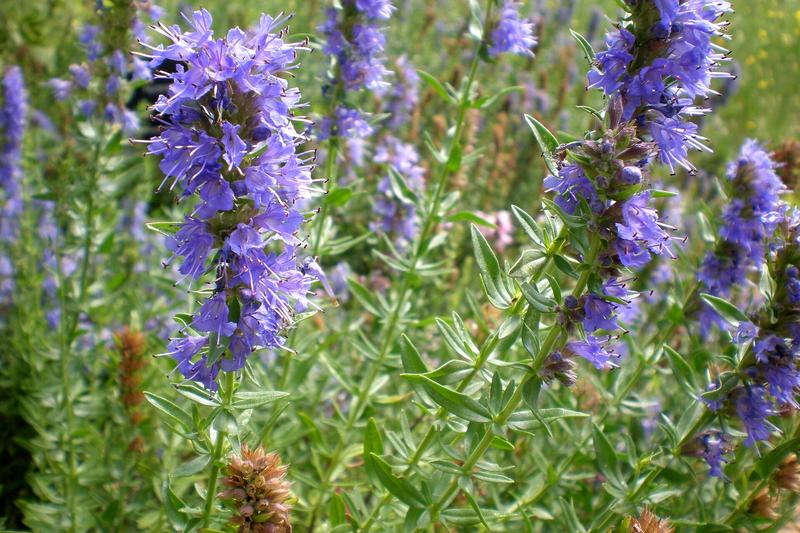
Quick facts
- Watering
- Fortnightly once established
- Sunlight
- Full sun
- Soil
- Well-drained, alkaline to neutral
- Humans
- Toxic
- Cats
- Toxic
- Dogs
- Toxic
- Height
- 40–60 cm
- Spread
- 30–45 cm
- Spacing
- 30–40 cm apart
- RHS recognition
- Award of Garden Merit
About Hyssop
Hyssop is a semi-evergreen perennial herb native to southern Europe and the Mediterranean, forming compact, bushy clumps of aromatic, narrow leaves. From midsummer to early autumn, it produces spikes of vibrant blue, pink, or white flowers that are highly attractive to bees and butterflies. UK gardeners value hyssop for its ornamental appeal in herb gardens and borders, its culinary and medicinal uses, and its exceptional drought tolerance once established. The plant's neat habit and long flowering season make it an excellent choice for cottage gardens, gravel gardens, and wildlife-friendly planting schemes.
UK fact: Hyssop has been grown in British monastery gardens since medieval times, where monks cultivated it for medicinal purposes and as a strewing herb to freshen the air in churches and halls.
Watering Hyssop
Newly planted hyssop requires consistent moisture for the first 8-12 weeks, with weekly watering during dry weather. Once established, hyssop is remarkably drought-tolerant and typically needs watering only during extended dry periods of more than two weeks without rain. Overwatering is the most common mistake in the UK climate, leading to root rot and fungal issues. In containers, water when the top 3-4 cm of compost feels dry, ensuring excellent drainage to prevent waterlogging during our wet winters.
Sunlight requirements
Position hyssop in a spot that receives at least six hours of direct sunlight daily for optimal growth and flower production. In the UK, a south-facing or west-facing position is ideal, though the plant will tolerate an east-facing aspect in warmer regions. Insufficient light leads to leggy growth, reduced flowering, and increased susceptibility to fungal problems in our damp climate.
Soil and feeding
Hyssop performs best in well-drained, moderately fertile soil with a pH of 6.5-7.5, though it tolerates slightly alkaline conditions particularly well. Heavy clay soils must be improved with horticultural grit and organic matter, or consider growing in raised beds to ensure adequate drainage. The plant actually flowers more profusely in lean soils, so avoid over-enriching the ground. In containers, use a loam-based compost such as John Innes No. 2 mixed with 30% horticultural grit for optimal drainage.
Apply a light dressing of general-purpose organic fertiliser or well-rotted compost in early spring if growth appears weak, but avoid overfeeding which encourages soft, leggy growth prone to flopping. Container-grown plants benefit from a monthly liquid feed at half strength during the growing season. Excessive nitrogen produces lush foliage at the expense of flowers and reduces the concentration of aromatic oils.
Pruning Hyssop
Cut back all growth by half to two-thirds in March or early April, just as new shoots appear at the base, to prevent the plant becoming woody and leggy. Deadhead spent flower spikes in late summer to promote a second, smaller flush of autumn blooms and maintain a tidy appearance. In mild regions, a light trim after flowering in August helps maintain shape. Avoid cutting into old, woody growth as hyssop is reluctant to regenerate from bare stems, and replace plants that become excessively woody after 4-5 years.
Propagating Hyssop
Softwood cuttings taken in May or June root readily and produce flowering plants by the following year. Seed-raised plants are also reliable but may show slight variation in flower colour and won't bloom until their second season. Division of established clumps in spring is possible but less successful than cuttings, as hyssop develops a woody rootstock that resents disturbance. Semi-ripe cuttings taken in late summer provide an alternative method and root well in a cold frame.
Common problems
Hyssop is generally trouble-free and resistant to most pests and diseases, making it an excellent choice for organic gardens. In poorly drained soils or during prolonged wet weather, root rot and powdery mildew can occasionally occur; ensure excellent drainage and avoid overhead watering. Aphids may colonise soft new growth in spring but rarely cause significant damage and are easily controlled by encouraging natural predators or washing off with water. In very dry summers, red spider mite can affect plants in hot, sheltered positions, indicated by fine webbing and bronzed foliage.
Spot a problem with your plant? Photograph the affected area using the Loam app and it will suggest the most likely cause and treatment.
Safety
- Humans
-
Toxic
Hyssop essential oil contains pinocamphone and should be avoided during pregnancy. The herb in culinary quantities is generally safe, but large medicinal doses may cause seizures in susceptible individuals.
- Cats
-
Toxic
Hyssop contains volatile oils that can cause gastrointestinal upset and neurological symptoms in cats if ingested in quantity.
- Dogs
-
Toxic
The essential oils in hyssop can cause vomiting, diarrhoea, and in large quantities, seizures in dogs. Keep pets away from the plant.
Toxicity information is for general guidance only. If a person or pet has been exposed to this plant and you are concerned, seek advice from a medical professional or vet.
Seasonal care calendar
Monthly care guide for Hyssop in the UK, based on average conditions.
| Month | Care tasks |
|---|---|
| January | No action needed. Plants are dormant or semi-evergreen depending on winter severity. |
| February | Check plants for winter damage and ensure good drainage around the base to prevent waterlogging. |
| March | Prune back all growth by half to two-thirds as new shoots emerge. Apply light organic fertiliser if needed. |
| April | Sow seeds under cover or plant out container-grown specimens. Take divisions if required, though cuttings are preferable. |
| May | Water newly planted hyssop regularly. Begin taking softwood cuttings from mid-month onwards. |
| June | Continue taking softwood cuttings. Flowering begins late in the month. Water during dry spells. |
| July | Peak flowering period. Harvest leaves and flowers for culinary or medicinal use. Deadhead to prolong blooming. |
| August | Deadhead spent flowers to encourage a second flush. Take semi-ripe cuttings if desired. Continue harvesting. |
| September | Second flush of flowers appears. Reduce watering as autumn rains begin. Collect seed if required. |
| October | Flowering finishes. Leave seedheads for birds or remove for tidiness. Reduce watering further. |
| November | Tidy around plants but avoid cutting back woody growth. Ensure drainage is clear before winter. |
| December | No action needed. Plants enter dormancy or retain some evergreen foliage in mild areas. |
Frequently asked questions
- When should I prune hyssop?
- Prune hyssop hard in early spring, ideally in March, cutting back by half to two-thirds to maintain compact growth and prevent legginess. Hyssop naturally develops a woody base with age, so annual pruning is essential. Regular harvesting throughout the growing season also encourages bushier growth. Plants older than 5-6 years may become too woody to rejuvenate and need replacing.
- Why are my hyssop leaves turning yellow?
- Yellowing hyssop leaves typically indicate overwatering or poor drainage, as hyssop prefers dry conditions and is more susceptible to winter wet than cold. Check soil moisture and ensure excellent drainage, particularly in heavy clay soils. Yellowing can also result from nutrient deficiency or pest issues. For accurate diagnosis of your specific plant's symptoms and personalised care advice, the Loam app can analyse photos and provide tailored recommendations.
- What type of soil does hyssop need?
- Hyssop thrives in well-drained, moderately fertile soil and tolerates poor, dry conditions once established. It performs best in neutral to alkaline soil (pH 6.5-8.0) and struggles in heavy clay or waterlogged conditions. Improve drainage by incorporating grit or sharp sand, particularly on heavier soils. For container growing, use loam-based compost with added grit. Hyssop is drought-tolerant and requires minimal feeding.
Got a question about growing Hyssop that isn't covered here? Ask the Garden Advisor in the Loam app. It knows your saved plants and local conditions.
Related plants
This page was compiled with AI assistance and reviewed by our team. .