Catananche
Catananche caerulea
Perennials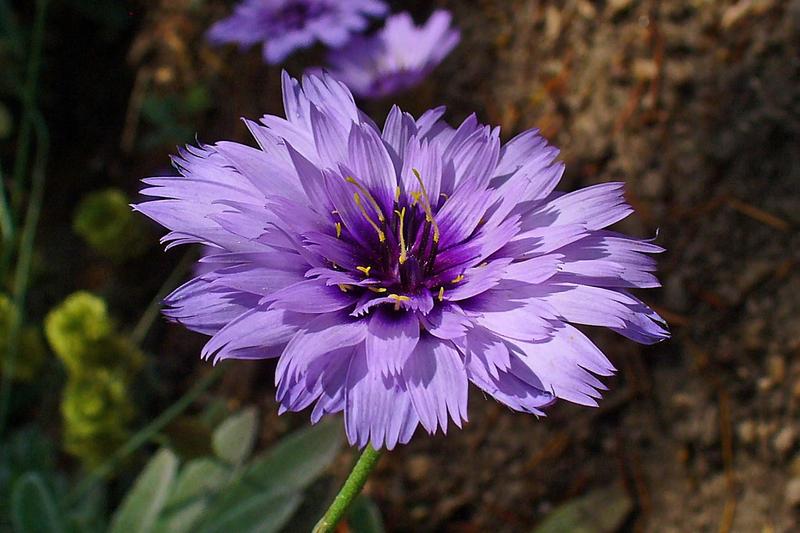
Quick facts
- Watering
- Fortnightly once established
- Sunlight
- Full sun
- Soil
- Well-drained, sandy or gravelly
- Humans
- Safe
- Cats
- Safe
- Dogs
- Safe
- Height
- 45–60 cm
- Spread
- 30–45 cm
- Spacing
- 30–40 cm apart
- RHS recognition
- Award of Garden Merit
About Catananche
Catananche is a charming Mediterranean perennial prized for its papery, cornflower-blue flowers that appear throughout summer on wiry stems above grassy grey-green foliage. Native to southwestern Europe, this drought-tolerant plant has become a favourite in British cottage gardens and gravel plantings for its long flowering season and excellent cut and dried flower qualities. UK gardeners value it for bringing colour to hot, dry borders where many other perennials struggle, and for attracting bees and butterflies. The delicate blooms have an everlasting quality, making them perfect for dried flower arrangements that retain their colour for months.
UK fact: Catananche caerulea received the RHS Award of Garden Merit in 1993, recognising its reliable performance in British gardens despite its Mediterranean origins, particularly excelling in the drier eastern counties of England.
Watering Catananche
Water regularly during the first growing season to establish a deep root system, then reduce frequency significantly as catananche is highly drought-tolerant. Established plants typically need watering only during prolonged dry spells in summer, roughly every two weeks if rainfall is absent. Overwatering is the most common cause of failure in British gardens, particularly on heavier soils, so err on the side of underwatering. In containers, water when the top 5cm of compost feels dry, ensuring excellent drainage to prevent root rot.
Sunlight requirements
Catananche requires full sun to thrive and produce abundant flowers, needing at least six hours of direct sunlight daily. In the UK, position plants in south or west-facing borders where they'll receive maximum light. They tolerate our cooler summers well but will become leggy and flower poorly in shade, so avoid planting near taller perennials or shrubs that might cast shadows.
Soil and feeding
Catananche thrives in poor to moderately fertile, sharply drained soil and actually performs better in lean conditions than rich ground. Sandy, gravelly, or chalky soils are ideal, with a pH range of 6.5-8.0, making it perfect for alkaline gardens. On heavy clay, improve drainage by incorporating plenty of horticultural grit and raising beds, or grow in containers with a loam-based compost mixed 50:50 with grit. Winter wet is far more problematic than summer drought, so excellent drainage is essential for long-term survival in the UK climate.
Catananche requires minimal feeding and actually flowers more profusely in lean soil. A single light application of general-purpose fertiliser in early spring is sufficient, or simply mulch with a thin layer of garden compost. Avoid high-nitrogen feeds which promote lush foliage at the expense of flowers and can reduce winter hardiness.
Pruning Catananche
Deadhead spent flowers regularly throughout summer to prolong the flowering season and maintain a tidy appearance, cutting back to just above the foliage clump. In late autumn or early spring, cut back all dead stems and foliage to ground level before new growth emerges. Catananche is short-lived, typically lasting 2-3 years, so allow some flowers to set seed or divide clumps in spring to maintain stock. Avoid autumn pruning in colder regions, leaving old foliage as winter protection and tidying in March instead.
Propagating Catananche
Catananche is easily raised from seed sown in spring under cover at 15-18°C, with seedlings flowering in their second year. Division of established clumps in early spring is the quickest method for identical plants, carefully separating the crown into sections with roots attached. Root cuttings taken in late winter also work well: cut 5cm sections of thick roots, insert vertically in gritty compost, and keep in a cold frame until growth appears. Given its short-lived nature, propagate every 2-3 years to maintain a succession of vigorous plants.
Common problems
Catananche is generally trouble-free but its main enemy in British gardens is winter wet, which causes root rot on poorly drained soils. Aphids may occasionally colonise flower stems in early summer but rarely cause serious damage and can be controlled with a strong water spray or organic insecticide. Powdery mildew can affect foliage in dry summers, particularly on stressed plants, though it's usually cosmetic. The plant's short lifespan of 2-3 years is natural rather than a problem, so regular propagation is essential for continuity rather than a sign of poor cultivation.
Spot a problem with your plant? Photograph the affected area using the Loam app and it will suggest the most likely cause and treatment.
Safety
- Humans
- Safe
- Cats
- Safe
- Dogs
- Safe
Toxicity information is for general guidance only.
Seasonal care calendar
Monthly care guide for Catananche in the UK, based on average conditions.
| Month | Care tasks |
|---|---|
| January | No action needed; plants are dormant. |
| February | Take root cuttings from established plants in mild spells. |
| March | Cut back old foliage, divide congested clumps, and apply light general fertiliser. |
| April | Sow seeds under cover and plant out divisions or new plants. |
| May | Water newly planted specimens regularly to establish roots. |
| June | Enjoy the first flush of flowers and begin regular deadheading. |
| July | Continue deadheading to prolong flowering and cut stems for drying. |
| August | Deadhead regularly and water during prolonged dry spells. |
| September | Allow some late flowers to set seed for self-sowing or collecting. |
| October | Reduce watering as growth slows and flowering finishes. |
| November | Leave old foliage in place for winter protection in colder areas. |
| December | No action needed; ensure soil drainage remains good during wet weather. |
Frequently asked questions
- Why is my catananche dying after winter?
- Catananche is highly susceptible to winter wet on heavy or poorly drained soils, which causes root rot. Ensure excellent drainage by growing in sandy or gravelly soil, or add plenty of grit to clay. The plant is also naturally short-lived (2-3 years), so regular propagation maintains healthy stock.
- When should I deadhead catananche for more flowers?
- Deadhead spent blooms regularly from June through August, cutting stems back to just above the foliage clump. The Loam app can send you timely reminders for deadheading and other seasonal tasks tailored to your garden's conditions, helping you maximise flowering throughout summer.
- Can catananche grow in pots in the UK?
- Yes, catananche grows excellently in containers, which actually improves winter survival by providing the sharp drainage it needs. Use a 50:50 mix of loam-based compost and horticultural grit in pots at least 25cm wide, and position in full sun. Container plants need more frequent watering in summer but less winter wet.
Got a question about growing Catananche that isn't covered here? Ask the Garden Advisor in the Loam app. It knows your saved plants and local conditions.
Related plants
This page was compiled with AI assistance and reviewed by our team. .