Annual Scabious
Scabiosa atropurpurea
Annuals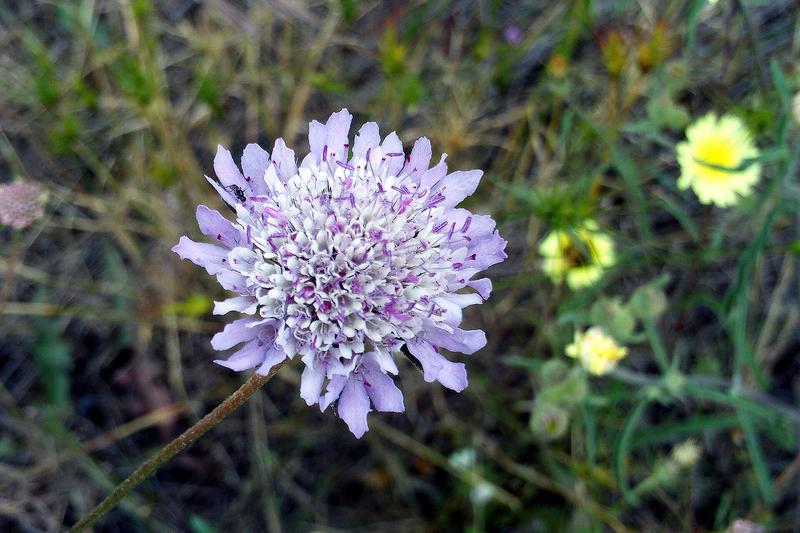
Quick facts
- Watering
- Weekly during dry spells
- Sunlight
- Full sun
- Soil
- Well-drained, moderately fertile, alkaline
- Humans
- Safe
- Cats
- Safe
- Dogs
- Safe
- Height
- 60–90 cm
- Spread
- 20–30 cm
- Spacing
- 20–30 cm apart
About Annual Scabious
Annual Scabious is a charming cottage garden favourite producing distinctive pincushion-like flowers in shades of deep purple, crimson, pink, and white from summer through to autumn. Native to the Mediterranean region, this hardy annual has been cultivated in British gardens since the 16th century and remains popular for its long flowering season and excellent cutting qualities. Growing 60-90cm tall, it produces delicate, sweetly scented blooms atop slender stems that sway gracefully in the breeze. UK gardeners prize it for attracting bees, butterflies, and other pollinators whilst providing a continuous supply of cut flowers throughout the summer months.
UK fact: Annual Scabious has been a staple of British cottage gardens since Tudor times and was traditionally grown in monastery gardens for its supposed medicinal properties, with the common name 'scabious' derived from the Latin 'scabies', as it was once believed to cure skin ailments.
Watering Annual Scabious
Once established, Annual Scabious is moderately drought-tolerant and typically requires watering only during prolonged dry periods in the UK. Water deeply once a week during dry summer weather, allowing the soil to dry slightly between waterings to prevent root rot. Young plants and those in containers need more frequent watering, particularly during hot spells. Avoid overhead watering in the evening as wet foliage can encourage powdery mildew, which is more prevalent in humid British summers.
Sunlight requirements
Annual Scabious thrives in full sun and requires at least six hours of direct sunlight daily to produce abundant flowers. In the UK, a south or west-facing position is ideal, though plants will tolerate light shade in the hottest part of the day in southern regions. Insufficient light results in weak, leggy growth and reduced flowering, so avoid planting in the shadow of walls, fences, or larger plants.
Soil and feeding
Annual Scabious performs best in well-drained, moderately fertile soil with a neutral to slightly alkaline pH of 6.5-7.5. Heavy clay soils should be improved with grit and organic matter to enhance drainage, as waterlogged conditions can cause root rot. The plant tolerates poor, chalky soils well, making it ideal for gardens on limestone or chalk. Avoid overly rich soils, which promote lush foliage at the expense of flowers.
Annual Scabious requires minimal feeding and excessive fertiliser can reduce flowering. Apply a balanced liquid feed once or twice during the growing season if plants are in containers or very poor soil. Avoid high-nitrogen fertilisers, which encourage leafy growth rather than blooms.
Pruning Annual Scabious
Deadhead spent flowers regularly throughout the summer to prolong flowering and prevent self-seeding, though some gardeners allow late-season flowers to set seed for naturalising or to provide winter food for birds. Cut stems back to just above a leaf node to encourage side shoots and more blooms. At the end of the season, pull up and compost plants after the first hard frost, or leave seed heads standing if you wish to collect seed or support wildlife.
Propagating Annual Scabious
Annual Scabious is easily grown from seed sown directly outdoors in April or May, or started indoors in March for earlier flowering. Sow seeds thinly on the surface of moist compost, covering lightly, and germination typically occurs within 10-14 days at 15-18°C. Thin or transplant seedlings to 20-30cm spacing once large enough to handle. For continuous blooms, make successive sowings every three to four weeks until early summer. Plants may self-seed freely in favourable conditions, providing volunteer seedlings the following spring.
Common problems
Annual Scabious is generally trouble-free but can be affected by powdery mildew in humid conditions, particularly when plants are overcrowded or in poor air circulation. Aphids occasionally colonise young growth and flower buds, and can be controlled with insecticidal soap or by encouraging natural predators. Slugs and snails may damage young seedlings in spring, so protect with organic slug pellets or barriers. In very wet summers, root rot can occur in poorly drained soils, so ensure adequate drainage when planting.
Spot a problem with your plant? Photograph the affected area using the Loam app and it will suggest the most likely cause and treatment.
Safety
- Humans
- Safe
- Cats
- Safe
- Dogs
- Safe
Toxicity information is for general guidance only.
Seasonal care calendar
Monthly care guide for Annual Scabious in the UK, based on average conditions.
| Month | Care tasks |
|---|---|
| January | No action needed. Plan where to sow Annual Scabious in spring. |
| February | No action needed. Order seeds if not already obtained. |
| March | Sow seeds indoors in modules or trays for earlier flowering. Prepare planting sites by improving drainage if necessary. |
| April | Sow seeds directly outdoors where they are to flower. Harden off indoor-sown seedlings and transplant after last frosts. |
| May | Continue direct sowing for succession. Thin seedlings to 20-30cm spacing. Water young plants during dry spells. |
| June | First flowers appear. Begin deadheading regularly. Water during dry periods and apply liquid feed to container plants. |
| July | Peak flowering period. Deadhead frequently to prolong blooms. Cut flowers for indoor arrangements. Water weekly in dry weather. |
| August | Continue deadheading and watering. Flowering remains abundant. Watch for powdery mildew and treat if necessary. |
| September | Flowering continues into early autumn. Allow some flowers to set seed if you wish to collect or encourage self-seeding. |
| October | Collect ripe seed heads for sowing next year. Flowering diminishes as temperatures drop. Leave seed heads for birds if desired. |
| November | Pull up and compost spent plants after first hard frost, or leave standing for wildlife value over winter. |
| December | No action needed. Clear any remaining plant debris if not done in November. |
Frequently asked questions
- When should I sow Annual Scabious seeds in the UK?
- Sow Annual Scabious seeds indoors in March for earlier flowering, or directly outdoors from April to early June once the soil has warmed. For continuous blooms, make successive sowings every three to four weeks until midsummer.
- Why isn't my Annual Scabious flowering well?
- Poor flowering is usually caused by insufficient sunlight, overly rich soil, or lack of deadheading. The Loam app can help diagnose specific issues based on your growing conditions and provide personalised care reminders to maximise blooms.
- Can Annual Scabious survive winter in the UK?
- No, Annual Scabious completes its life cycle in one growing season and will die after the first hard frost. However, it self-seeds readily, and volunteer seedlings often appear the following spring if you allow some flowers to set seed in autumn.
Got a question about growing Annual Scabious that isn't covered here? Ask the Garden Advisor in the Loam app. It knows your saved plants and local conditions.
Related plants
This page was compiled with AI assistance and reviewed by our team. .