Sweet Pea
Lathyrus odoratus
Annuals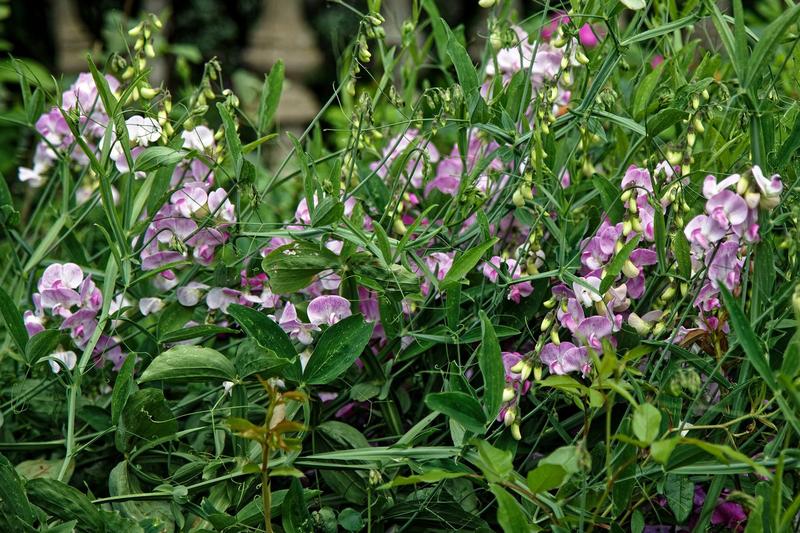
Quick facts
- Watering
- Twice weekly in dry spells
- Sunlight
- Full sun
- Soil
- Rich, moisture-retentive, well-drained
- Humans
- Toxic
- Cats
- Toxic
- Dogs
- Toxic
- Height
- 150–200 cm
- Spread
- 20–30 cm
- Spacing
- 20–25 cm apart
About Sweet Pea
Sweet peas are climbing annuals grown for their intensely fragrant, butterfly-shaped flowers in shades of white, pink, red, purple, and bicolour. A cottage garden favourite in the UK since the 17th century, they are unmatched for cutting: a handful of stems will scent a room for days. Most varieties climb to 1.5–2 m and need support from canes, a wigwam, or a trellis. The secret to a long display is deadheading without exception: allow even a few pods to ripen and flowering stops almost overnight. Heritage varieties such as 'Matucana' and 'Painted Lady' carry the strongest perfume; modern Spencer varieties produce the largest, most ruffled blooms.
UK fact: Sweet peas have been grown in British gardens since seeds were sent from Sicily to England in 1699 by the Sicilian monk Francisco Cupani. The annual National Sweet Pea Society Show is one of the longest-running specialist flower shows in the UK, and competitive growing of long-stemmed exhibition sweet peas remains a uniquely British pursuit.
Watering Sweet Pea
Newly sown seedlings need careful watering: soggy compost at the base causes damping off. Once plants are established in the ground, water deeply twice a week during dry spells rather than giving daily light sprinklings. Sweet peas have deep roots that prefer a thorough soak every few days. Consistent moisture is important during flowering: if the soil dries out, plants quickly begin to set seed and stop producing new buds. A mulch of compost or bark around the base helps retain moisture and keeps the roots cool.
Sunlight requirements
Sweet peas need a position in full sun with at least six hours of direct sunlight per day. In shade, plants become weak and prone to powdery mildew, producing fewer, poorly scented flowers. A south- or west-facing aspect is ideal. Good air circulation is equally important: avoid planting in airless, sheltered corners where humidity builds up, as this dramatically increases the risk of mildew.
Soil and feeding
Sweet peas are heavy feeders that repay good soil preparation. The traditional approach is to dig a trench 30 cm deep in autumn or winter, line it with well-rotted compost or manure, and backfill. They prefer a neutral to slightly alkaline pH of 6.5–7.5. On lighter soils, incorporate plenty of organic matter at planting time. Container growing is possible in large pots (at least 30 cm deep) using a rich compost with extra drainage, but plants will never be as vigorous as those grown in open ground.
Before planting out, work a balanced granular fertiliser into the soil. Once flower buds form, switch to a fortnightly liquid feed of a high-potash fertiliser: tomato feed is ideal and inexpensive. High-nitrogen feeds encourage lush leafy growth at the expense of blooms, so avoid them entirely once plants are in the ground. Container-grown plants need feeding more frequently, approximately weekly from the onset of flowering.
Pruning Sweet Pea
The single most important task with sweet peas is daily deadheading. Check plants every day or two during peak flowering (June–August) and remove any spent flowers and developing seed pods the moment they appear. If even a handful of pods are allowed to ripen, the plant interprets this as reproductive success and dramatically reduces flower production within days. When seedlings reach about 10 cm tall, pinch out the growing tip to encourage side-shoots: this produces a bushier plant with more flowering stems rather than a single, weaker leader.
Propagating Sweet Pea
Sweet peas are always raised from seed. There are two main sowing windows in the UK. Autumn sowing (October–November) produces stronger plants with better root systems and earlier flowers, but seedlings need overwintering in a cold frame or frost-free greenhouse. Spring sowing (January–February) is simpler and suitable for unheated homes. Sow in deep modules or root trainers: sweet peas resent root disturbance and tall, narrow containers promote the deep root run they prefer. Sow two seeds per cell, 2.5 cm deep. Nick the hard seed coat with a knife or soak seeds overnight in lukewarm water to improve germination. Germinate at 10–15°C; high temperatures reduce germination rates. Pot on carefully when roots fill the module, handling by the root ball, not the stem.
Common problems
Powdery mildew is the most common problem, producing a white powdery coating on leaves and stems. It is encouraged by dry roots combined with humid air around the foliage: ensure consistent watering and good air circulation. There is no cure once established; remove affected leaves promptly and treat with a sulphur-based fungicide. Aphids (blackfly in particular) cluster on growing tips and flower stems; pinch off heavy infestations by hand or spray with insecticidal soap. Slugs and snails attack young seedlings, especially at planting-out time: use slug pellets or grit around the base. Birds can pull up newly sown seeds; cover seed beds with fleece or netting until germination. If plants flower well but then stop abruptly despite deadheading, check carefully for any small pods hidden in the foliage.
Spot a problem with your plant? Photograph the affected area using the Loam app and it will suggest the most likely cause and treatment.
Safety
- Humans
-
Toxic
The seeds contain toxic compounds and must not be eaten. Sweet peas are not edible and should not be confused with garden peas (Pisum sativum).
- Cats
-
Toxic
Seeds can cause weakness, lethargy, and neurological symptoms if ingested. Occasional nibbling of leaves is unlikely to cause serious harm, but keep pets away from seed pods.
- Dogs
-
Toxic
Seeds can cause weakness, lethargy, and neurological symptoms if ingested. Occasional nibbling of leaves is unlikely to cause serious harm, but keep pets away from seed pods.
Toxicity information is for general guidance only. If a person or pet has been exposed to this plant and you are concerned, seek advice from a medical professional or vet.
Seasonal care calendar
Monthly care guide for Sweet Pea in the UK, based on average conditions.
| Month | Care tasks |
|---|---|
| January | Sow seeds indoors in deep modules or root trainers on a cool windowsill (10–15°C). Soak seeds overnight before sowing. Autumn-sown seedlings in cold frames: check for slug damage; water sparingly. |
| February | Continue sowing indoors until mid-February. Pot on autumn-sown seedlings if roots are filling the module. Pinch out growing tips when seedlings reach 10 cm. |
| March | Begin hardening off seedlings outdoors during mild days. Prepare the planting site: dig in compost or well-rotted manure. Erect supports (canes, wigwam, trellis) before planting. |
| April | Plant out hardened-off seedlings from mid-April in most areas (south) or wait until late April (north). Tie in stems as they grow. Water in well. In the south, direct sow seeds outdoors from mid-April. |
| May | Tie in stems regularly as growth is rapid. Water consistently: do not let the roots dry out. Buds begin to form. Apply fortnightly high-potash liquid feed once buds appear. Watch for aphids on growing tips. |
| June | Peak flowering begins. Deadhead every two days without fail: remove all spent flowers and any forming pods. Cut stems for the house regularly; cutting is as effective as deadheading. Water deeply twice a week. |
| July | Continue deadheading daily. Watch for powdery mildew: improve air circulation and ensure consistent watering. Plants may struggle in prolonged heat; water in the evening and mulch the root zone. |
| August | Flowering slows in hot weather. Allow a few pods to ripen on the healthiest, most fragrant plants if you want to save seed for next year. Mark chosen pods clearly. Remove remaining spent flowers from other plants. |
| September | Harvest fully dried seed pods for next year. Label and store seeds in paper envelopes in a cool, dry place. Remove spent plants after the first frost or once flowering is completely finished. |
| October | Clear all spent growth and compost it (do not leave old stems to harbour mildew spores). Sow new seeds for autumn-sown plants in modules; transfer to cold frame once germinated. |
| November | Autumn-sown seedlings in cold frames: ensure good ventilation on mild days; protect with fleece during hard frosts. Water very sparingly: overwatering in cold, damp conditions causes root rot. |
| December | Autumn seedlings are dormant or growing slowly. Keep cold frame vented on frost-free days. No watering needed unless compost is bone dry. Plan next year's colour scheme and order new seeds. |
Frequently asked questions
- When should I sow sweet peas in the UK?
- There are two windows: October–November for autumn-sown plants (overwintered in a cold frame, earlier flowers), or January–February for spring-sown plants (easier, works on a cool windowsill). Avoid sowing later than mid-February for spring sowings: late plants rarely have time to produce a full season of blooms before the heat of July slows them.
- Why have my sweet peas stopped flowering?
- The most common cause is allowing seed pods to form. Even a few ripening pods tell the plant its job is done, and it stops producing new flowers almost immediately. Check every stem carefully for pods, remove any you find, and deadhead religiously going forward. Other causes include prolonged hot weather, inconsistent watering, or plants having run out of the growing season (August onwards). If you're unsure what's affecting your plant, the Loam app can help diagnose the problem and send you timely reminders to deadhead before pods form.
- What type of soil do sweet peas need?
- Sweet peas thrive in rich, moisture-retentive soil with plenty of organic matter. Before planting, dig in well-rotted compost or manure to a depth of at least 30 cm: their deep roots need both nutrients and consistent moisture throughout the growing season. They prefer a slightly alkaline to neutral pH (6.5–7.5). In heavy clay, improve drainage by adding grit or compost; in sandy soil, add extra organic matter to help retain water. Mulching after planting helps keep roots cool and moist during summer.
Got a question about growing Sweet Pea that isn't covered here? Ask the Garden Advisor in the Loam app. It knows your saved plants and local conditions.
Related plants
This page was compiled with AI assistance and reviewed by our team. .