Yucca
Yucca elephantipes
Houseplants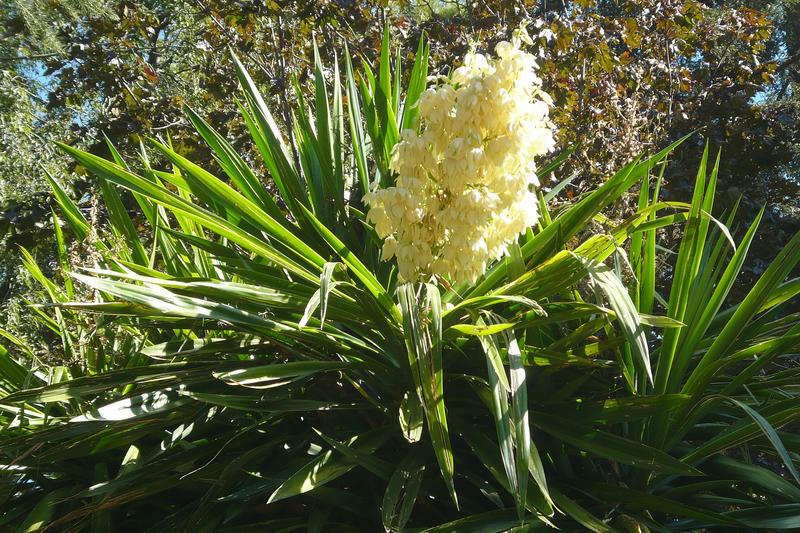
Quick facts
- Watering
- Fortnightly during growing season
- Sunlight
- Full sun to partial shade
- Soil
- Well-drained, gritty compost
- Humans
- Toxic
- Cats
- Toxic
- Dogs
- Toxic
- Height
- 120–300 cm
- Spread
- 60–120 cm
- Spacing
- 0 cm apart
About Yucca
Yucca elephantipes is an architectural houseplant native to Mexico and Central America, prized for its striking rosettes of sword-shaped, glossy green leaves atop thick, woody stems. In the UK, it's one of the most popular indoor plants for adding a bold, tropical accent to homes and offices, thriving in bright rooms and requiring minimal attention. Its tolerance of neglect and dramatic form make it ideal for busy gardeners seeking a statement plant. Mature specimens can reach impressive heights indoors, creating a focal point in any room.
UK fact: Yucca elephantipes is one of the few houseplants that can be successfully moved outdoors to a sheltered patio during the British summer months, where it will appreciate the increased light and fresh air, though it must be brought back inside before autumn frosts arrive.
Watering Yucca
Yucca is drought-tolerant and susceptible to overwatering, the most common cause of failure in UK homes. During spring and summer, water thoroughly every 10–14 days, ensuring excess drains away completely, then allow the top 5–8 cm of compost to dry before watering again. In autumn and winter, when growth slows and central heating reduces humidity, reduce watering to every 3–4 weeks, checking the compost is dry several centimetres down. Always use tepid water and never allow the pot to sit in standing water, as this quickly leads to root rot in the cool, damp British climate.
Sunlight requirements
Position your yucca within a metre of a bright window, ideally south or west-facing, where it will receive several hours of light daily. In the UK's lower light levels, particularly during winter, the brightest spot possible is beneficial, though avoid scorching midday sun through unshaded glass in summer. North-facing rooms may result in slower growth and leggy stems, whilst east-facing aspects provide gentle morning light that suits the plant well.
Soil and feeding
Yucca requires excellent drainage and will quickly succumb to root rot in heavy, moisture-retentive compost. A specialist cactus and succulent compost is ideal, or create your own mix using two parts peat-free multipurpose compost to one part horticultural grit or sharp sand. The pH should be slightly acidic to neutral (6.0–7.0), which standard houseplant composts typically provide. Ensure pots have adequate drainage holes and consider adding a layer of crocks or gravel at the base to improve drainage further.
Apply a balanced liquid feed (such as 10-10-10) diluted to half the recommended strength every 4 weeks from April through September when the plant is actively growing. Avoid feeding during autumn and winter when growth naturally slows in response to reduced light levels in the UK. Overfertilising can cause brown leaf tips and salt build-up in the compost, so err on the side of caution.
Pruning Yucca
Remove dead or yellowing lower leaves by pulling them downwards and away from the stem throughout the year to maintain a tidy appearance. If your yucca becomes too tall for its space, you can cut the main stem to the desired height during spring using clean, sharp secateurs; new shoots will emerge below the cut within weeks. The severed top portion can be rooted as a cutting. Wear gloves when pruning, as the leaf edges can be sharp and the sap may cause mild skin irritation in some individuals.
Propagating Yucca
Yucca elephantipes propagates reliably from stem cuttings taken in late spring or early summer when temperatures are warm enough to encourage rooting. Simply cut a section of stem 10–15 cm long, allow the cut end to callous over for a day or two, then insert it into moist cactus compost. Alternatively, remove offsets (small plantlets) that develop at the base of mature plants, ensuring each has some roots attached. Rooting typically takes 4–6 weeks in a warm spot out of direct sun, and success rates are high even for novice propagators.
Common problems
Yucca is generally trouble-free but can suffer from root rot if overwatered, particularly during the cool, damp British winter months when growth slows. Brown leaf tips often indicate underwatering, low humidity from central heating, or fluoride in tap water; use filtered or rainwater if this persists. Scale insects and mealybugs occasionally infest plants, appearing as small brown bumps or white cottony masses on leaves and stems; treat promptly with insecticidal soap or by wiping with diluted methylated spirits. Yellowing lower leaves are normal as the plant matures, but widespread yellowing suggests overwatering or poor drainage.
Spot a problem with your plant? Photograph the affected area using the Loam app and it will suggest the most likely cause and treatment.
Safety
- Humans
-
Toxic
Yucca contains saponins which can cause vomiting, diarrhoea, and stomach upset if ingested. The sharp leaf tips can also cause physical injury. Keep out of reach of children.
- Cats
-
Toxic
Toxic to cats due to saponin content, causing vomiting, drooling, diarrhoea, and lethargy if ingested. Seek veterinary advice if consumption is suspected.
- Dogs
-
Toxic
Toxic to dogs due to saponin content, causing vomiting, drooling, diarrhoea, and weakness if ingested. Contact your vet immediately if your dog has eaten any part of the plant.
Toxicity information is for general guidance only. If a person or pet has been exposed to this plant and you are concerned, seek advice from a medical professional or vet.
Seasonal care calendar
Monthly care guide for Yucca in the UK, based on average conditions.
| Month | Care tasks |
|---|---|
| January | Water very sparingly, only if compost is completely dry. Keep away from cold draughts and frosty windows. |
| February | Continue minimal watering. Check for scale insects and mealybugs, which thrive in warm indoor conditions. |
| March | Gradually increase watering as light levels improve. Remove any dead lower leaves to tidy the plant. |
| April | Begin monthly feeding with diluted liquid fertiliser. Repot if rootbound, using fresh cactus compost. |
| May | Water every 10–14 days as growth accelerates. Consider moving outdoors to a sheltered, sunny patio after last frosts. |
| June | Continue regular watering and feeding. Take stem cuttings for propagation if desired. |
| July | Maintain watering schedule, ensuring compost dries between waterings. Feed monthly for vigorous growth. |
| August | Continue summer care routine. Prune to control height if necessary, encouraging branching below the cut. |
| September | Bring outdoor plants back inside before night temperatures drop below 10°C. Reduce watering frequency slightly. |
| October | Stop feeding as growth slows. Water only when top half of compost is dry to the touch. |
| November | Reduce watering to every 3–4 weeks. Ensure adequate light as days shorten, moving closer to windows if needed. |
| December | Water sparingly, allowing compost to dry out almost completely. Avoid placing near cold windows or radiators. |
Frequently asked questions
- How often should I water my yucca plant?
- Water your yucca when the top 5cm of compost feels dry to the touch, typically every 10–14 days in spring and summer, and every 3–4 weeks in winter. Yuccas are drought-tolerant and prefer to dry out between waterings. Overwatering is the most common cause of problems—always check soil moisture before watering and ensure your pot has drainage holes.
- Why are the leaves on my yucca turning yellow?
- Yellowing lower leaves are natural as the plant ages, but widespread yellowing indicates overwatering or poor drainage. Reduce watering frequency and ensure your pot has adequate drainage holes. If the compost feels soggy, consider repotting into fresh, free-draining mix. The Loam app can help you diagnose yellowing issues with photo analysis and set personalised watering reminders to prevent future problems.
- How do I propagate yucca from cuttings?
- Take stem cuttings 10–15cm long in spring using clean, sharp secateurs. Remove lower leaves and allow the cut end to callus for 24 hours. Plant in free-draining cactus compost, water lightly, and place in bright, indirect light. Roots develop in 4–6 weeks. Alternatively, remove offsets (pups) that appear at the base with roots attached and pot them up individually.
Got a question about growing Yucca that isn't covered here? Ask the Garden Advisor in the Loam app. It knows your saved plants and local conditions.
Related plants
This page was compiled with AI assistance and reviewed by our team. .