Ponytail Palm
Beaucarnea recurvata
Houseplants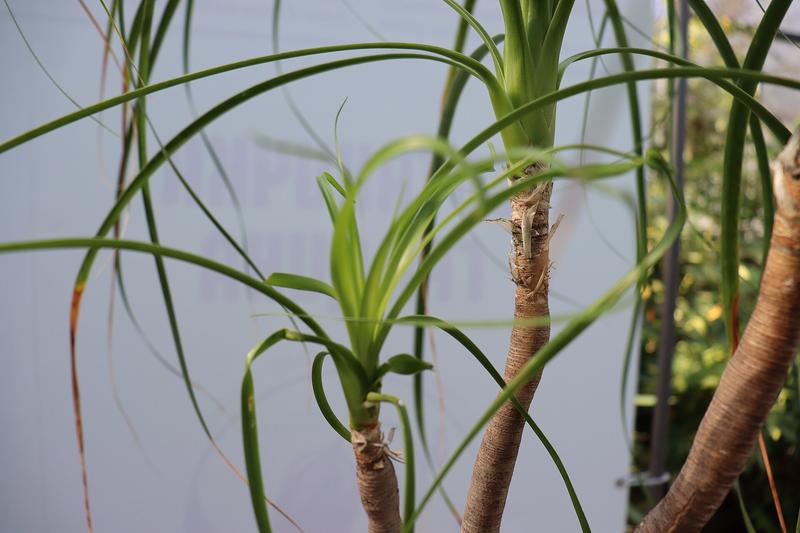
Quick facts
- Watering
- Fortnightly in summer, monthly in winter
- Sunlight
- Full sun to bright light
- Soil
- Very well-drained, gritty compost
- Humans
- Safe
- Cats
- Safe
- Dogs
- Safe
- Height
- 90–180 cm
- Spread
- 60–90 cm
- Spacing
- 60–90 cm apart
About Ponytail Palm
The Ponytail Palm is a striking succulent houseplant native to the semi-desert regions of Mexico, characterised by its swollen trunk base and cascading fountain of long, narrow leaves. Despite its common name, it is not a true palm but a member of the Asparagaceae family, prized for its architectural form and drought tolerance. UK gardeners favour this plant for its low-maintenance nature and ability to thrive in centrally heated homes where many other houseplants struggle. Its sculptural appearance makes it an excellent statement piece for bright conservatories, south-facing windowsills, and modern interiors.
UK fact: The Ponytail Palm has been a popular houseplant in British homes since the Victorian era, when exotic succulents were first introduced to conservatories and glasshouses, though it remains tender and must be kept indoors year-round in the UK climate.
Watering Ponytail Palm
The Ponytail Palm's bulbous base acts as a water reservoir, so err on the side of underwatering rather than overwatering. During the growing season (April to September), water thoroughly when the compost has dried out completely, typically every 10–14 days depending on temperature and pot size. In winter, reduce watering to once a month or less, as the plant enters a semi-dormant state and excess moisture can lead to root rot. Always ensure water drains freely from the pot and never allow the plant to sit in a saucer of water, as this is the most common cause of failure with this species.
Sunlight requirements
Position your Ponytail Palm in the brightest location available, such as a south-facing window where it will receive direct sunlight for much of the day. In the UK's lower light levels, especially during autumn and winter, maximum light exposure is essential to maintain compact growth and prevent the leaves from becoming pale and stretched. East or west-facing windows are acceptable but may result in slower growth and less vigorous foliage.
Soil and feeding
Plant in a specialist cactus and succulent compost, or create your own mix by combining two parts peat-free multipurpose compost with one part horticultural grit or sharp sand. Excellent drainage is absolutely critical, as the roots are prone to rot in moisture-retentive media. The pH should be slightly acidic to neutral (6.0–7.0). Consider adding a layer of grit or fine gravel to the surface of the compost to improve air circulation around the base of the trunk and reduce the risk of fungal issues.
Apply a balanced liquid cactus fertiliser at half strength once a month from April through August. Ponytail Palms are adapted to nutrient-poor soils and require minimal feeding; excessive fertilisation can result in rapid, weak growth that spoils the plant's compact form. Cease feeding entirely from September to March when growth slows.
Pruning Ponytail Palm
Ponytail Palms require very little pruning and the trunk should never be cut, as this can cause irreversible damage or death. Trim away any completely brown or dead leaves at the base using clean, sharp scissors or secateurs. If leaf tips turn brown due to low humidity or irregular watering, you can trim these with scissors to neaten the appearance, cutting at an angle to mimic the natural leaf shape. The plant naturally sheds older lower leaves as it matures, which is normal and not a cause for concern.
Propagating Ponytail Palm
The most reliable method is to remove offsets that develop at the base of established plants, though these appear infrequently. Carefully separate pups with a sharp, sterile knife when they are at least 10 cm tall, ensuring each has some root attached. Allow the cut surfaces to callus for 2–3 days before potting in gritty, well-drained compost. Growing from seed is possible but requires patience, as germination can take several weeks and seedlings grow very slowly, taking many years to develop the characteristic swollen trunk.
Common problems
Ponytail Palms are generally pest-free but can occasionally suffer from scale insects or spider mites, particularly in warm, dry indoor conditions; treat infestations with insecticidal soap or neem oil. Overwatering is the primary cause of problems, leading to root rot, trunk softening, and yellowing leaves; always ensure the compost dries out completely between waterings. Brown leaf tips are common and usually indicate low humidity, inconsistent watering, or fluoride in tap water; using rainwater or filtered water can help. Stem rot at the base is almost always fatal and results from waterlogged compost or water sitting in the crown of the plant.
Spot a problem with your plant? Photograph the affected area using the Loam app and it will suggest the most likely cause and treatment.
Safety
- Humans
- Safe
- Cats
- Safe
- Dogs
- Safe
Toxicity information is for general guidance only.
Seasonal care calendar
Monthly care guide for Ponytail Palm in the UK, based on average conditions.
| Month | Care tasks |
|---|---|
| January | Keep in a bright position and water very sparingly, only if compost is bone dry. Maintain minimum temperature of 10°C. |
| February | Continue minimal watering regime. Clean dust from leaves with a soft, damp cloth to maximise light absorption. |
| March | Begin to increase watering slightly as light levels improve and growth resumes. Check for any winter damage to leaves. |
| April | Resume normal watering when compost dries out. Begin monthly feeding with diluted cactus fertiliser. Repot if rootbound, using fresh gritty compost. |
| May | Water regularly when compost dries, typically every 10–14 days. Continue monthly feeding. Move outdoors to a sunny patio if desired, after hardening off. |
| June | Maintain regular watering and feeding schedule. Ensure maximum light exposure for vigorous growth. |
| July | Peak growing season; water when dry and feed monthly. Monitor for pests, especially if plant is outdoors. |
| August | Continue summer care regime. Bring outdoor plants back inside before night temperatures drop below 12°C. |
| September | Reduce watering frequency as growth slows. Give final feed of the season early in the month. |
| October | Decrease watering further; allow compost to dry thoroughly between waterings. Stop feeding. |
| November | Water only when compost is completely dry, typically once a month. Ensure plant receives maximum available light. |
| December | Minimal watering required. Keep away from cold draughts and radiators. Maintain in brightest possible position. |
Frequently asked questions
- How often should I water my Ponytail Palm?
- Water your Ponytail Palm thoroughly but infrequently, allowing the compost to dry out completely between waterings. In spring and summer, this typically means every 2–3 weeks; in winter, reduce to once a month or less. The swollen trunk stores water, making the plant very drought-tolerant. Overwatering is the most common cause of problems. For personalised watering reminders based on your home conditions and pot size, the Loam app can help you get the timing right.
- Why is my Ponytail Palm not growing or producing new leaves?
- Slow or stalled growth is usually due to insufficient light, being pot-bound for too long, lack of nutrients, or cold temperatures. Ponytail Palms need bright, direct light to thrive and grow actively in spring and summer. Try moving it to a sunnier spot and feed monthly during the growing season with a balanced liquid fertiliser. If you're unsure what's causing the problem, the Loam app can help diagnose growth issues and provide tailored care advice for your specific conditions.
- What type of compost should I use for my Ponytail Palm?
- Use a very free-draining, gritty compost mix. A cactus and succulent compost is ideal, or make your own by mixing 2 parts multipurpose compost with 1 part horticultural grit or perlite. Good drainage is essential to prevent root rot, as Ponytail Palms are adapted to arid conditions. Avoid moisture-retentive composts or those with high peat content, which stay too wet for too long.
Got a question about growing Ponytail Palm that isn't covered here? Ask the Garden Advisor in the Loam app. It knows your saved plants and local conditions.
Related plants
This page was compiled with AI assistance and reviewed by our team. .