Spider Plant
Chlorophytum comosum
Houseplants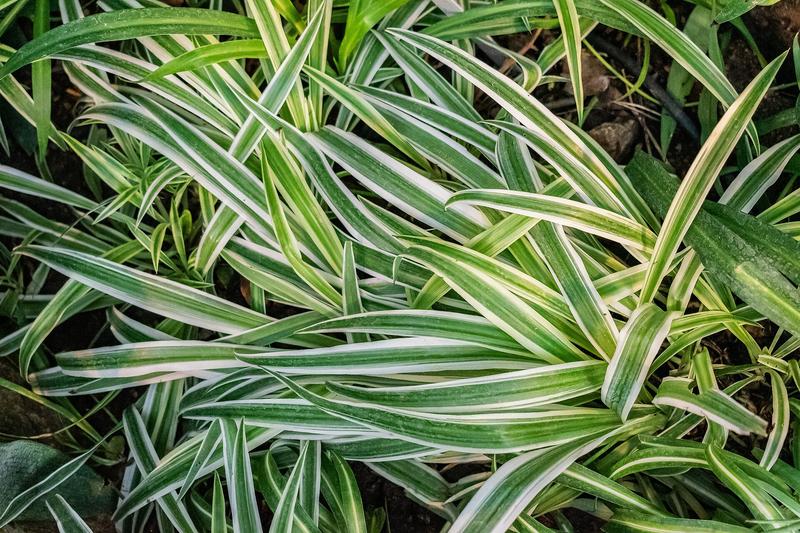
Quick facts
- Watering
- Weekly during growing season
- Sunlight
- Bright indirect light
- Soil
- Well-draining, peat-free multipurpose compost
- Humans
- Safe
- Cats
- Safe
- Dogs
- Safe
- Height
- 30–60 cm
- Spread
- 30–60 cm
- Spacing
- 0 cm apart
About Spider Plant
The Spider Plant is a popular houseplant native to tropical and southern Africa, renowned for its arching, variegated foliage and cascading plantlets that resemble spiders on webs. British gardeners have cherished this resilient plant since Victorian times for its air-purifying qualities and ease of care. Its graceful, fountain-like growth habit and ability to thrive in typical UK indoor conditions make it an ideal choice for beginners and experienced plant enthusiasts alike. The distinctive white or cream-striped leaves add year-round interest to homes, offices, and conservatories throughout Britain.
UK fact: Spider Plants were among the most popular houseplants in British homes during the 1970s and have experienced a resurgence in recent years, with the RHS reporting renewed interest from younger gardeners seeking low-maintenance, air-purifying indoor plants.
Watering Spider Plant
Spider Plants prefer evenly moist compost during the growing season from spring through summer, typically requiring watering once weekly in centrally heated UK homes. Allow the top layer of compost to dry between waterings, as the thick, fleshy roots store water and are prone to rot if overwatered. Reduce watering to fortnightly or less during the British winter when growth slows and indoor heating can dry the air. Use tepid water rather than cold tap water, and if possible, allow chlorinated water to stand overnight, as Spider Plants can develop brown leaf tips from fluoride and chlorine commonly found in UK mains water.
Sunlight requirements
Position your Spider Plant near an east or north-facing window in UK homes for optimal growth, avoiding direct summer sun which can scorch the leaves. South-facing windowsills are suitable during autumn and winter months when sunlight is less intense. In darker British interiors, the plant will survive but may produce fewer plantlets and less vibrant variegation.
Soil and feeding
Spider Plants grow best in a well-draining, peat-free multipurpose compost that retains some moisture without becoming waterlogged. A mix of houseplant compost with added perlite or horticultural grit (approximately 3:1 ratio) provides excellent drainage whilst maintaining the moisture retention these plants prefer. They tolerate a wide pH range from slightly acidic to neutral (6.0-7.0), making standard UK houseplant composts perfectly suitable. Repot every 2-3 years in spring, moving up one pot size when roots become congested, as Spider Plants actually flower more readily when slightly pot-bound.
Apply a balanced liquid fertiliser (such as 10-10-10 NPK) at half the recommended strength once a month during the growing season from April through September. Avoid overfeeding, which can cause brown leaf tips and reduce the plant's natural resilience. No feeding is necessary during the British winter months when growth naturally slows.
Pruning Spider Plant
Trim brown or yellowing leaves at the base using clean, sharp scissors whenever they appear, which is common in UK homes due to dry central heating. Cut back damaged leaf tips at an angle to mimic the natural leaf shape, though this is purely cosmetic. Remove spent flower stems once blooming finishes, unless you wish to allow plantlets to develop. Prune away any plantlets you don't want to propagate, as leaving too many can drain the parent plant's energy, though Spider Plants generally tolerate producing multiple offsets without issue.
Propagating Spider Plant
Propagation is straightforward and can be done year-round, though spring and summer yield the fastest results in UK conditions. The most reliable method involves rooting plantlets whilst still attached to the parent plant, allowing them to develop a strong root system before separation. Alternatively, detach plantlets with at least 2-3 cm of roots already visible and pot them directly into compost. Water propagation is also highly successful, with plantlets developing roots within 1-2 weeks on a UK windowsill.
Common problems
Spider Plants are generally trouble-free but can develop brown leaf tips caused by fluoride or chlorine in UK tap water, low humidity from central heating, or inconsistent watering. Overwatering in poorly draining compost leads to root rot, particularly during the British winter when growth slows. Occasionally, red spider mite or mealybugs may appear in dry indoor conditions; treat infestations by wiping leaves with a damp cloth and improving humidity. Pale or faded variegation indicates insufficient light, whilst scorched brown patches suggest too much direct sun.
Spot a problem with your plant? Photograph the affected area using the Loam app and it will suggest the most likely cause and treatment.
Safety
- Humans
- Safe
- Cats
- Safe
- Dogs
- Safe
Toxicity information is for general guidance only.
Seasonal care calendar
Monthly care guide for Spider Plant in the UK, based on average conditions.
| Month | Care tasks |
|---|---|
| January | Reduce watering to fortnightly. Maintain temperatures above 10°C. Wipe dust from leaves to maximise light absorption during short winter days. |
| February | Continue minimal watering. Check for pests in dry, centrally heated rooms. Remove any dead or damaged foliage. |
| March | Gradually increase watering as days lengthen. Begin monthly feeding if new growth appears. Repot if roots are congested. |
| April | Resume weekly watering and monthly feeding. Ideal time for repotting and propagating plantlets. Move to brighter positions as sun intensity increases. |
| May | Maintain regular watering and feeding schedule. Watch for flower stems developing. Propagate plantlets as they appear. |
| June | Water weekly, more frequently in hot weather. Feed monthly. Small white flowers may appear on mature plants. Protect from intense midday sun. |
| July | Peak growing season—maintain consistent watering and feeding. Plantlets develop after flowering. Mist occasionally during hot spells to increase humidity. |
| August | Continue regular care routine. Propagate abundant plantlets. Ensure adequate water during warm weather but avoid waterlogging. |
| September | Reduce feeding to fortnightly as growth slows. Maintain weekly watering. Last opportunity for successful propagation before winter. |
| October | Stop feeding. Gradually reduce watering frequency. Move plants away from cold windows as temperatures drop. |
| November | Water sparingly, only when compost surface is dry. Ensure minimum temperature of 10°C. Reduce humidity around plants to prevent fungal issues. |
| December | Minimal watering required. Keep away from cold draughts and frosty windows. Wipe leaves clean to maximise winter light. |
Frequently asked questions
- How often should I water my Spider Plant in winter?
- During UK winter months (November-February), water your Spider Plant sparingly—approximately once every 10-14 days, allowing the top 5cm of compost to dry out between waterings. Reduced daylight and cooler temperatures mean the plant grows more slowly and requires less moisture. Overwatering in winter is a common cause of root rot, so always check soil moisture before watering.
- What are the brown spots on my Spider Plant's leaves?
- Brown spots on Spider Plant leaves can indicate several issues: fungal leaf spot from overwatering, pest damage from scale insects or spider mites, or sunburn from direct light. Examine leaves closely for tiny insects or webbing, check your watering routine, and assess light conditions. The Loam app can help diagnose the specific cause through photo analysis and provide personalised treatment recommendations based on your plant's environment.
- How do I propagate Spider Plant babies?
- Spider Plant plantlets can be propagated in two ways: either leave them attached to the mother plant and place the base in a small pot of moist compost until roots develop (4-6 weeks), or cut them off with scissors and root them in water before potting up. Spring and summer are ideal times for propagation. Once rooted plantlets show new growth, treat them as independent plants with regular watering and feeding.
Got a question about growing Spider Plant that isn't covered here? Ask the Garden Advisor in the Loam app. It knows your saved plants and local conditions.
Related plants
This page was compiled with AI assistance and reviewed by our team. .