Asparagus Fern
Asparagus setaceus
Houseplants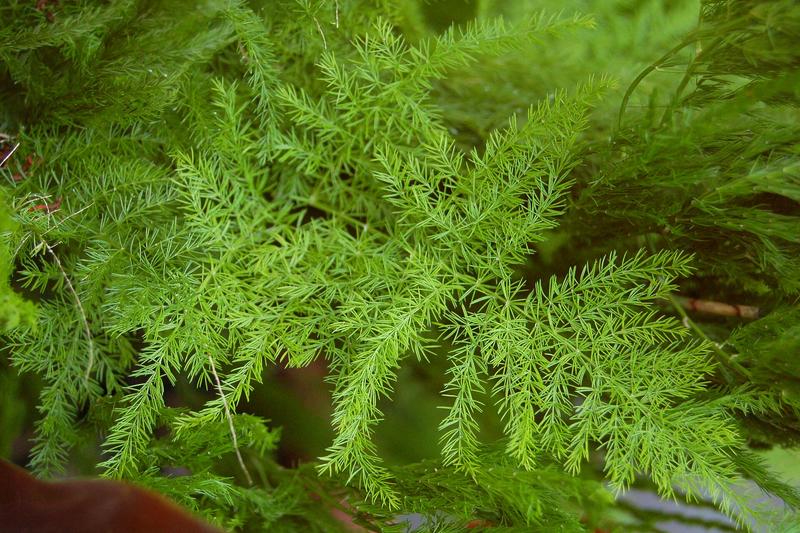
Quick facts
- Watering
- Twice weekly in summer
- Sunlight
- Bright indirect light
- Soil
- Well-drained, peat-free multipurpose compost
- Humans
- Toxic
- Cats
- Toxic
- Dogs
- Toxic
- Height
- 30–60 cm
- Spread
- 30–90 cm
- Spacing
- 0 cm apart
About Asparagus Fern
Asparagus Fern is an elegant houseplant native to South Africa, prized for its delicate, feathery foliage that resembles soft green clouds. Despite its common name, it's not a true fern but a member of the lily family, producing fine, needle-like leaves on gracefully arching stems. UK gardeners favour this plant for adding texture to indoor displays, particularly in bright bathrooms or conservatories where its trailing habit can be showcased. Its airy appearance and relatively easy care make it a popular choice for adding a touch of greenery to British homes year-round.
UK fact: Asparagus Fern was a favourite in Victorian Britain, often displayed in ornate hanging baskets in conservatories and parlours, where its delicate foliage complemented the era's love of exotic plants and elaborate indoor gardens.
Watering Asparagus Fern
Keep the compost consistently moist during the growing season from spring through summer, watering approximately twice weekly when the top centimetre feels dry. Reduce watering in autumn and winter to once weekly, allowing the compost to dry slightly between waterings. Asparagus Fern is sensitive to both overwatering and drought; the former causes root rot whilst the latter leads to leaf drop and browning. Use tepid water and ensure pots have drainage holes, as waterlogged roots quickly deteriorate in the cooler British climate.
Sunlight requirements
Asparagus Fern thrives in bright, indirect light and will tolerate some morning sun, making east-facing windowsills ideal in UK homes. Avoid direct afternoon sun, which can scorch the delicate foliage and cause yellowing. In darker British winters, move the plant closer to windows or consider supplementary grow lights to maintain healthy growth.
Soil and feeding
Plant in a well-drained, peat-free multipurpose compost enriched with perlite or horticultural grit to improve drainage. A slightly acidic to neutral pH of 6.0-7.0 is ideal. Repot annually in spring when roots fill the pot, moving up one pot size to accommodate the tuberous root system. Good drainage is essential as the fleshy roots are prone to rot in heavy, waterlogged compost, particularly during the darker British winter months.
Feed fortnightly from April to September with a balanced liquid houseplant fertiliser diluted to half strength. Reduce feeding to monthly in autumn and cease entirely in winter when growth slows. Avoid overfeeding, which can cause excessive soft growth and salt build-up in the compost.
Pruning Asparagus Fern
Prune regularly to maintain shape and remove any yellowing or dead stems at the base using clean, sharp scissors. Trim back overgrown or straggly growth in spring to encourage bushier, more compact growth. The fine foliage can be trimmed lightly throughout the year without harm. Wear gloves when pruning as the stems can be slightly prickly and may cause minor skin irritation in sensitive individuals.
Propagating Asparagus Fern
Asparagus Fern is most easily propagated by division in spring when repotting; carefully separate the tuberous roots into sections, ensuring each has healthy roots and shoots, then pot up individually. Alternatively, sow fresh seeds in spring at 18-21°C, though germination can be slow and erratic. Division is the preferred method for UK gardeners as it produces mature plants quickly and is more reliable than seed propagation. Cuttings are generally unsuccessful with this species.
Common problems
Asparagus Fern is relatively trouble-free but can suffer from red spider mite in dry, centrally heated UK homes; increase humidity by misting or using a pebble tray to deter these pests. Scale insects occasionally appear on stems and can be removed manually or treated with horticultural soap. Yellowing and leaf drop are common cultural problems caused by underwatering, low humidity, or draughts from windows and doors. The small white flowers occasionally produce toxic red berries indoors, which should be removed if children or pets are present.
Spot a problem with your plant? Photograph the affected area using the Loam app and it will suggest the most likely cause and treatment.
Safety
- Humans
-
Toxic
All parts are toxic if ingested, particularly the berries, causing stomach upset, vomiting, and diarrhoea. Sap may cause skin irritation in sensitive individuals.
- Cats
-
Toxic
Toxic to cats if ingested, causing vomiting, diarrhoea, and abdominal pain. The berries are particularly dangerous.
- Dogs
-
Toxic
Toxic to dogs if ingested, causing vomiting, diarrhoea, and abdominal pain. Keep berries out of reach.
Toxicity information is for general guidance only. If a person or pet has been exposed to this plant and you are concerned, seek advice from a medical professional or vet.
Seasonal care calendar
Monthly care guide for Asparagus Fern in the UK, based on average conditions.
| Month | Care tasks |
|---|---|
| January | Reduce watering and maintain in bright, draught-free position. No feeding required. |
| February | Continue minimal watering. Check for red spider mite in dry, heated rooms. |
| March | Resume regular watering as growth begins. Repot if rootbound, dividing if desired. |
| April | Begin fortnightly feeding. Increase watering frequency as temperatures rise. |
| May | Continue regular watering and feeding. Prune to shape if needed. |
| June | Water twice weekly in warm weather. Mist regularly to increase humidity. |
| July | Maintain consistent moisture and fortnightly feeding. Move away from intense sun. |
| August | Continue summer care routine. Watch for signs of drought stress in hot weather. |
| September | Reduce watering frequency slightly. Continue feeding until month end. |
| October | Reduce watering to weekly. Stop feeding as growth slows. |
| November | Water sparingly, allowing compost to dry slightly between waterings. |
| December | Maintain minimal watering. Keep away from cold windows and draughts. |
Frequently asked questions
- Why is my asparagus fern turning yellow and dropping leaves?
- Yellowing and leaf drop are usually caused by underwatering, low humidity, or draughts. Asparagus Fern needs consistently moist compost and good humidity levels, particularly in centrally heated UK homes. Move away from draughty windows, water more regularly, and mist daily or use a pebble tray to increase humidity around the plant.
- How often should I water my asparagus fern in winter?
- Water approximately once weekly in winter, allowing the top centimetre of compost to dry between waterings. The Loam app can send personalised watering reminders based on your home conditions and the season, helping you avoid both overwatering and drought stress during the darker months.
- Can asparagus fern grow outdoors in the UK?
- Asparagus Fern is frost-tender and cannot survive UK winters outdoors. However, you can move it outside to a sheltered, shaded patio from June to September once night temperatures remain above 10°C, bringing it back indoors before the first autumn frosts.
Got a question about growing Asparagus Fern that isn't covered here? Ask the Garden Advisor in the Loam app. It knows your saved plants and local conditions.
Related plants
This page was compiled with AI assistance and reviewed by our team. .